Poder de la naturaleza

Rainforest Connection

Compartí esta noticia !

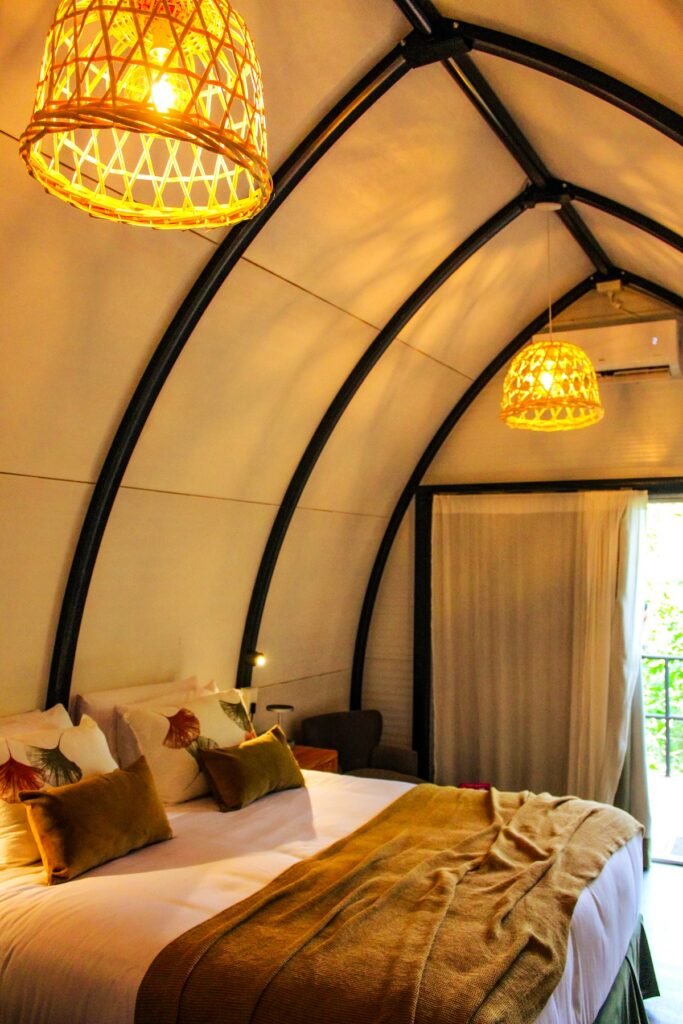
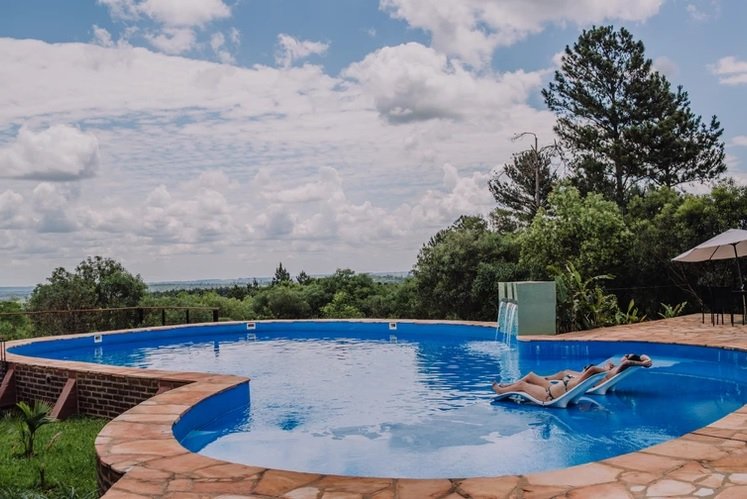
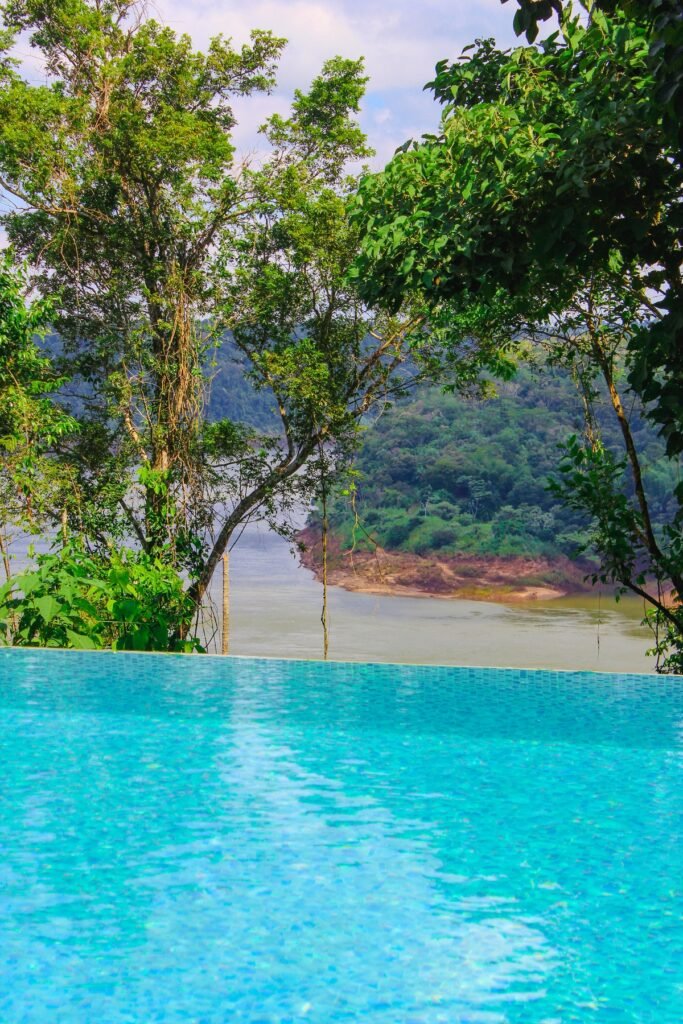
Woodland, woodland and more woodland. And in the centre, a sophisticated oasis to enjoy nature in full comfort in a glamping with, ten exclusive rooms and an infinity swimming pool that blends into the horizon with the Paraná River. At eight kilometers from the city of Puerto Iguazú and a few meters from the Paraná River, a new option for sustainable tourism arises in connection with the Iguazú Falls, the main attraction of Misiones.

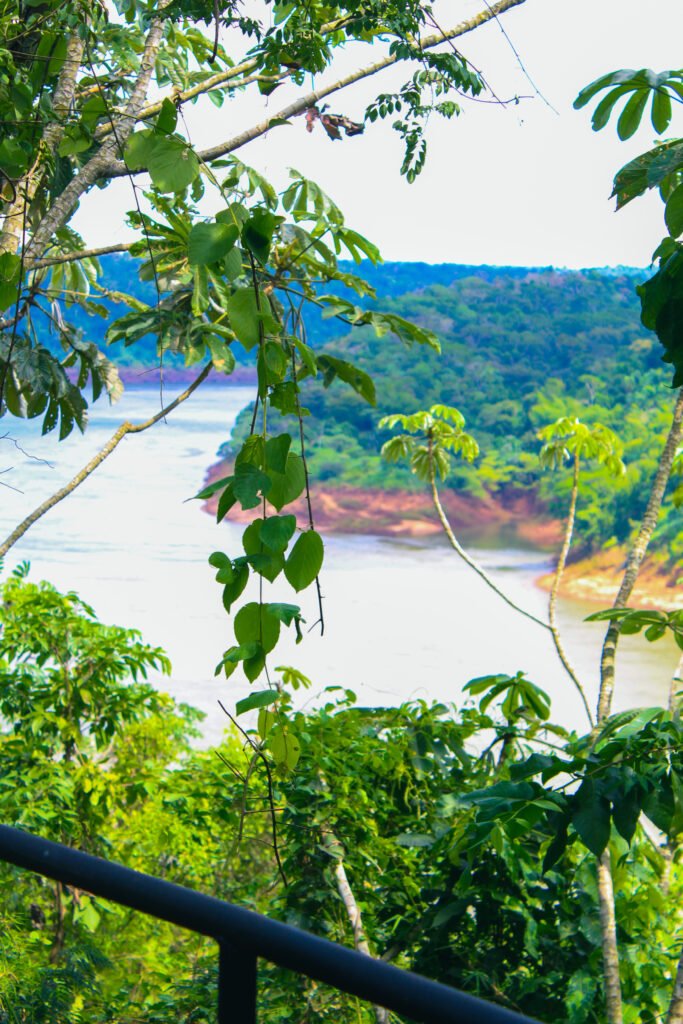
This is a different proposal, designed for those who enjoy contact with nature, listening to birds sing and the calmness of watching an ancient river that cuts the rainforest between Argentina and Paraguay in half. It also offers a new attraction point for those who visit the majestic Falls. The glamping is located on the banks of the Paraná River, a few meters from the border with Puerto Peninsula Provincial Park and in front of Iguazú National Park. Eighteen thousand hectares of rainforest surround the f 22 hectares of the new hotel, with its own hiking trails, zip lines and rappel activities for the most daring

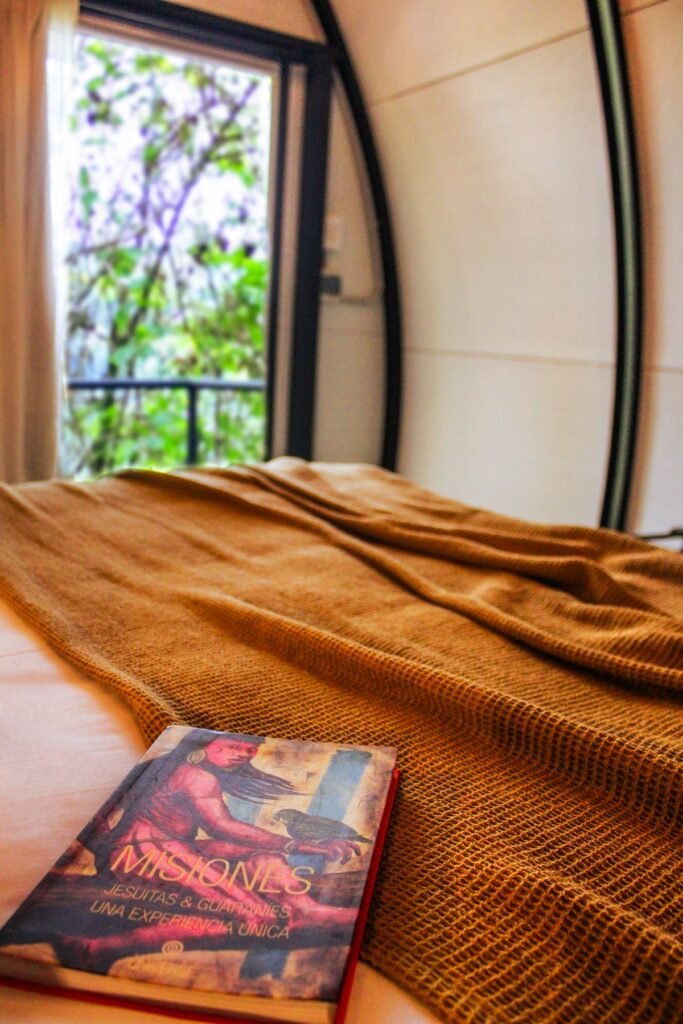
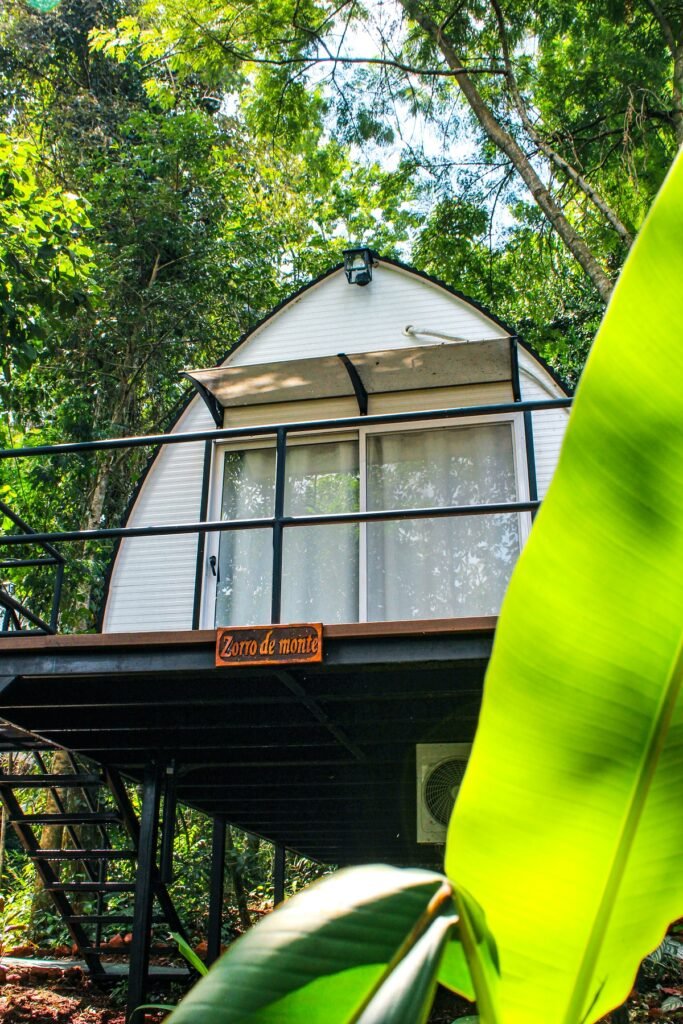
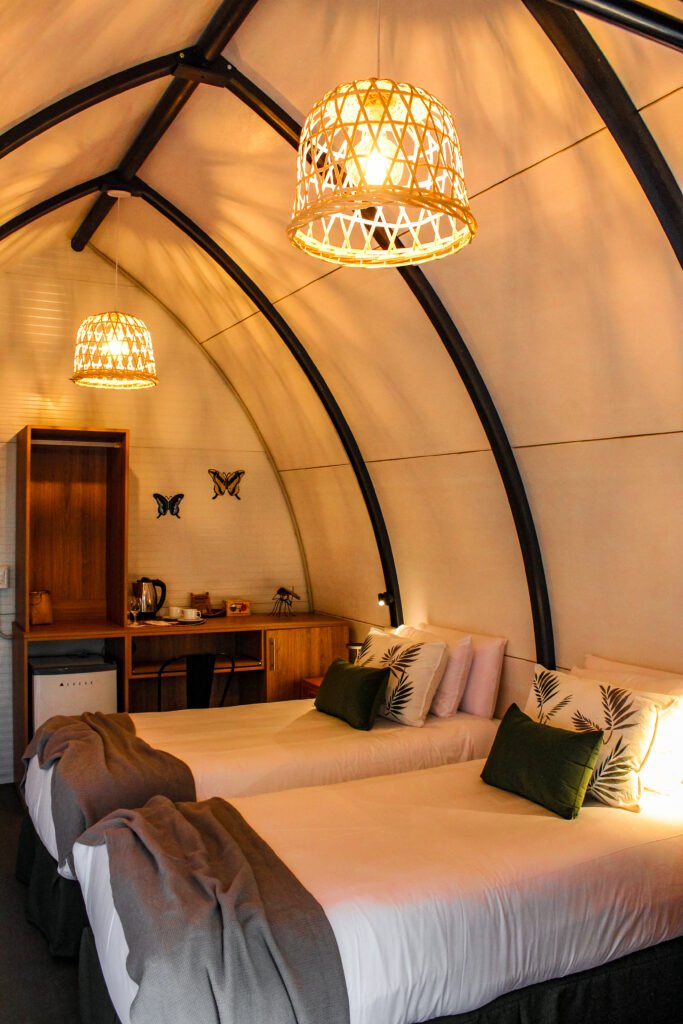
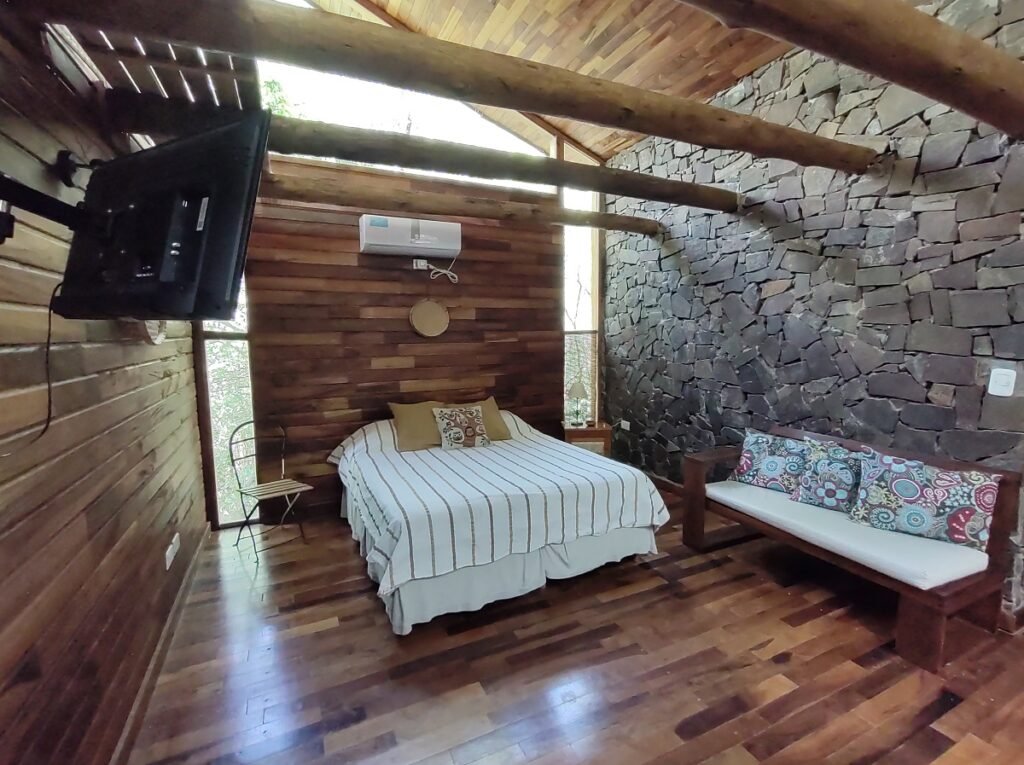
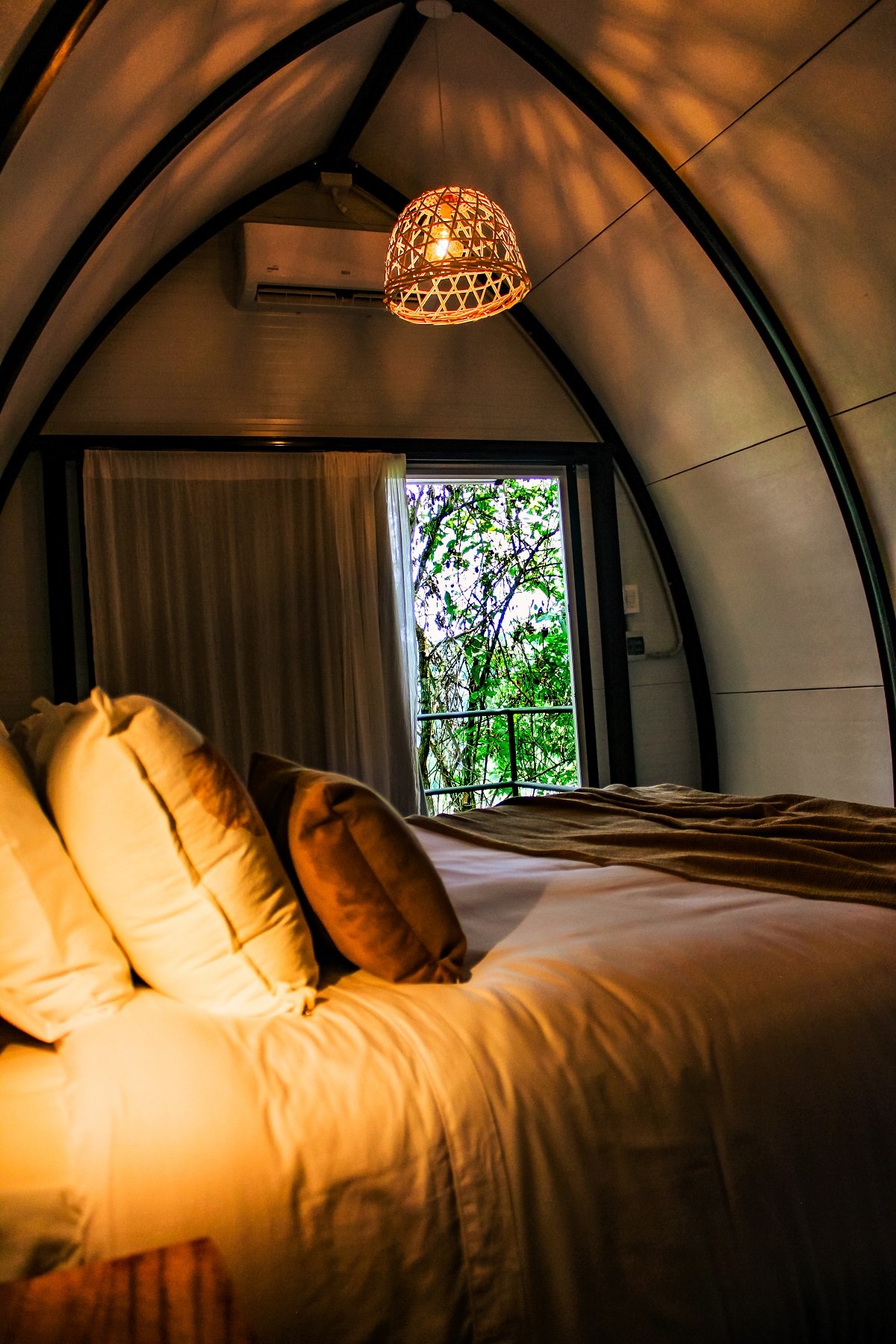
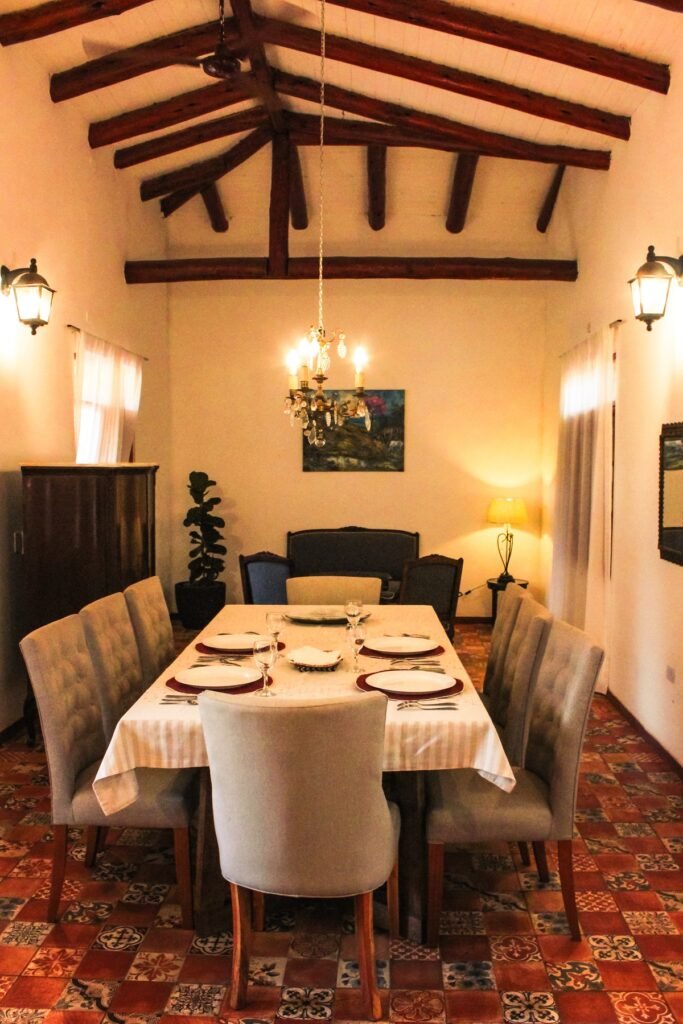
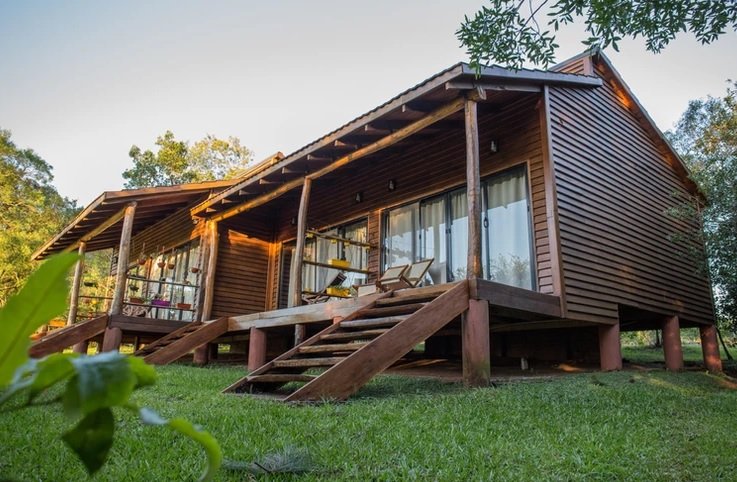
Each cabin accommodates two people with full comfort. Thanks to their polypropylene insulation, they resist heat and cold. A huge bed dominates the censer of the scene. When you open the door, the rainforest is right at your fingertips. It almost caresses the individual balcony reserved to enjoy the best sunset views.

Everything is designed to encourage disconnection from the daily hustle and bustle. The ten cabins are hidden along paths marked by animal footprints that roam the area. And they are identified with their names. Lighting is automated to preserve the darkness of the rainforest without getting lost in the green nooks and crannies.

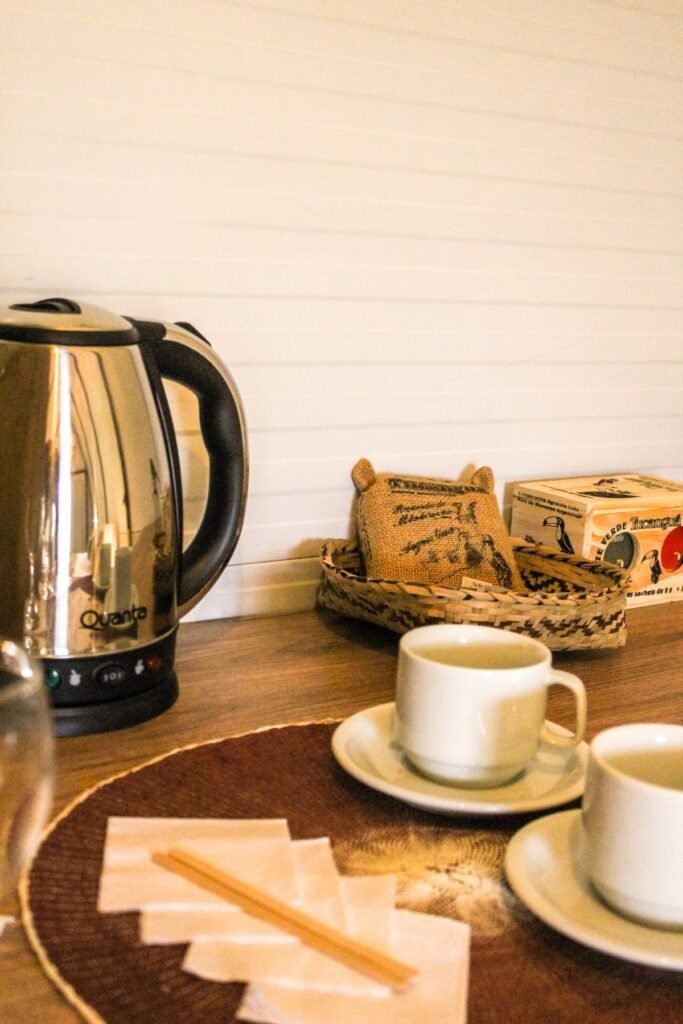
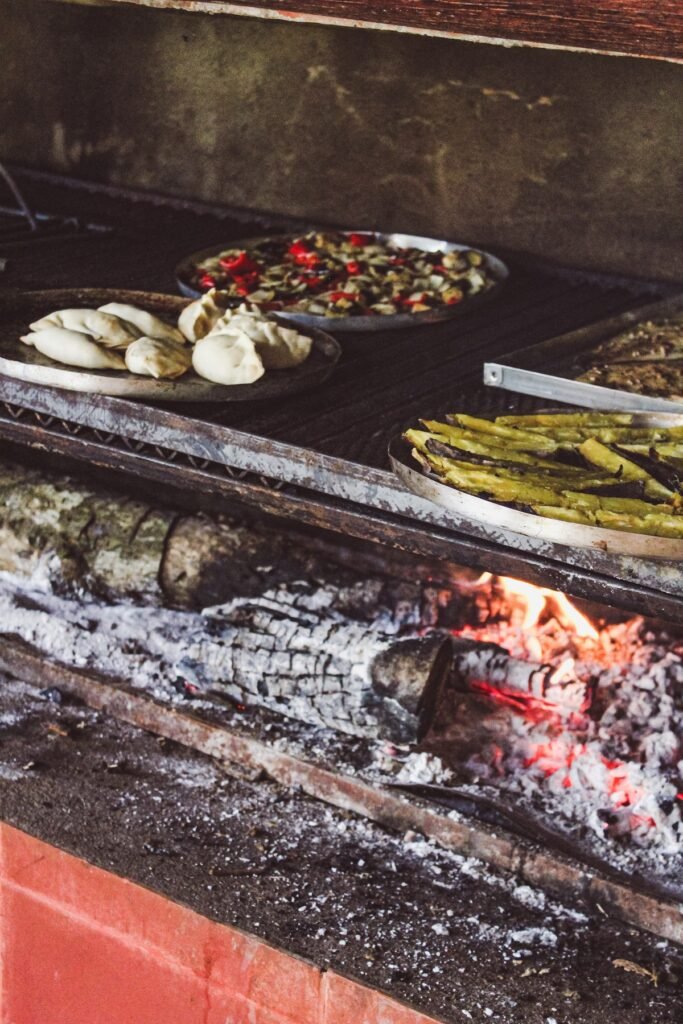
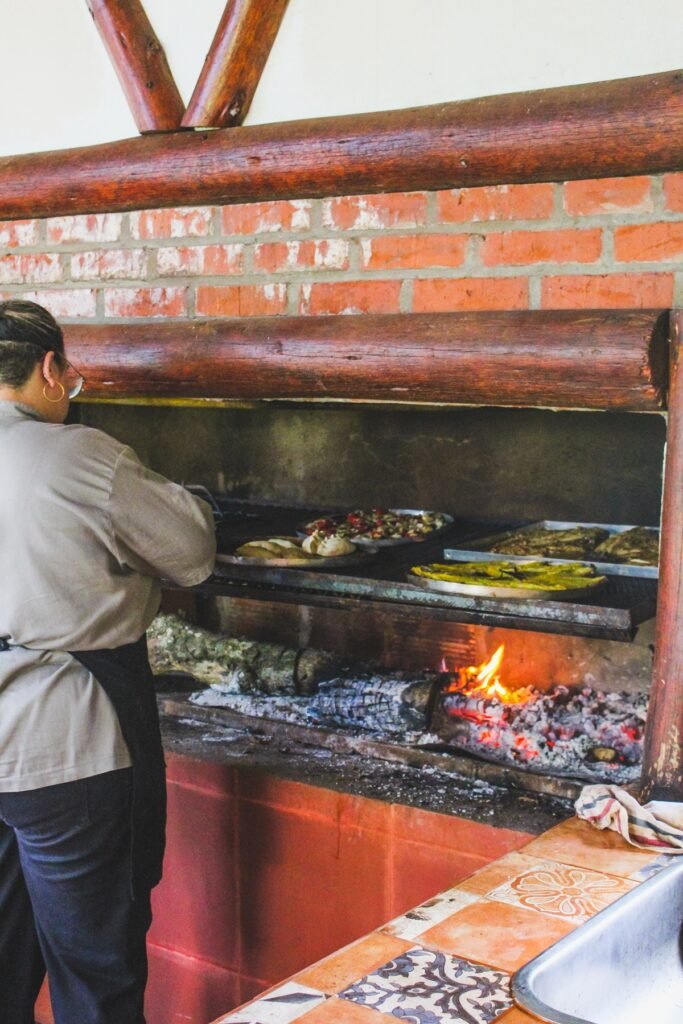
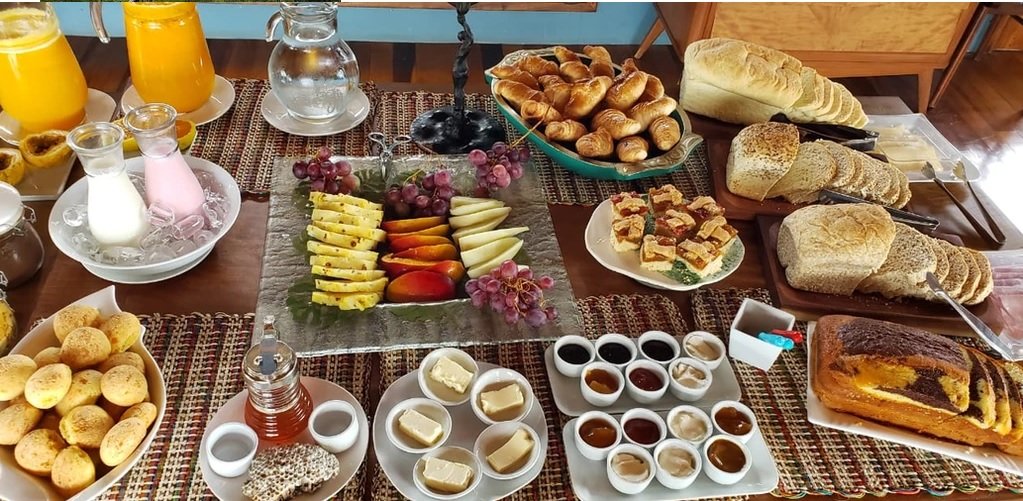
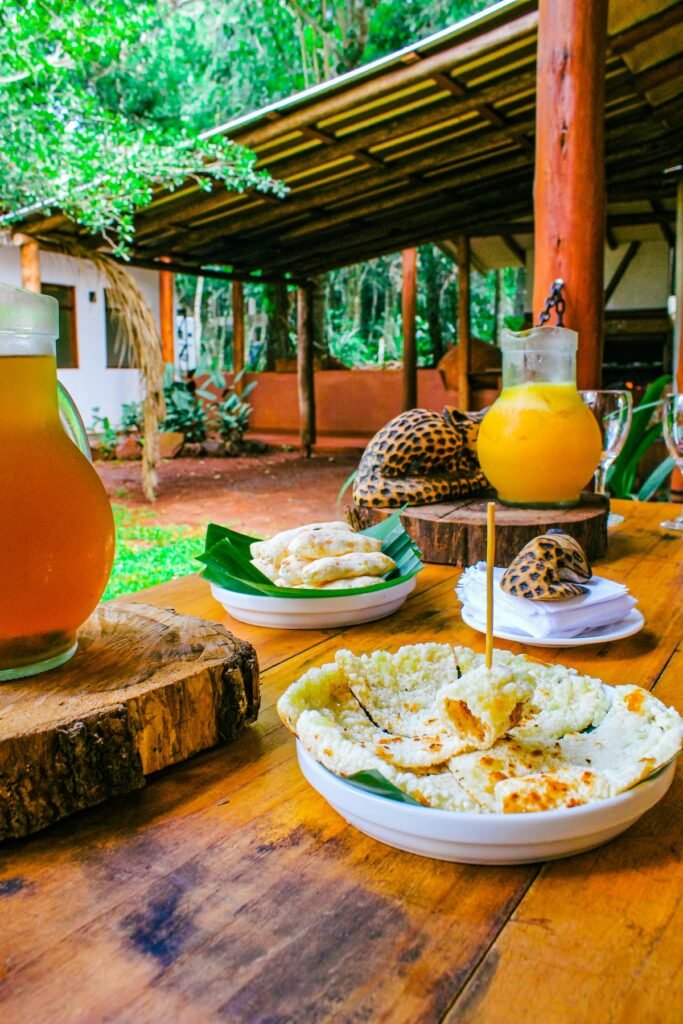
Gastronomy, another key point of the offer. The food is gourmet style, but with flavours that are very characteristic of Misiones’ cuisine. From the mbeju to river fish, empanadas of palmetto hearts and tortas fritas, all served with tea from Misiones or fruit juice. The local element is present in the food purchased from local producers or the Guaraní who sell their handicrafts in the area. 
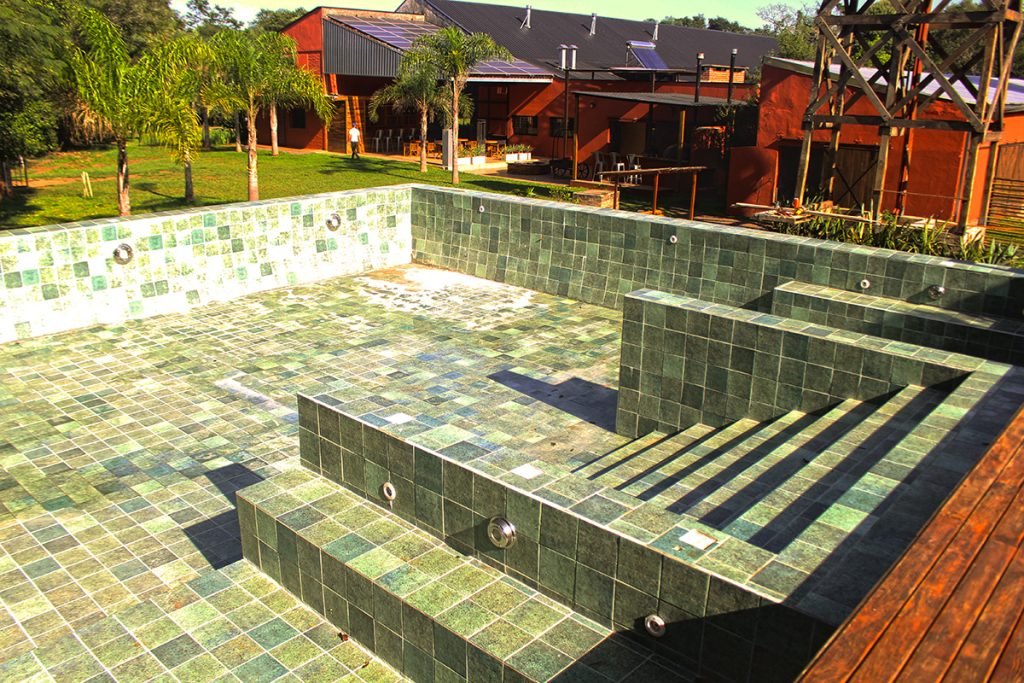
The sight to behold, thoughtfulness, wander without haste, are the distinctive characteristics of this new tourist offer. In addition to the swimming pool overlooking the Paraná River, there will be a deck to enjoy a snack or a drink with a unique view of the rainforest landscape. 

Glamping is a new way of tourism. And it arrived in Misiones to stay. In Puerto Iguazú, the pioneer is Patricia Durán. This tourism entrepreneur is characterized by innovation. Her first venture was the lodges, and then she innovated again with El Pueblito, a colonial-style hotel. Everything is connected with timing and the destination. The business group that she leads employs more than 300 people directly. More than 40 will work in the glamping resort alone. 
Glamping offers, beyond the experience of being in the middle of the Misiones’ rainforest, the possibility of wandering along streams, cascades and waterfalls. You can collect native fruits of the Misiones’ rainforest and also be part of the cuisine, a cooking experience with our chefs. In addition, something that we love, is bird watching, for those who are willing to get up a little earlier to see all the fauna and flora at dawn. And why not at night, those wonderful nights full of fireflies, contemplating the universe, and since there are no lights, absolutely nothing, and in total stillness, enjoy looking at the stars that enlighten us from the above. Campfires are also organized, as well as different types of meditation classes, with the aim to find yourself, your inner being, in particular”, Durán explains in an interview with Economis.
The businesswoman assures that the new proposal has a sense of sustainability and connection with nature. “I love things that are not yet available in the area, because to be the arrow tip in a destination, one has to start, despite the fact that sometimes there are fears. When we started with the lodge, there were no lodges, and our dream was that our destination would be sought after by foreigners, by Argentinians, due to our rainforest, and our local culture. Then we built the first theme hotel, which embodies the spirit of our people. Later, the botanical house, an experience house, a typical house from Misiones that welcomes all the tourists who come to visit it, exhibiting works of art by our great artists, some who passed away but left us a piece of their history”, she explains.

What was the reception of this proposal of rainforest glamping in Iguazú?

Glamping will soon be open for tourists. We really have a lot of inquiries, people ask when it will open and although we did not set a date, we believe that by the end of April it will be ready for all tourists who come to visit us. But the first ones we are going to invite are the people from Misiones, because thanks to them we began to work in the pandemic, they were the first tourists to believe in us and return to enjoy tourism in our destination.

And how is the activity now, we used to talk about recovery and now growth, what is the reality of the sector?

We can say that the activity has recovered. In January and February, we thought that we were delayed, but we are now having “last minute” tourists, that is, yesterday we had nothing and tomorrow we are full. What is happening with technology is incredible, that everyone out there may decide to travel, take a flight and has a reservation in no time. There is a large number of tourists that come from the operator, another thing is the tourist who likes to book by himself, but most of those who are arriving at our destination are last minute ones. 

Do you see any change in the tourist, in tourist consumption after the pandemic? 

I love your question, because we always talk about the water that falls, it is not the water that falls but the depth and breadth of the destination, behind it there is a rainforest, there are animals, there are lives. And everyone wants to get to know it. Tourists want to know where the food comes from, who brought it, who harvested it, who is cooking it, what it tastes like, what blend was made. Tourists became more curious than ever. And that fascinates us, because that is what tourism really means, when you meet another person from our destination and learn what you were unaware of. And what happened after the pandemic is something fantastic, much deeper, especially with regard to culture and nature.
We no longer talk about visiting a hotel, but about living an experience…

That is exactly what all tourists are looking for.

And is that what you have to bet on? Does Misiones have to go that way?

As we know, our entire province is beautiful, that seems to me to be our challenge: that all new ventures have to go that way. I do not conceive Misiones with a hotel with 500 rooms and all-inclusive. 

Durán does not stop investing. She has several projects in progress. One of them will soon open its doors, in about two months, as a new attraction for a city that is constantly on the move. It will be called El Mercadito de la Selva. “It’s a market that I really encourage everyone to visit when it’s ready. I was very inspired by markets worldwide, where you can get different local products in one place. For example, here in Misiones, we are going to have all the options available from our local producers so you can take whatever you want with you. When you arrive and try a typical regional meal you end up saying ‘I want to take this cheese with me, it seems so delicious, where does it come from? I want it. So, you can take fish, a jam or a handicraft.”

I love sustainability. I do not think about results, I think about my dream, which is what leads me to do these things and those who dream make their purpose in life that can be replicated in society, and tourism, with the multiplier effect that it always has, will do very well. Our company is 35 years old, and we are really a work team where we are all enthusiastic about what we do”, stated Durán.

 .-.-.-.-.-.-.-.-.-.-.-.-.-.-.-.-.-.-.-.-.-.-.-.-.

T.N.: Mbeju is a starch cake sometimes made with fariña or cassava flour typical of Paraguay.

 T.N.: Empanadas are a Spanish or Latin-American pastry turnover filled with savory ingredients that are either baked or fried.

T.N.: A torta frita is a crispy round fried dough, sometimes tossed in sugar, and served with mate for an afternoon snack.

…………………………………………………

Traductor: Daira Dos Santos

Revisor: Norma Andrada

Tecnicatura Universitaria en Traducción e Interpretación en Inglés

UCAMI – Universidad Católica de las Misiones
Compartí esta noticia !

Al Kamar, where the Moon is within reach

Compartí esta noticia !

Al Kamar “is a life philosophy”, Graciela reflects as she walks through a wooded trail where new specimens of meter, meter and a half appear; trees of different native species. This native forest is profiled as an ecological edge that bridges with the superb “Campo San Juan”, the radiant reserve managed by Misiones and the National Government.

Graciela Turrella de Ruiz is the owner of Al Kamar, a lodge that sits just in the transition between the thicket and the last grasslands of south Misiones. To the left, in the distance and across the route, stands majestic the Cross of Santa Ana, on whose slopes the rewilding project is carried out by several landowners, with the support of young professionals of the area.

Al Kamar is settled on top of a hill, on a 25 hectares property where wild fruit trees abound. Lots of shade, fluttering birds and an endless view of shades of green.

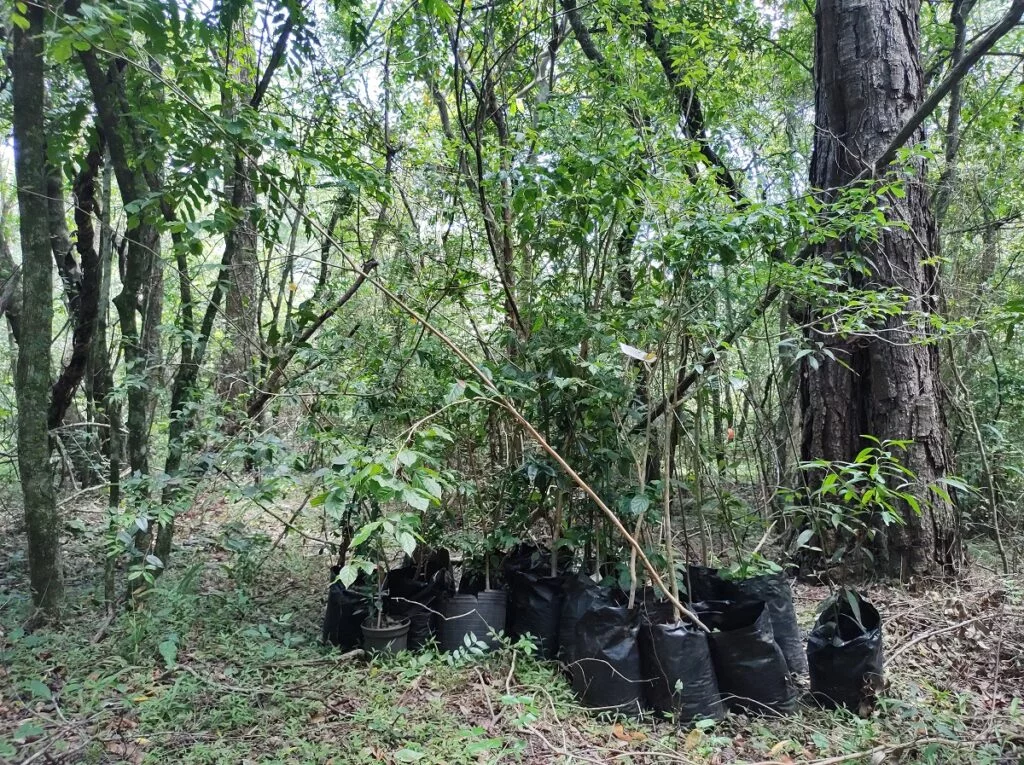
Graciela is 66 years old but has an enviable vitality. In the noon heat of Misiones, she takes her time to show the new specimens that were planted by the thicket’s reconstruction team. In the slowly recovering forest, there are several more sapling waiting for their place on the soil. Yellow guatambú, papayas, guabiroba and urunday emerge in the mixture of forest and grasslands.

“We want it to be a reserve that connects the hill with the countryside, an ecological support for Campo San Juan”, explains Graciela to Economis. In the farmland, ten hectares were used for the recovery of the thicket. In the area there must be more than one hundred, counting neighboring producers.

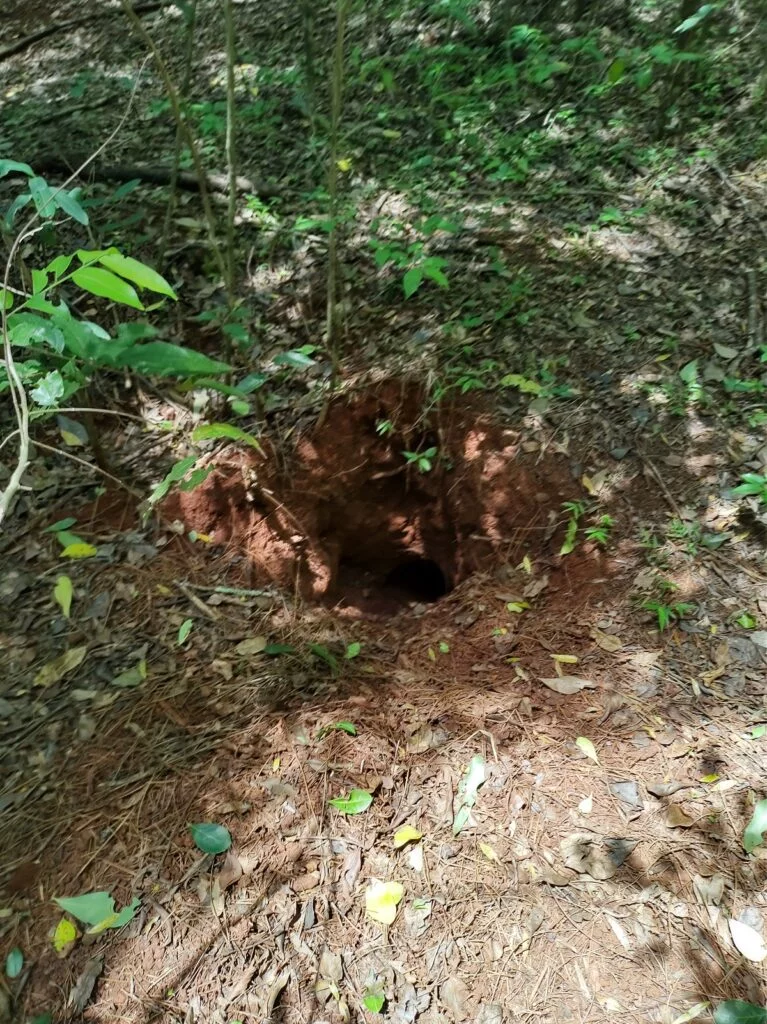
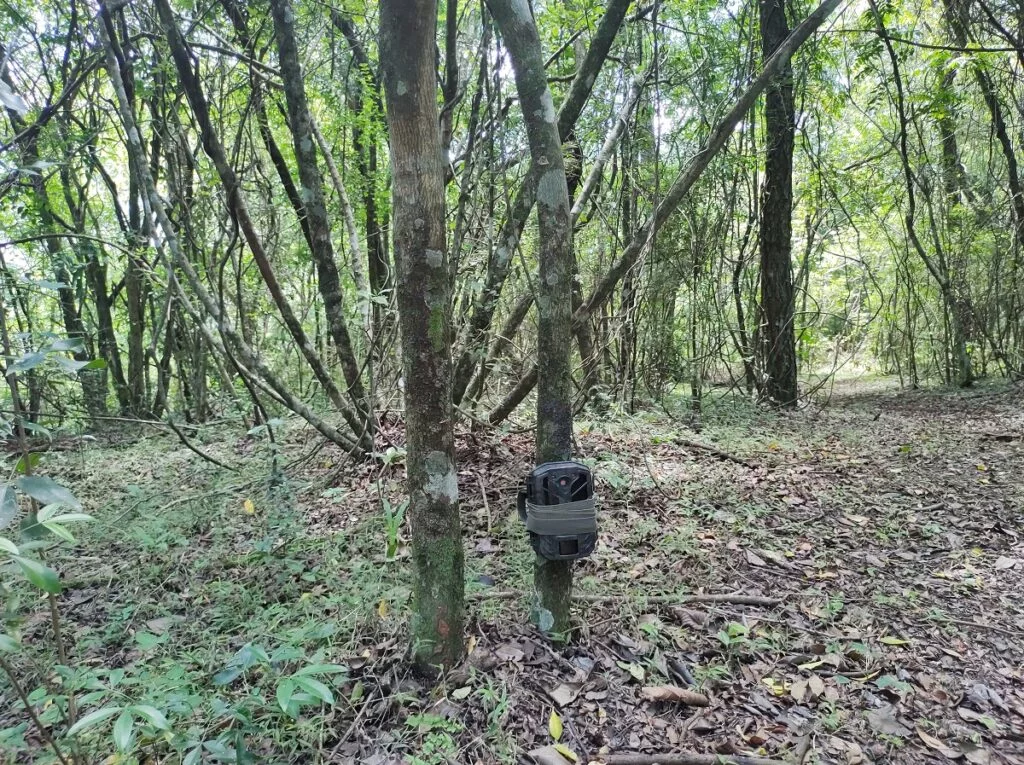
In the calm of this place, she tells, animals begin to appear knowing that they are in safe territory: tatous that were believed to be gone, wild turkeys, birds, moorhens and foxes abound. Hidden cameras promise to reveal more surprises. In Campo San Juan, a few kilometers away, the ecosystem amazed with its diversity.

Born in San Martín, Chaco province, Graciela was always in contact with nature and when she came to Misiones she decided to invest in something that would allow her to “host people”. That is how Al Kamar was born as a concept, which was transformed into an exclusive lodge with three spacious cabins designed with comfort and modernity in mind, without breaking the harmony of the landscape. The lodging is completed with four more rooms in the four-star category.

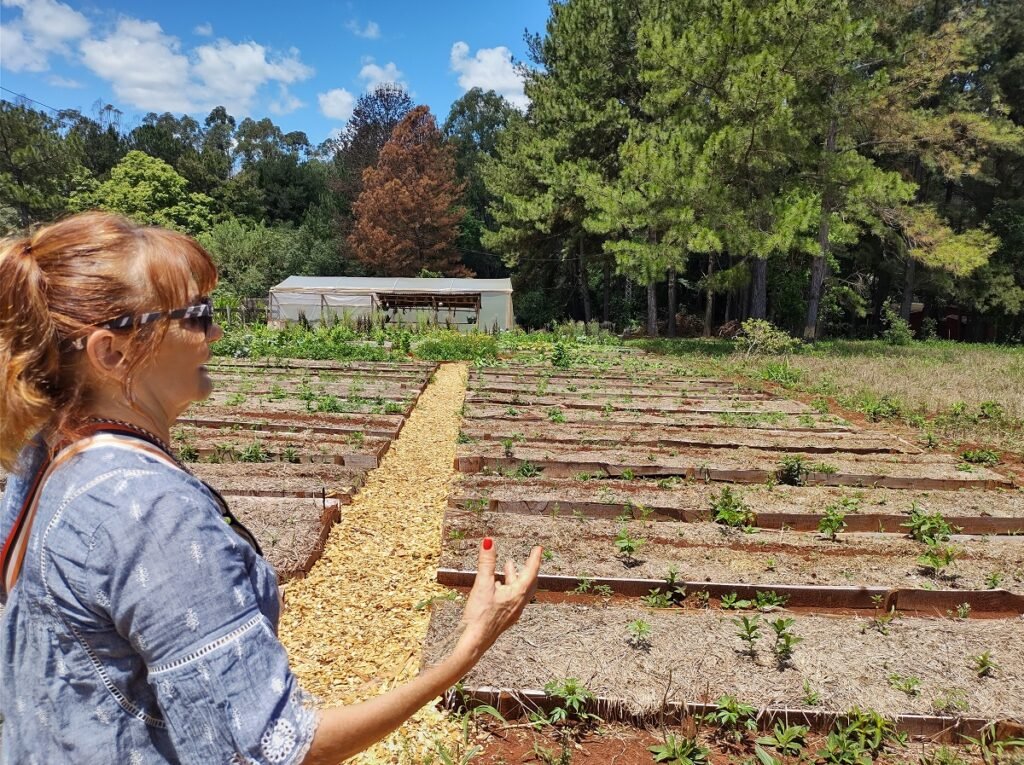
The venture is managed by Graciela and the youngest of her six children. It has a restaurant open to the public, with a first-rate gastronomic proposal and vegetables harvested in the organic garden, a few meters from the entrance, where lettuce, tomatoes, cucumbers and other vegetables are harvested.

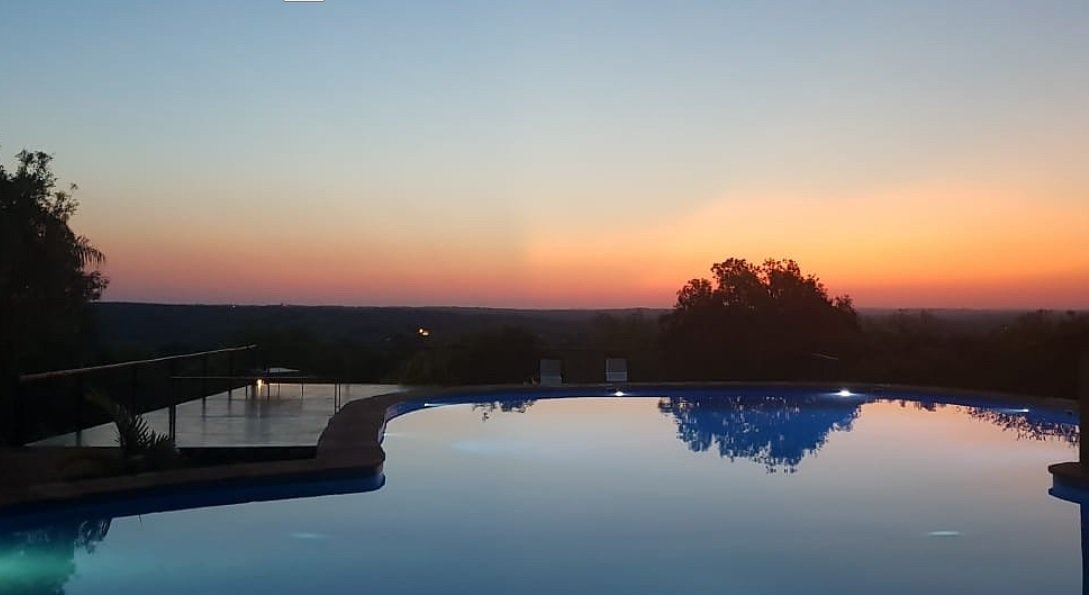
There is also a small convention room and two swimming pools, one with an unmatched view of the sunset, ideal for those in love with tranquility and nature. Before sunset, the spa, enveloped in a forest silence, is ideal to relax the tensions of the city.

At night the show is unique. The sky seems close at hand and there are hammocks and armchairs strategically distributed for the visual spectacle. Al Kamar means full moon in arabic. From the hill as a balcony, it seems within reach. You don’t need electric light to walk the trails that surround the facilities. “It took us more than seven years to build, we thought about it a lot, we observed the places, we loved this spot, the nature that surrounds it and that the horizon is the limit of the view,” says Graciela, who 34 years ago, together with her husband, chose Misiones as their place to live.

The lodge, born of her imagination, imposes itself today as a stimulating option for the south of Misiones. “Those who visit us feel that there is a good energy in this place. Guests come from everywhere, several from Posadas, but also from other provinces and abroad, before the pandemic”, she explains. The health crisis, like everywhere else, paralyzed the activity but, as soon as the first restrictions were lifted, demand grew again. The pure air, surrounded by nature, promises a nature-filled escapade.

Compartí esta noticia !

The Forest Experience

Compartí esta noticia !

Fire pierces night’s veil, barely lit by light from stars that can be appreciated in ways the city never could. The forest is pitch black as soon as sundown. Delving in it and in the night is an adventure, but the resourceful guides string along and provide safety to the tourist that’s eager for the experience. Ticueí (chopped meat stew) is cooked oldstyle at the bonfire, using just the meat’s fat. Next to it, a generous reviro (shattered fried dough made with wheat or corn flour) awaits, sprayed with a mate cocido made as the Guaraní did: burning the sugar and the yerba with a firebrand, which mutates into an intense sweet aroma that mixes in with the aromas of Misiones’ hills.

The forest is an exclusive protagonist that surrounds everything. The nearest populated place is 60 Km away. To the left, the Yaboty creek softly profiles its natural reserve namesake. To the right, State Park Moconá can be heard in the distance amidst the silence of Virgin Lodge’s night, one of the few establishments inside of Misiones’ green lung, one that offers elegant comfort for the most demanding tourist, as long as they are willing to live the Forest Experience.

That’s what it’s about. About the tourist being able to take in Misiones’ forest like in no other place. Being inside the reserve, a few kilometers from the Moconá Falls, you will be in the middle of an immense green cloak of half a million hectares to which we can add the 17.500 hectares of state park Do Turvo on the other side of the Uruguay river, the last slice of Atlantic shrubs of the Rio Grande do Sul state. All of this is yaguareté territory that often times gifts a print to photographers, but usually lets itself be heard by night when it goes out in search for a meal that, as the forest, is plentiful: venison, tapirs, wild hogs and dorados in the Uruguay.

The Virgin Lodge has fourteen rooms in the middle of the forest, all of which overlook Yaboty creek. It’s four hours away from Posadas, on the coastal route 2 that reaches up to the feet of Moconá Falls, and it’s 350 paved Km away from Misiones’ two main airports. It’s also 60 km from El Soberbio and even less from San Pedro.

Amongst the lodge’s proposals you can find zip lining just 50 meters over Black Sheep creek, kayaking on Yaboty -a recommended experience to someone that seeks to take in nature’s sounds-, tubing in the stream -riding on donut shaped tubes- and abseiling in Salto Horacio.

Juan Manuel Zorraquin, Virgin Lodge’s CEO -also owner of Posadas Bemberg Port, in Port Freedom- understands that the forest experience is “an opportunity to take advantage of something that contains all of Misiones’ touristic development”.

“Jesuit Missions, Moconá Falls, Iguazú Falls, it’s all within the natural wonder. Highlighting the forest can have a very interesting potential for the (touristic) activity and a different marketing strategy”, explains the specialist.

Zorraquin considered that Misiones has to develop routes that “spill” locally to several main towns in the state and in doing so one has to be able to appreciate different sceneries or natural milestones. “That is what touristic development and presence is”, he suggests.

“Reactivating the forest touristic route can be a good strategy, but there has to be content. It’s not just the forest, but an opportunity for a circuitry that spans the entire state. It’s about connecting through the routes the different impressive landscapes. Choosing the forest as one of Argentina’s seven natural wonders implies a new scenery that we have to know how to use”.

The touristic businessman recommends visiting the hotels and lodges of the area that proffer living the forest experience. Particularly at the Virgin Lodge the “Moconá Experience” has to do with feeling the forest, with services aimed at different activities and tourist types.

“Every activity generates jobs; we see it as fundamental for local development. At the lodge we hire and train local labor”, he points in reference to the fourteen young workers that serve at the lodge.

For the State, taking advantage of the forest as a natural wonder is a new challenge, that’s why it will start to be part of advertising as trademark, next to the (Iguazú) Falls. “Tourism is going through a stage of experiences, of sensoriality, of taking in the deep silence of the forest. And Misiones stands on a grid of enormous relevance. The forest stops being a natural resource to transform into the face of an offer, as a touristic attraction in itself”, explains the undersecretary of ecotourism, Fabio Zapelli.

“Iguazú Falls are part of the forest. The forest environment has world relevance and now it’s our queen, being promoted through its biodiversity, through its sheer number of species, flora and fauna, it’s a lifegiver and source of oxygen. It’s an ideal place to cultivate oneself spiritually, to live outside of everyday life”, adds the government worker.

Zapelli ups the ante and ascertains that in order to take full advantage of the forest as one of Argentina’s seven natural wonders, Misiones has to keep creating protected areas. “We can join Moconá Park with Emerald Park -a nearby reservoir that consists of 31.569 hectares, also in San Pedro- and stablish a co-management, either through speaking with the land owners or through expropriation. But generating a great biological corridor is necessary”, he insists.

The woods are, by the way, very rich inside of this green redoubt that on the whole is bigger than Iguazú National Park. The yaguaretés know every inch of the forest, same as the guaraní people who live in it as they did 500 years ago. The flamboyant toucan flies fast amongst the trees, seldom letting itself be seen as a colorful example of the almost intact biodiversity.

PH: Daniel Pérez, El Soberbio.

Compartí esta noticia !

Momora, Glamping, Rainforest, and a Historical Rescue in Santa Ana

Compartí esta noticia !

When Cruz de Santa Ana Theme Park was inaugurated in 2011, the goal was to attract tourism where there was none. The spiritual monument became a magnet that started changing Santa Ana’s reality, which until then was a small village off National Route 12 where most people rushed past between Posadas and Puerto Iguazú. Nobody would stay there for long, just enough to stop and grab a bite of chipa, a trademark snack from the city’s entrepreneurs. Just over a decade later, the reality of the area has changed. Only a few minutes away from the provincial capital, dozens of hotels and lodges now welcome visitors looking for tranquility and relaxation. The “Cross” is no longer alone.

The Paraná River coastline was taken advantage of by a network of beaches that brought life to the area. For nature lovers, the Campo San Juan Federal Park, a five-thousand-hectare reserve, is to be open soon. The area is perfect to invest in. The place is ideal for tourism too. And now it will boast a new tourist attraction with a million-dollar investment that will change the whole concept of the southern zone: Momora Distrito Selva, a hotel which is having its grand opening next weekend, first as a restaurant and then providing accommodation surrounded by the rainforest. Located a few kilometres away from National Route 12, the hotel is close to the Paraná River and at only two kilometres from the historic town of Santa Ana. It is an area of 60 hectares covered by rainforest on the bank of the Paraná River.

Guillermo Liruzi and Anabel Serdiuk are in charge of Momora Distrito Selva, a tourist destination that seeks to provide visitors a five-star experience, where they can connect with nature and themselves.

“Momora” (or Momorá, as pronounced in Guaraní) stands for “admiration” and/or “respect.” This was Guillermo and Anabel’s motto when they decided on venturing into the start-up long before knowing that such a word even existed, as they explained Economis during an exclusive visit.

With a life story marked by a number of circumstances and coincidences that led them to Misiones, both feel that they were meant to lead such an ambitious project, difficult to categorize within the conventional types of the tourism industry.

To understand the idea these entrepreneurs seek to convey, we have to go back in time to the year 2013. Back then, Guillermo was still working as an economic consultant for a multinational in Brazil. Both Guillermo and Anabel, who is from Oberá, decided to invest in a tourism start-up even though they didn’t really know what the location would be at the time. After ruling out provinces such as San Luis and Mendoza, they decided on some plots of land on the banks of Santa Ana stream, covering about ten hectares with 500 meters of coastline.

After making the decision, convinced that it was what they were looking for, the land seller mentioned that the owner of some neighboring plots of land wanted them to take a look at their property. “We were already satisfied with the ten hectares, but we agreed to check out the other offer out of respect for the man who was driving all the way from Posadas to meet us,” recalled Guillermo, and it was one of the many right decisions they made.

Within the land offered there was an abandoned old tannery that had operated during the late 70s and early 80s. Upon visiting the old building surrounded by rainforest and wilderness, they decided to purchase that property too and rethink their original plans.

According to Guillermo, the following months and years were all about planning, thinking, and analyzing what was most convenient. Of course, during this process, they had their ups and downs on their way to creating the mini tourist paradise they can offer today. “We couldn’t decide whether to proceed with the initial plan of cabins on the coast, or to use the structure of the old factory to our advantage and have it remodeled into something new. We spent months, almost a year, just debating where to get started.” Spoiler alert: the housing project on the coastline is still in the planning folder.

After years of investment, planning, and replanning, Momora’s restaurant will be open to the public on Saturday, July 30th. Based on the slow food concept, guests will be offered a three-course menu, which includes an appetizer, a main dish, a dessert, and pairings from a wide variety of wines. In addition to the cuisine, Guillermo and Anabel offer an experience consistent with the concept they have developed.

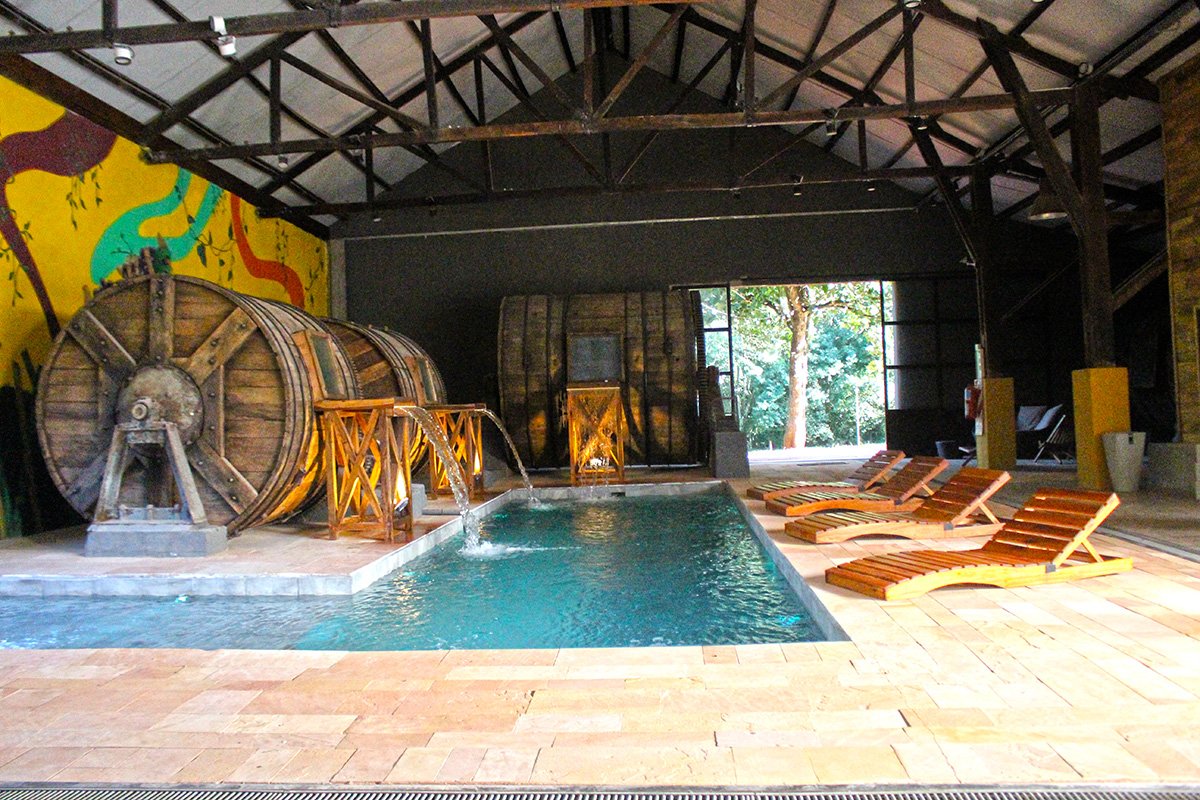
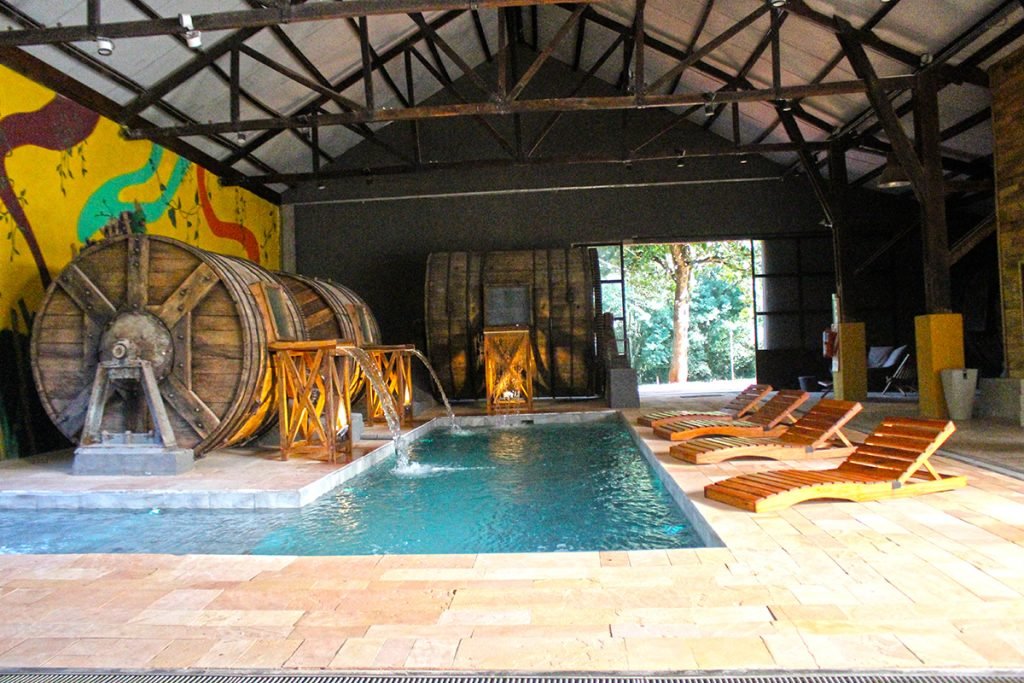
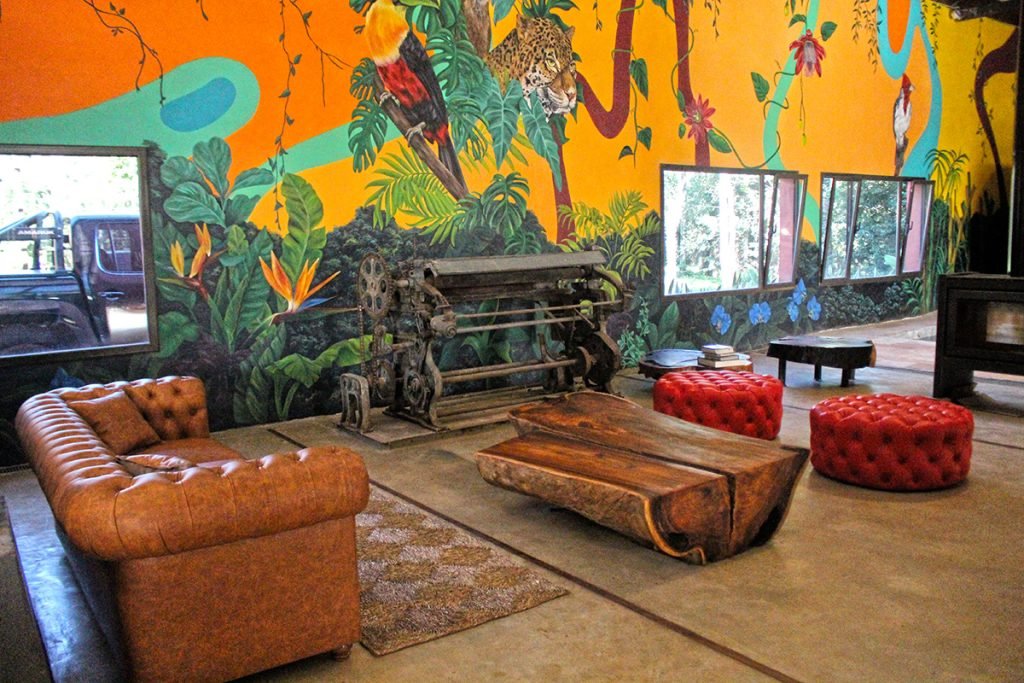
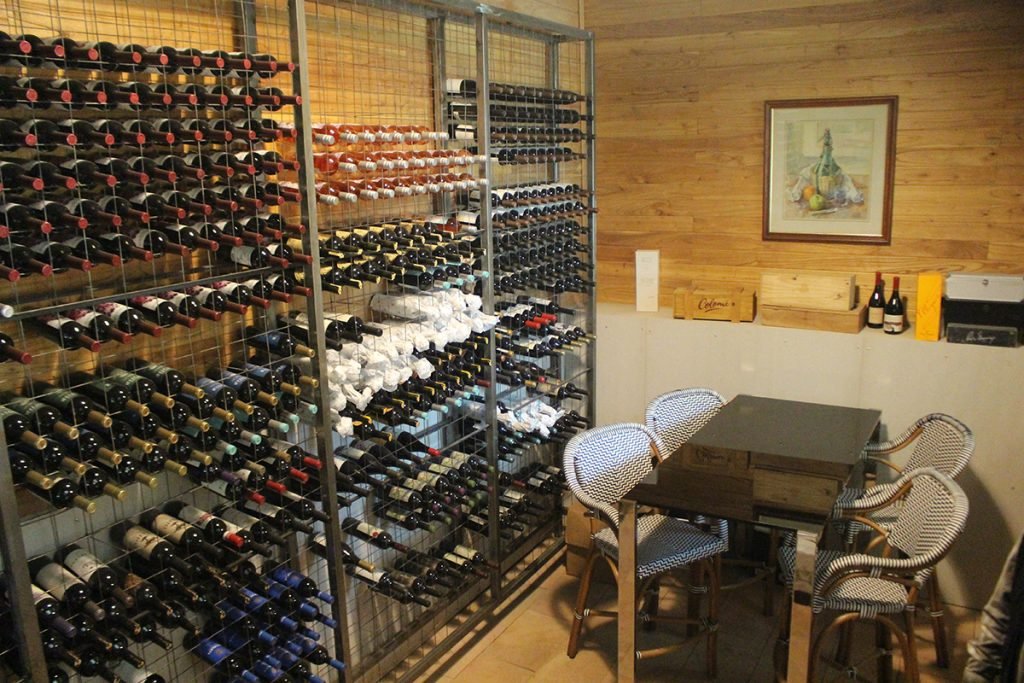
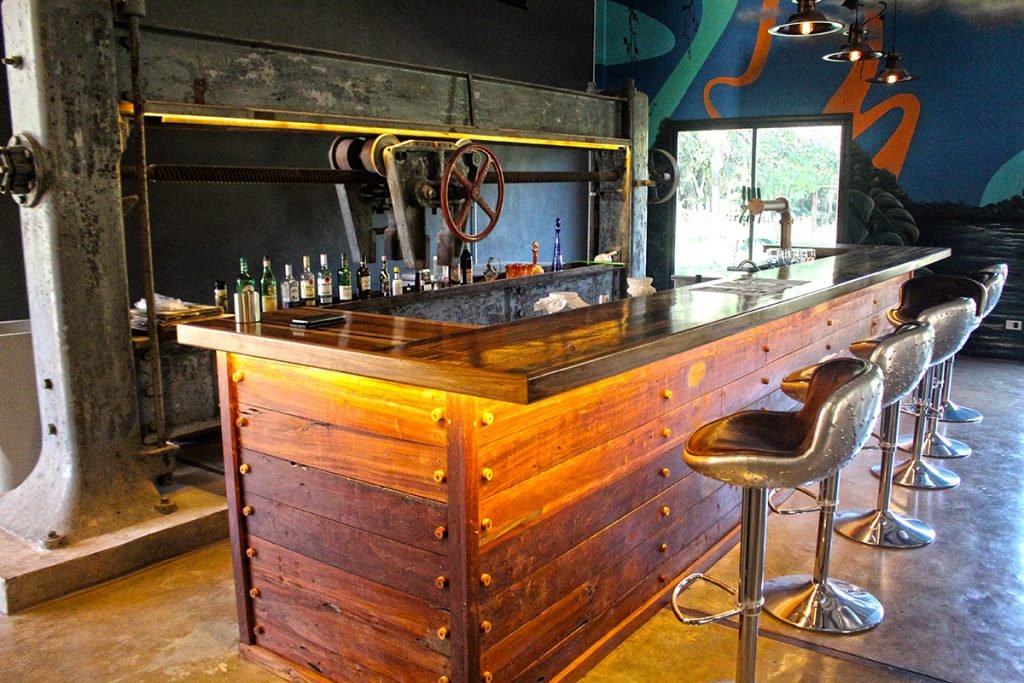
The main area of the old tannery is currently the main hall where there are two sections of tables and chairs, a large bar, a reception area, a cellar with 1,500 bottles, and one of the two heated swimming pools, to be open in the upcoming months. The grand hall boasts a minimalist yet elegant decor, since the old machinery from the place has been upcycled into functional furniture and decorative artifacts. Along the hall lies a majestic mural which celebrates this genuine feeling of respect and admiration for nature through fine brush strokes depicting the rainforest, the waterfalls as well as Misiones’s wildlife. 

The first thing you hear when entering the premises is the numerous artificial cascades harmonizing the ambiance and anticipating the energy emanating from the place. Surrounded by lush native vegetation, each element has been carefully selected to maintain the natural and sustainable imprint of the site. This concept has been reinforced by the power supply system, featuring a transfer switch to select the energy source from grid to solar, powered by two sets of panels installed in the property.

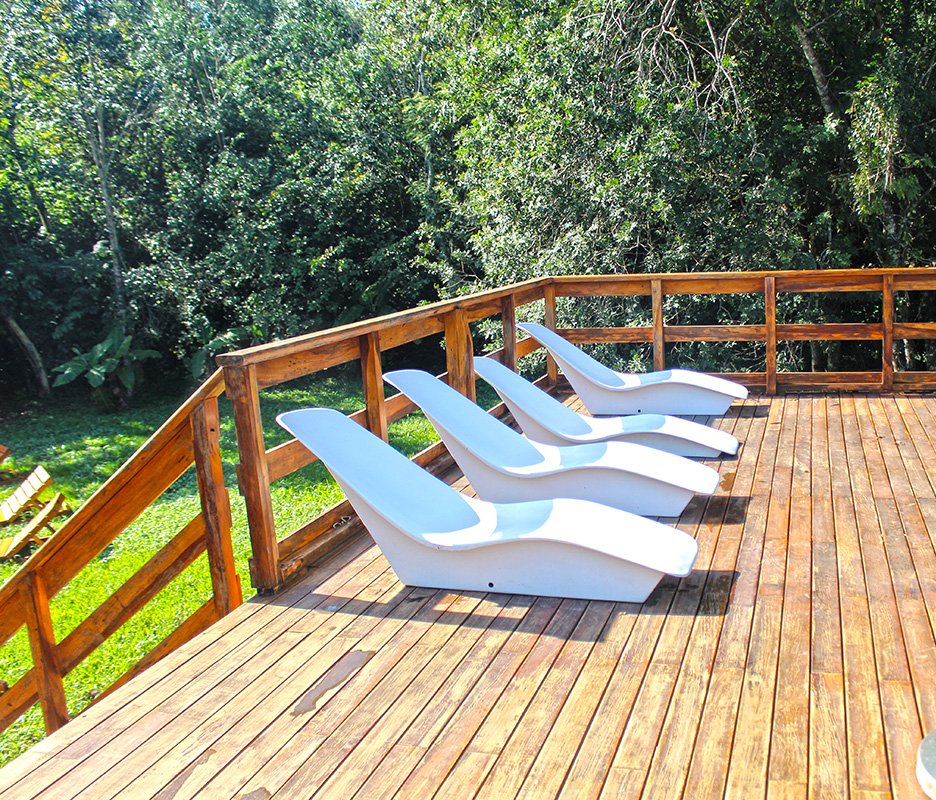
The premise of relaxation is confirmed in every corner of the property, as there are loungers arranged around both indoor and outdoor swimming pools. Some lounge chairs can also be found in different areas, such as near the fire pit made from an old iron trough from the factory that has been refurbished and repurposed for this new function.

As regards gastronomy and drinks, Lucas Gómez from the province of La Pampa, an old friend of Anabel’s, works as a consultant there. He had no qualms about leaving his previous job to be part of this venture, even though the kitchen was still a year away from being operational. This area has an open concept for diners to see the whole cooking process and, when the time comes, they can interact with the chefs as well.

Parallel to the lunch service offered with reservation and limited capacity, the construction of Momora is in progress. Their goal is to gradually expand the services offered on-site while advancing with the construction of the accommodation. “We will see how this first gastronomic test works, but we intend to increase the diner capacity, offer dinner service, and, when the swimming pools are operational, we will offer the full-day experience,” explained Guillermo.

Momora is an experience to be lived, a place where the positive energy emitted is aligned with the kindness of its owners and staff, who do not feel like employees but rather as members of a big family. “Apart from the good customer service we wish to provide, what we want is for people to actually note the kindness with which they are treated here,” Guillermo stated. In terms of job creation, in this early stage, there are 5 workers in charge of service and kitchen tasks, and around 20 contractors in charge of the construction project. Guillermo explains that the goal is to double the staff once the construction project has been completed.

“I have worked as an economic consultant for large companies for several years. I have lived in Córdoba, the United States and Brazil, and with Momora, I did something that I have never advised any client to do, which is to fall in love with the project,” he explained. In reference to Anabel and himself, Guillermo also pointed out that “this is our first child, that’s how we feel about it, and next weekend we will see it smile in society for the first time.”

Dome Housing 

The original plan was to build lodgings, an idea that evolved over the years but was never lost. For this reason, the project for dome-shaped rooms is currently in progress. Once completed, these rooms will be the first accommodation available in Momora and are expected to be operational by the end of the year. The glamping site will provide lodging for 8 to 12 guests with all the comfort and services offered, ranging from gastronomy to high-speed internet access to an outdoor jacuzzi for each cabin.

This proposal will feature state-of-the-art technology designed to mitigate the environmental impact, so that the nature experience does not compromise the environmental preservation thanks to the materials used. The accommodation fee has not been determined yet, so those interested will have to wait until about December to learn about the fee and reservation system.

Industrial past, modern present, sustainable future. Momora is the new tourist gem in Santa Ana. 

Traductor: Agustina Cusolito

Revisor: Luciana Sisterna

Tecnicatura Universitaria en Traducción e Interpretación en Inglés

UCAMI – Universidad Católica de las Misiones
Compartí esta noticia !

Categorías
Solverwp- WordPress Theme and Plugin