Manaslu Trek Nepal: Complete Guide to the 12-Day Manaslu Circuit Trek Itinerary
|
Getting your Trinity Audio player ready...
|
Most people who want a quieter Himalayan trail hit the same wall once they start counting days, metres and road hours. That’s exactly where Manaslu Trek Nepal gets interesting, and a little tricky. The route loops around Mount Manaslu, the eighth-highest mountain in the world, passing river gorges, Buddhist villages and some properly cold, high country. It’s rewarding, but it isn’t a casual walk. A 12-day schedule is tight, and tight schedules leave little room for bad weather or a slow body. Below you’ll find a day-by-day plan, plus straight talk on difficulty, permits, costs and safety, so you can judge whether it suits your time and your legs.
What Is the Manaslu Circuit Trek?
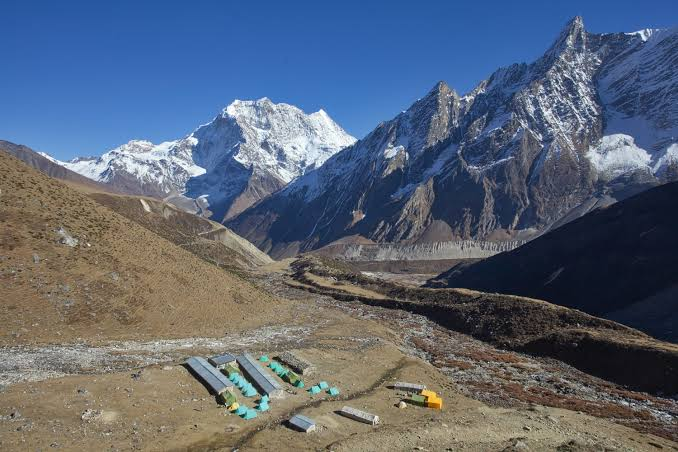
Think of it as the thinking person’s alternative to Nepal’s busiest trails. Mount Manaslu stands at 8,163 metres, and the circuit winds around it through villages that still feel lived-in rather than built for visitors. Most itineraries pick up the trail around the Machha Khola to Dharapani corridor, although the exact start and finish depend on road conditions.
Along the way you’ll pass through Jagat, Namrung, Samagaun and Samdo. Tibetan-influenced Buddhist culture is everywhere: mani walls, small monasteries, prayer flags snapping in the wind. The high point is Larkya La Pass, roughly 5,106 metres, and it’s the moment the whole trek builds toward.
Manaslu Circuit Trek Itinerary – 12 Days
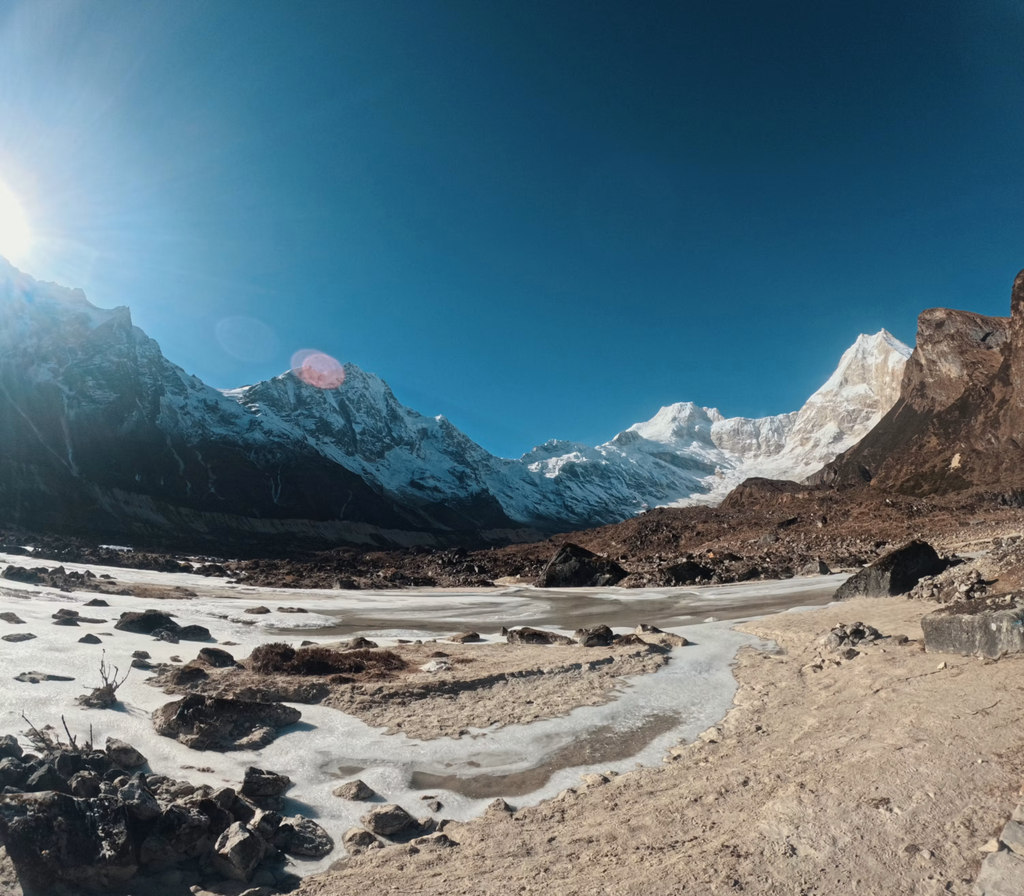
The Manaslu circuit trek Itinerary -12 Days below is a demanding, condensed plan. Walking times and overnight stops can shift with road access, weather, acclimatization and your own fitness, so treat it as a framework and not a promise.
Day 1 – Drive from Kathmandu to Machha Khola
It’s a long, bumpy road day, and the scenery changes fast from city sprawl to terraced hills and deep valleys. Leave early. Arriving after dark on a mountain road isn’t fun for anyone.
Day 2 – Machha Khola to Jagat
This is your first real walking day. Expect river trails, a few swaying suspension bridges and forested slopes. It’s not extreme, but your legs will notice it.
Day 3 – Jagat to Deng
The valley narrows and the villages start to look and feel different. You’re moving into higher mountain country, and the cultural shift is easy to spot in the houses, the faces and the food.
Day 4 – Deng to Namrung
Gradually the scenery opens up. Traditional stone architecture takes over, and the first views of the surrounding peaks appear between the trees.
Day 5 – Namrung to Samagaun
You climb into the upper valley, and the mountain panoramas get seriously big. This is also where altitude starts to matter, so walk slowly and drink water even when you don’t feel thirsty.
Day 6 – Acclimatization in Samagaun
Don’t treat this as a wasted day. Your body needs it. Take a gentle walk around the area, then rest. Hammering a steep side hike here defeats the whole purpose.
Day 7 – Samagaun to Samdo
The landscape turns open and alpine, with sparse vegetation and a lot of sky. The air is thinner, so your pace will drop. That’s normal, and it’s smart.
Day 8 – Samdo to Dharamsala
A short but important day. You’re setting up for the pass, so check the weather with your guide, sort out your layers and hydrate well. Early to bed.
Day 9 – Dharamsala over Larkya La Pass to Bhimtang
This is the toughest day of the whole itinerary. You start in the dark, climb into the cold at high altitude, cross the pass, and then face a long, knee-testing descent. It’s big, but it’s the day people remember.
Day 10 – Bhimtang to Dharapani
Now you drop through forests and gentler terrain toward lower settlements. The air thickens, the trail softens and the trek starts to feel finished.
Day 11 – Drive from Dharapani toward Besisahar or Kathmandu
Transport here depends heavily on road access and where you want to end up. Don’t count on a direct or reliably timed transfer, because landslides and road works can change everything.
Day 12 – Return to Kathmandu or Allow for Travel Flexibility
This day works as a buffer for onward travel, though delays may need extra time. To be fair, many standard Manaslu itineraries run longer than 12 days, especially when extra acclimatization or transport time is built in.
How Difficult Is the Manaslu Trek?
The Manaslu Circuit is generally considered a challenging trek. The reasons are duration, remote terrain and a high pass, not any single technical obstacle. You’ll walk many days in a row on steep, uneven mountain trails, with plenty of ups and downs.
Crossing Larkya La above 5,000 metres adds cold, possible snow and fast-changing weather. Regular hill walking, cardio work and leg-strength training before you go will make a real difference. Previous multi-day trekking experience helps too, because you’ll already know how your body handles long days and basic lodgings.
Best Time to Trek in Manaslu
Spring (March to May) usually brings favourable conditions, warming temperatures and good mountain scenery. Autumn (September to November) is often preferred for clearer views and more stable trekking conditions. Winter is colder, with potential snow and trouble getting over the pass. The monsoon (June to August) brings rain, landslides and difficult road or trail conditions that can disrupt travel.
None of this is guaranteed, of course. Mountain weather does what it wants, so check current forecasts and local trail reports before you leave.
Permits, Guide Requirements and Entry Rules
Manaslu is a controlled-access area, so the paperwork matters. You’ll need the Manaslu Restricted Area Permit (RAP) and the Manaslu Conservation Area Permit (MCAP). Depending on your exit route, the Annapurna Conservation Area Permit (ACAP) is also required.
Restricted-area rules apply, including the requirement for a licensed guide and eligible trekking-group arrangements. You’ll need your passport details for permit processing, and fees should always be confirmed as current. Regulations can change, so verify everything with an authorized trekking agency before departure. For arranging permits, guides and transport in one place, an operator such as Adventure Great Himalaya can handle that side of the planning.
Accommodation, Food and Trekking Costs
Teahouses and Meals
Expect basic teahouse rooms, with shared facilities in some places. Meals are simple Nepali staples: dal bhat, noodles, soups and plenty of tea. The higher you go, the shorter the menu gets, so be flexible.
What Affects the Total Cost?
There’s no honest fixed number, because several things move the price. Restricted-area and conservation permits are one part. Licensed guide and porter services, Kathmandu to trailhead transport, accommodation and meals are others. Add travel insurance covering high-altitude trekking and emergency evacuation, then personal equipment and a contingency fund. Group size, service level, season and the current permit fee structure all change the final total.
Altitude, Safety and Packing Essentials
Pack warm layers, waterproof outerwear, gloves and a hat. Bring broken-in trekking boots, trekking poles, a headlamp and water-treatment supplies. Your sleeping bag should suit the expected temperatures.
Acclimatize gradually and drink regularly. Know the warning signs of altitude sickness: headache, nausea, dizziness and unusual fatigue. If serious symptoms appear, descend immediately and get medical help. Make sure your insurance explicitly covers trekking at your planned altitude, plus helicopter evacuation where available. A 12-day schedule should never outrank your health or safe acclimatization.
Why Choose the Manaslu Circuit Over Other Treks?
Compared with the busier Everest Base Camp and Annapurna routes, Manaslu offers remote villages, strong Tibetan cultural influence, dramatic valley landscapes and the Larkya La crossing. It suits trekkers who value cultural encounters and a longer wilderness feel. Just don’t mistake it for an easy alternative, because it demands more logistical planning.
Frequently Asked Questions About Manaslu Trek Nepal
1. How many days are needed for the Manaslu Circuit Trek?
It depends on acclimatization, transport and your chosen route. A 12-day plan is compact and leaves limited flexibility.
2. Is the Manaslu Circuit Trek suitable for beginners?
It’s physically demanding, with a high pass and remote conditions. Trekking experience and proper preparation help a lot.
3. What is the highest point of the Manaslu Trek?
Larkya La Pass, approximately 5,106 metres above sea level.
4. Do I need a guide for the Manaslu Circuit Trek?
Yes. Restricted-area regulations require you to follow the applicable licensed-guide and group rules.
5. What is the best month for the Manaslu Circuit Trek?
Spring and autumn are common choices, though weather varies and no month guarantees ideal conditions.
6. How much does the Manaslu Circuit Trek cost?
The final cost depends on permits, guide services, transport, meals, accommodation, group size and itinerary length.
Información del Autor