
Why Small Business Owners Are Adding Custom Audio to Marketing Content
|
Getting your Trinity Audio player ready...
|
Small business owners running their own social ads, product videos, and promotional reels usually hit the same budget wall once they reach the audio stage. A composer is out of reach for a weekly content calendar, and a generic stock track makes a brand blend into every other small business using the same royalty-free library.
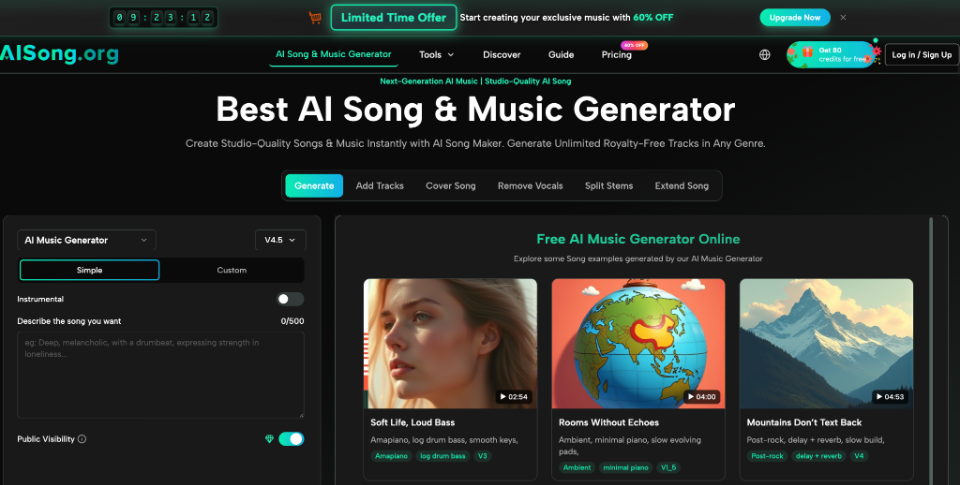
Most advice aimed at entrepreneurs either assumes a marketing budget that doesn’t exist yet or skips the audio question entirely and focuses only on visuals and copy. What’s missing is a practical path for producing distinct, usable audio without hiring outside help, and this is where an AI Song Generator becomes a realistic option rather than a luxury reserved for larger companies.
Why Marketing Content Without Custom Audio Underperforms
Viewers register tone and pacing from audio faster than they process on-screen text, which means a mismatched or generic track can undercut an otherwise strong ad before the message even lands. Silence isn’t neutral either, since a lack of sound often signals a lower-effort production to anyone scrolling quickly.
This becomes a real cost for small businesses competing against larger brands with dedicated marketing budgets, where a distinct audio identity is one of the few differentiators still within reach.
What Drives Up the Cost of Commissioned Music
A single custom track from a freelance composer typically involves a brief, revisions, and licensing terms, all of which add time and cost that most small marketing budgets can’t absorb for every campaign. Stock music subscriptions reduce the price but introduce a different problem, since the same catalog is available to every other subscriber.
For a business posting content weekly or more, commissioning original audio for each piece simply isn’t sustainable, which pushes many owners toward silence or repetition instead of variety.
A Practical Framework for Producing Branded Audio In-House
Instead of treating each piece of content as a one-off audio project, a small business can define a consistent sound direction once and generate variations from it as needed. This turns audio production into a repeatable process rather than a recurring expense.
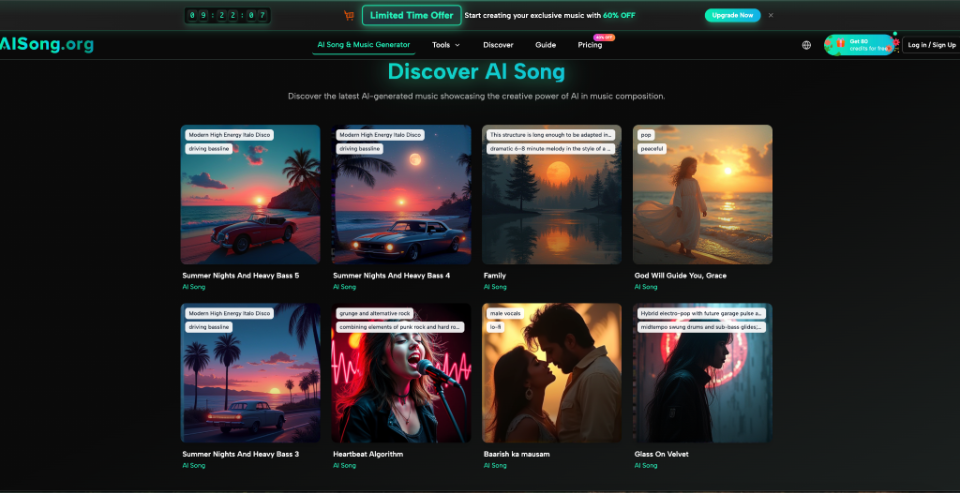
Using an AI Song as the starting point for this process lets a team test different moods against real ad performance before locking in a direction, without committing budget to a composer up front.
- Define a Consistent Brand Mood
Before generating anything, write down two or three adjectives that describe how the brand should feel in audio form, such as confident, approachable, or energetic. This mood description becomes the baseline for every future track.
- Generate a Small Batch of Variations
Rather than generating one track per campaign, producing three or four variations from the same brand mood in a single session saves time later and builds a small library to pull from.
- Test Against Real Ad Performance
Running two versions of the same ad with different generated tracks and comparing engagement gives a business actual data on which audio direction resonates, instead of relying on personal preference alone.
- Lock In a Core Set for Consistency
Once a mood and style test well, saving that combination as the default for future content keeps the brand’s audio identity recognizable across campaigns instead of changing with every new video.
- Reuse a Core Track Across Multiple Formats
A single strong track from the core set doesn’t need to be one-use. Trimming it into a shorter version for social ads and a longer version for a full video keeps the sound consistent while fitting different content lengths without generating something new each time.
Comparing In-House Generation to Freelancers and Stock Subscriptions
Freelance composers deliver originality but at a per-project cost and timeline that doesn’t fit a fast-moving content calendar, particularly for a business testing several campaigns per month. Stock subscriptions solve the speed problem but sacrifice distinctiveness, since the same tracks appear across countless unrelated brands and campaigns.
Generating audio in-house sits between these two options, offering more originality than a shared library at a fraction of the cost and turnaround time of a commissioned piece, while still allowing a business to regenerate or adjust a track when a campaign’s direction changes.
Mistakes That Undermine Audio Brand Consistency
The most common mistake is treating each new campaign as a fresh audio decision instead of working from an established mood profile, which makes a brand’s sound inconsistent across content and harder for audiences to recognize over time. Skipping the step of testing multiple variations before publishing is a close second, since the first generated result isn’t always the strongest fit for the message.
It also helps to confirm licensing terms before attaching a track to paid advertising specifically, since usage rights for monetized or sponsored content sometimes differ from personal or organic content, and this is a detail worth checking once rather than assuming it matches every other use case.
Setting a Simple Weekly Workflow for Ongoing Campaigns
Rather than generating audio on the day a campaign launches, blocking thirty minutes at the start of each week to generate and review a small batch of tracks keeps content production from stalling on the audio step. This also gives a small business time to test a track internally before it goes live, rather than publishing the first result under deadline pressure.
Assigning one person on the team to own this weekly step, even if it’s a small task, prevents the audio decision from becoming an afterthought squeezed in right before a post goes out.
Writing a Brief Without a Marketing or Music Background
Owners without a marketing team often assume this process requires specialized vocabulary, but describing a track the same way you’d describe a store’s atmosphere to a new employee works just as well. Words like “calm morning coffee shop” or “high-energy weekend sale” translate more reliably into a usable result than technical music terms most non-specialists don’t know anyway.
Keeping the brief to a single sentence also avoids overloading the generation with conflicting instructions, since a short, specific description tends to outperform a long list of adjectives that pull the result in different directions.
Building an Audio Strategy That Scales With a Small Budget
The core approach here is straightforward: define a brand mood once, generate variations rather than one-off tracks, test what actually performs, and lock in a consistent direction instead of starting from scratch every time. None of these steps require a marketing department or an outside composer, and each one reduces the risk of a brand’s content sounding inconsistent or forgettable.
For a small business weighing whether custom audio is worth the effort, the real value isn’t a single perfect track, it’s a repeatable process that keeps content sounding intentional as the business grows, without the budget or timeline of traditional music production standing in the way.
