Poder de la naturaleza

Misiones Hidden Tourism: Night lovers, Sunsets, Stars, and Insects

Compartí esta noticia !

Night lovers. ‘We developed a circuit of spa treatments, massages and champagne, delivered right to the room’s door. Everything is designed for couples, for a relaxing night’, Alejandro Sommer explains in a mysterious tone. His face lights up when talking about astro-tourism, his speciality, a circuit that ends with a tempting proposal: the Birra Láctea, a clever play on the words beer and Milky Way in Spanish. Natalia Cornazzani brings up the stars and the dark night, tourist attractions on which the ‘Guaraní Sky’ proposal was built. This activity began in Salto Encantado and is on its way to being replicated in other parts of the province, particularly up north, although it has recently opened a new chapter with a Sunset Experience at Santa Ana de la Cruz Theme Park. Alejandro and Natalia are both ideologists of a new tourism trend in Misiones, generating offers that complement its natural attractions. This story began during the first Sunset Experience held in the Santa Ana Theme Park, with the company of Daniela Ayala, an insect specialist and one of the key guides to discovering the secrets of Misiones’ biodiversity. 

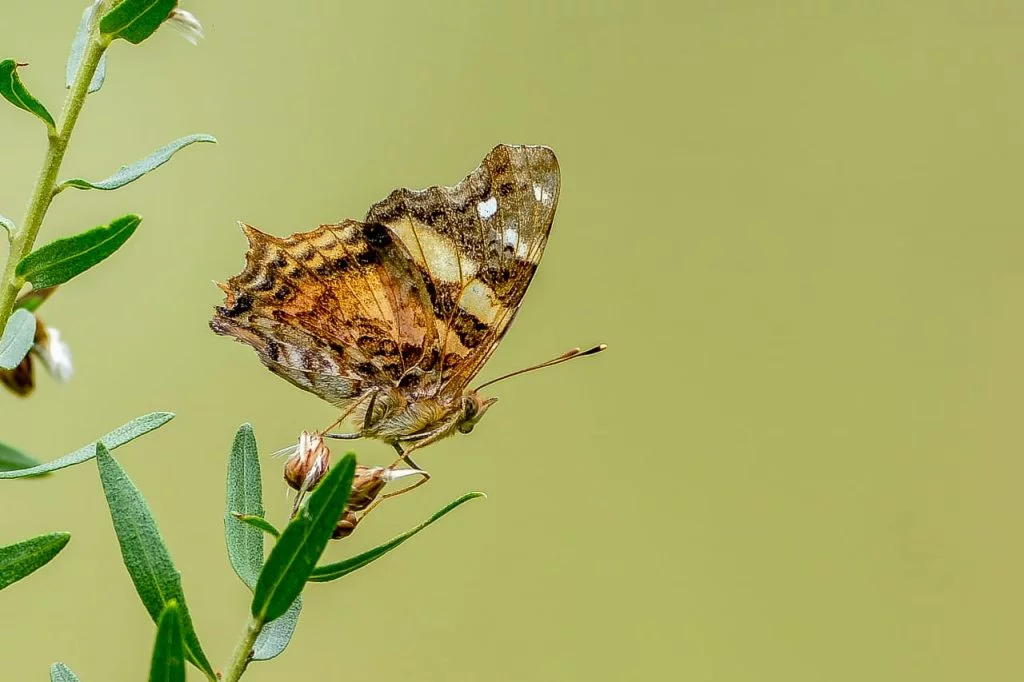
Daniela, a professional at the School of Exact Sciences, explains that out of Argentina’s 1200 species of diurnal butterflies, 960 are found in Misiones and 460 are endemic to the province. Keeping up with her passionate talk about insects is no easy task, a story of metamorphosis from caterpillars to butterflies and pollinating worms. She explains that in Misiones, besides the famous ‘stick bug’, there is also a ‘leaf bug’, and a mantis ―a praying mantis with the ability to camouflage itself in the environment, just like the stick bug― that cannot be found in other geographies. The professional stresses that promoting entomology does not only benefit tourism but also encourages the protection of species, considering that in the past people would come from Europe, Asia or Chile to ‘literally’ steal insects and sell them to museums or private collectors.
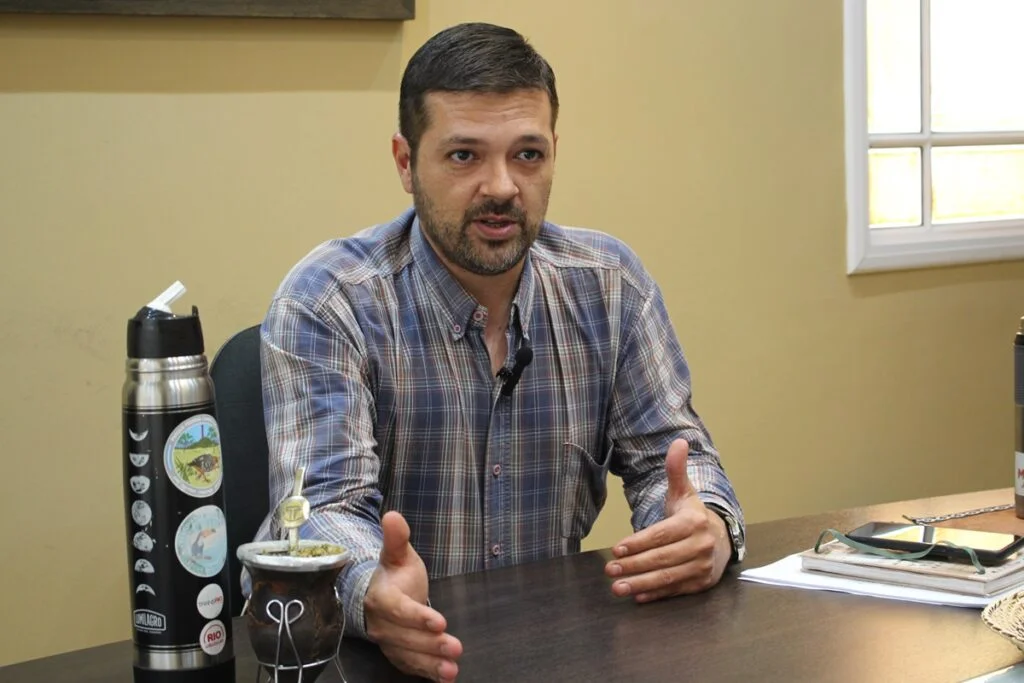
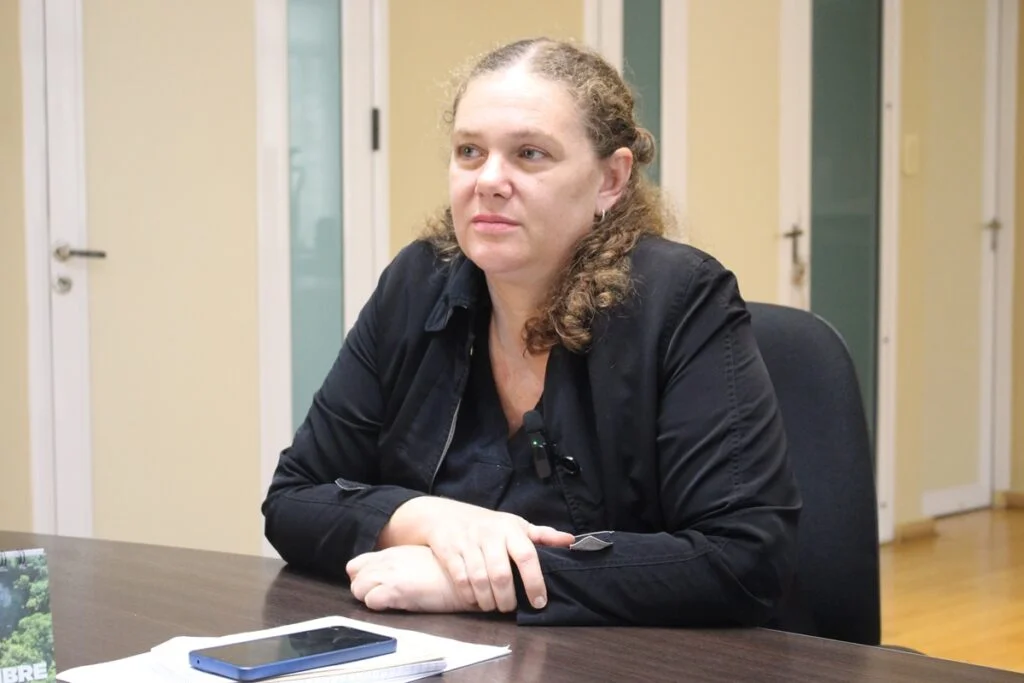
Sommer is from Misiones and Cornazzani from Ituzaingó, in the province of Corrientes, but they both studied at the School of Humanities and Social Sciences of the National University of Misiones. They are now part of Minister of Tourism José María Arrúa’s team, which champions these initiatives.  The Minister stresses that these options emerged as a defence mechanism to leave behind the paralysis caused by the pandemic.

“In 2020, when the pandemic struck, we had started the Argentina’s Natural Route project. Using it as our foundation and adapting it to Misiones’ rainforest, the Minister told us: “Either we stay locked up or we go out to seek new tourism proposals for when the doors reopen.” On that note, the ecotourism team started to generate different products tailored to Misiones’ rainforest. We now have seven of these offers. One of them is Camino de las Estrellas (Path to the Stars). Alejandro joined us that year, and we worked hard on that, on the first product that came out, which was Cielo Guaraní (Guaraní Sky). We also worked on promoting the natural protected areas and, at the time, Salto Encantado as an emblem, associated with the Cielo Guaraní experience. We have this law to promote dark skies and raise awareness about biodiversity and the sky,” Cornazzani explains.

The offers have a distinctive feature: they are not aimed at the masses. “They focus on a specific segment and are conditioned by capacity,” Sommer explains. “That’s why we talk about ecotourism, we don’t talk about mass tourism, but about a segment, an audience, ecotourism itself already seeks that natural environment. It’s so sustainable that even during a fire emergency and with all the management plans required, we are allowed to build fires inside the Salto Encantado Park. But why? Because we bet on the cultural interpretation of the tatachina, the smoke that comes out of the fire and represents the connection between earth and sky. We had to explain this at the Government House, and the Ministry of Ecology. Even if the public doesn’t realize, there are fire extinguishers, there is water, there is a whole contingency plan to do this, and it is planned for only 20 people. Let alone when we start talking about entomotourism: we are generating a stimulus in a natural environment that is not used to it. We cannot overcrowd it, but we can focus on the quality of the product because it is designed for only a few people. The offer that this Path to the Stars proposes is to take advantage of Misiones’ rich natural, cultural, tangible and intangible heritage. This is why we work closely with parks and the Jesuit Path in the south of Misiones, with a gastronomic circuit towards the centre, and everything related to entomotourism or bio-astronomy in the north. We propose segmentation. We have Cielo Guaraní in Salto Encantado, and now Santa Ana’s Sunset is being developed. The projects are different according to the different audiences. A law was also passed that allows us to evaluate the land and see what we can do, what we can offer, without taking into account all the interactions between the different organizations,” Sommer says.
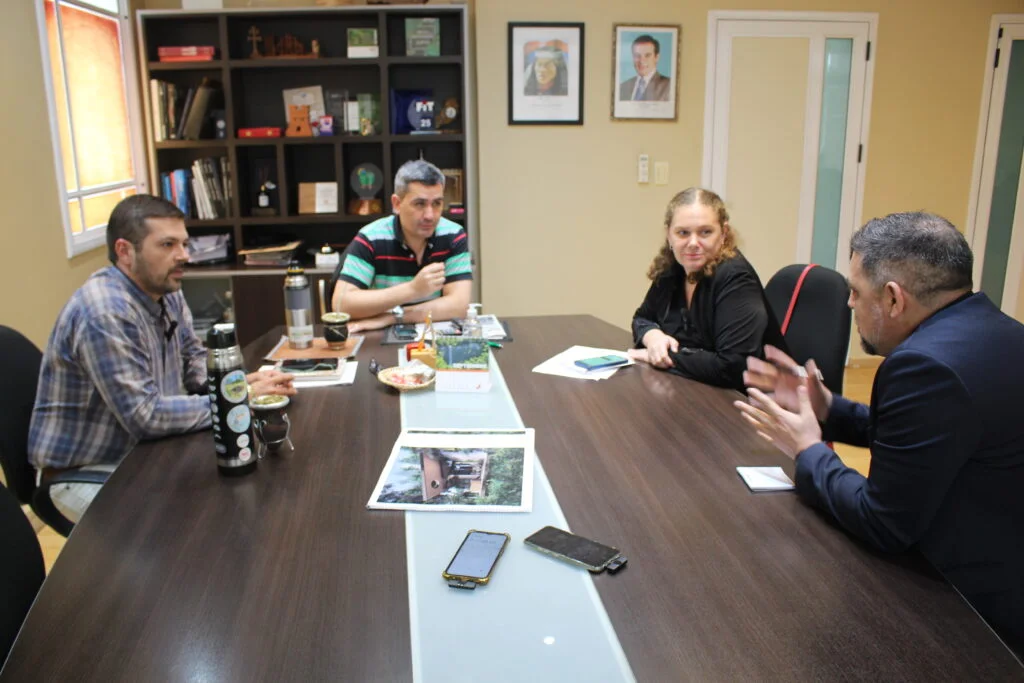
And the idea is to have offers in the whole province…

Cornazzani: We want to focus on different points. As Alejandro was saying, the cultural aspect and this new Santa Ana’s Sunset product ―to appreciate nightfall― in the south, bio-astronomy and birds in the north of the Andresito and Grand Iguazú areas ―for a very specific public that travels to the lodges to do birdwatching―.  And the well-positioned Salto Encantado where we’ve been working with a community for more than a year; this is an added value because the Yvytu Porá community is already a leading figure of this activity.

How has the public’s reception been so far? 

Sommer: Well, in terms of turnout, we need more. We have an agenda, we have requests for activities from all directions and we have to understand that  we are working with various sub-secretariats of the Ministry and with the National Government to define the profile of the guides. We have to understand that this is a tourist activity with applied technical knowledge, which is the basis for our Active Trail activities. Regarding the offer, we have already positioned ourselves in Garuhapé, Esperanza, Andresito, and the Urugua-í Park.

What about astro-tourism?

Sommer: There’s significant demand for more and more activities, people ask for more, but we don’t have enough guides.

The idea is for everything to be of good quality.

Alejandro: Quality is our priority, not quantity.

Cornazzani: As we work in protected areas, we have to be careful. We have a permit for intervention granted by the Ministry of Ecology that allows us to be there at night at certain times of the year. But I also think it is interesting to add that, for example, with Argentina’s Natural Route, we have obtained credits for the Urugua-í Provincial Park, where there are going to be a series of interventions and projects. One of the ideas involves building a tower to be used not only for bird watching, but also stargazing. So, let’s say it’s a whole experience of contemplation and an integration of activities that we can now translate into something physical.

Is this going to take place at Lake Urugua-í? 

Arrúa: No, it’s in the Urugua-í Provincial Park, in Andresito. Not in Lake Urugua-í. It’s in the Uruzú district. 

Sommer: This tower would be above the canopy of the trees, designed precisely for birdwatching and stargazing. Most importantly, it is also consolidated for all types of tourism: scientific tourism, regular tourism, eco-tourism, and much more. What is most interesting about the tower is its accessibility. It has an excellent design.

Cornazzani: And we are also developing visits to observe a natural salt flat. We’ve already met with the architect in charge of that project. We are improving the signage to target it for a more scientific public. When Argentina’s Natural Route began to divide different destinations and so on, we said: “When the Iguazú National Park reopens after the pandemic, we have to take care of the capacity, so as not to reduce quality. How can we diversify and spread out tourist flows, as in other places in the world?’ You have to obtain a ticket in advance, to plan what you are going to do around Iguazú. This is an option for a more specific audience, because it’s targeted at scientists, or at people who like to be in touch with nature.

Arrúa: However, you also have the experience of the Awasi people, that is to have tourists in the rainforest. They take people to the park, they do activities. I was talking to the manager a few days ago and he said that these initiatives add up, because we are going to have more time for our tourists on site”.

Cornazzani: Many activities are contemplated, such as restaurant services, and the idea is to also charge a bit more. Because by taking care of the salt flat, you will be able to observe the tapirs. However, no more than ten people would have access at specific times. This natural attraction is being appreciated, with a location where people can take photographs without disturbing the tapirs. It’s a different kind of interaction…

José María: But the tourist or visitor should not disturb the animals. Everyone must be quiet and silent. There should also be a security system in place. We are talking about four or five people at a time, no more than that.

Cornazzani: The idea is for them to stay for three hours, so the public waits patiently for the animal to arrive. 

Arrúa: The tapir goes to the salt flat around four or five in the afternoon, and at eight at night, and people can then take the photos.

What are the experiences like with the tourists who come to spend the night? 

Sommer: They are surprised, since this isn’t exactly the etymology of the word tourism. We offer experiences. The diversity of the offer means that if the tourist is more of a hardcore scientist, they can opt for Misiones’ Observatory. On the other hand, when they are seeking these astro-tourism experiences, they are aiming to see a different side of Misiones. Because half of the life in the province takes place at night. What happens in the province at night? We are talking about entomotourism, nocturnal birds, butterflies. Why was the value of Santa Ana enhanced? Kilometres further down, the Macaria Garupa, which is the new species of nocturnal butterfly, was discovered. Some kilometres further up, we found the Mbopicua teyucuarensis, which is the new species of bat. We are in a very rich transitional area, you know?  

José María: For example, San Juan Park, the place where the highest number of birds was recorded in Argentina during Bird Day. That day, 240 species were observed. It is the number one bird watching post and it’s a transitional area between grassland and rainforest. Besides, the park is still relatively unexploited. There’s no intention to exploit it and have ten buses going there. If tomorrow we start publicising this place and it catches the attention of agencies, maybe people will start coming, you know? We’ll need to have portable toilets and tents for food. It would be a revolution. After two years, it will no longer be a sanctuary. 

Cornazzani: Biodiversity would be destroyed.

José María: We need to be very careful, very punctual, it cannot be overcrowded. Nowadays tourists want to be the first ones visiting the place. Why do influencers exist? Where do influencers come from? They come from there. They tell you about their experience and then you say, ‘look at what this person experienced’. Influencers who come to Misiones talk less and less about going to the Iguazu Falls because everyone has already visited the Falls. Except when the river flow is very high or when the falls are very dry. But unless there is something eye-catching and unique, people say: ‘no’. Even to the Moconá itself. Everybody is looking for that unique experience.

Cornazzani: We are looking to slightly spread out the offer in the Grand Iguazú area towards Andresito with all these options for ecotourism, which is our area of concern. This will give life to the Urugua-í Provincial Park. We are also working comprehensively to offer the destination to travel agencies. Because the place may be very good, but it has to enter the market first. That is to say, the Iguazú travel agency has to know that at 5 a.m. such and such species come out and then take the visitors there. It’s important to target the offer a little bit.

Sommer:  Always speaking from the ecological point of view, we aim at achieving a triple impact, focusing on how the activity affects the local economy. Precisely, the idea is that we lean back, in some way, on the parks. We are creating an attraction that can benefit all the enterprises, while, at the same time, using local resources.  Going back to Salto Encantado, the gastronomic menu is local, so the carbon footprint is zero, because you consume what is produced directly in nearby areas. Simultaneously, it directly affects the Guarani communities since there is a contribution, an economic spillover. Those who participate in the activity get vouchers for local lodging, the goal being promotion. For example, the Yateí Interpretation Centre in Andresito includes all the lodges in the area but the place is neutral, so that tourists have a closer offer.

Cornazzani: We always have our sights set on having government-led initiatives. Because obviously many times we were called, or even José María was told: “You can come and do the activity for us.”  No, the activity is done in a municipal place, or in a provincial park to give it value. And then the others run the lodges in Villa Salto Encantado, they feed off that and on Fridays they already have an activity to offer. Bookings are managed according to the activity.
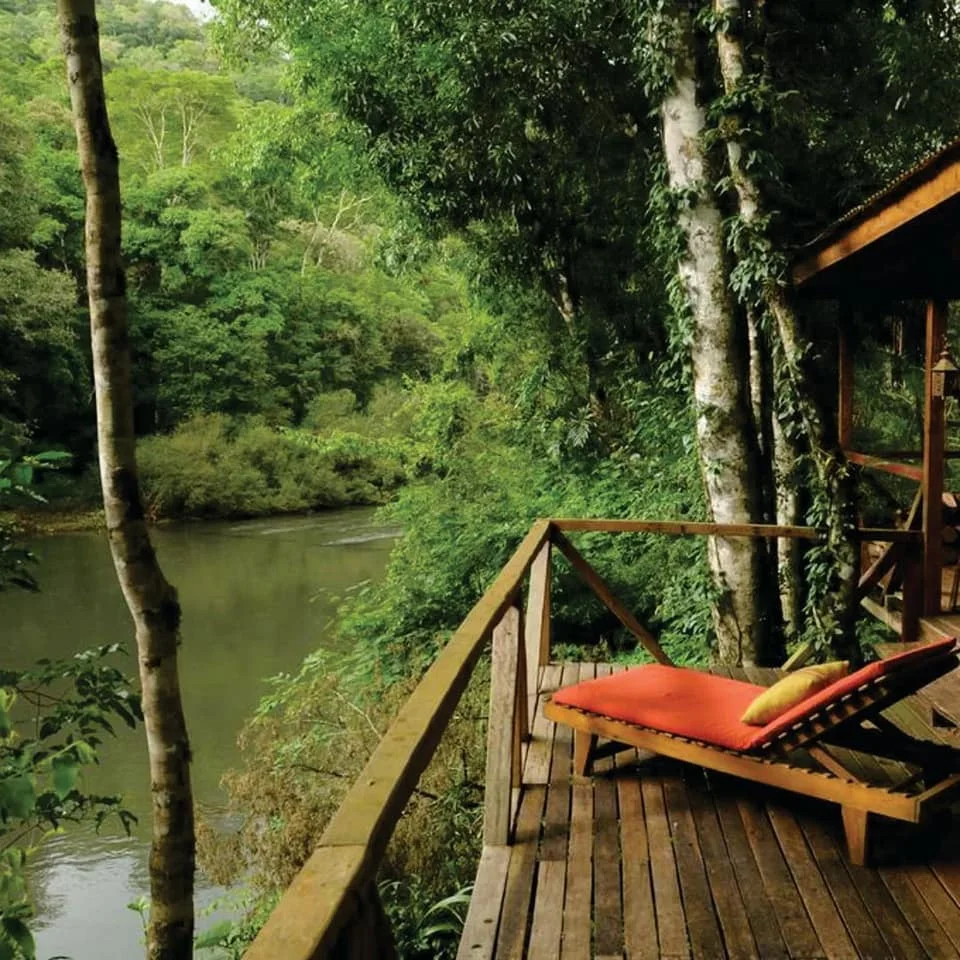
Arrúa: Or many times they tell us: “We want to do it here.” And we have technicians who instruct them on how to do it. They advise them on buying a telescope and hiring a guide.

Sommer: In fact, many lodges have already started doing it in the Moconá area.

Arrúa: Santa Ana is also doing it here, Al Kamar is starting to set up observation areas.

Cornazzani: Our idea is for the Government to set trends and direct the offer so that private enterprises can capitalise on them. But we, as the Government, provide the tools of infrastructure and knowledge.

How did the Night Lovers proposal come to life? And the Birra Láctea?

Sommer: They were designed based on satisfaction surveys. What called their attention? What brings them here? People are looking for that diversification of the offer, couples are looking for an evening together, to celebrate an anniversary, or to have a moment of intimacy. So the story, beyond the cultural aspect, has to do with that encounter, reconnecting with your partner, being in contact with nature. That’s something that all these lodges provide, an intimate moment amidst nature as a couple. That’s what we offer. The details are provided by agencies. People have to go and discover.

Arrúa: When we started the second administration, in 2019, I remember, at the end of 2019, the rainforest was recognised as a Natural Wonder of Argentina. The Iguazú Falls are already a Wonder of the World and the added value of the Falls was the rainforest -it’s environment and how the space was preserved for the Falls to stand out. The Iguazú Falls are not a Wonder of the World because of the waterfalls alone, there is a whole context why, and all these elements were taken into account for the upgrade. So, I felt at the time that we owed a debt to the rainforest. Then the Moconá appeared and it also wanted to be a Wonder. We supported both of them, but we bet more on the rainforest because it also seemed to us a transversal product in Misiones. It was the longest path, because the shortest path was to give the Moconá visibility and promotion. The big challenge was this one, because we only had the rainforest and there was nothing set up. There was no rainforest experience. What do the Falls have? There is an entrance fee, a circuit, a little train, people can go on the great adventure or the rubber boat, and even eat there. At night you can go on the Moonlight Tour, you have everything you need. In the Moconá there’s a restaurant, a trail and maybe we could recover the walkways. But the rainforest has no amenities and people had this very narrow vision of ecology, coming not from the Ministry of Ecology, but from the ecologists, that nothing should be touched. The issue was how to approach the ecologists and tell them: “All that you take care of and preserve, costs a lot of money and if we do not raise awareness about its cost, we have to generate an income so it can be sustained.” This income is not generated by clearing land or planting soybeans. If sustainable and profitable business units are generated, surely many people would say: “I also want to provide bird watching or astro-tourism in my reserve.” That is why we have reached this point. Misiones has seven of the eight products of the Natural Route.

Is there anything missing?

Sommer: Dinosaurs.

Arrúa: Yes, dinosaurs.

Cornazzani: We updated everything proposed by Argentina’s Natural Route. Furthermore, the pandemic really strengthened us as a team, within the Ministry, and it also helped us determine what we were looking for. It also gave us the opportunity, the Natural Route, to start. We knew that once the doors opened, people would want nature.

Sommer: Today, Misiones is a benchmark. There is a strategic plan for sustainable tourism, and we are already mentioned in bibliographies for the work we have been doing.

Arrúa: This set of ideas comes from the Ministry’s team. I always knew that there was very good human material here, a very good mindset. We just had to get them moving a little bit more and make them feel part of it. It’s not that the Minister comes and gives the order: ‘we have to do this’. The truth is that, during the pandemic, as she says, it was a feeling of emptiness for everyone. We didn’t know what to do, which way to go or where to start. At one point, I told them: “Guys, this is no longer the Ministry of Tourism. We are now firefighters. We are in a fire. You have to do this, you have to do that. Here’s what I know. But the other thing, how do we get out of this? You tell me how we can do it.”

Cornazzani: We have to be creative, he said. In fact, our post-pandemic presentations were butterflies, and I said, ‘I don’t know if he’s going to dare.’ And he adds, “We’re going to transform from caterpillars to butterflies.” So we went out to showcase our province to Buenos Aires.

Arrúa:  We put together a very nice group of people. Together we were able to reshape the concept of tourism. And that is interesting because the strategic plan gives a guide, like a GPS. In addition, there are two innovations with the PET (Misiones’ Strategic Plan for Sustainable Tourism.) It’s going to become law. And we have already signed an agreement with the Natural Route to modernise all signage and introduce a new brand for Misiones.

Cornazzani: The photographs don’t show the place, but they show the species people can spot in the area. It’s like a new concept to invite tourists to say: “I want to see that there.”

Arrúa: It’s a poster showcasing experiences rather than advertising information.

This new conception of tourism made Misiones stop having low seasons. The saw effect is no longer displayed in the occupancy indicators. Previously, the number of visitors to the Iguazú Falls was measured to evaluate the tourist season. Today it’s still a key indicator, but it’s not the only one, and that allows us to project growth throughout the province.“We are always looking for quality, we want to grow by no more than 8 or 10% year-on-year; otherwise, the province’s load capacity will collapse. It’s one thing if it collapses and we have to open additional accommodation during the Carnival, or on July 9 ―the first week of the winter holidays―, or during the TC ―a road racing circuit―. But the idea is for this not to happen and to instead have a regulated activity. For that reason we seek to diversify the options and for people to stay for more days. Not just a two-day getaway to Misiones, but 5, 6, 8 days, even 10 days. We are looking for tourists to stay for 10 days, that is PET’s goal. We estimate two and a half million, three million tourists at the most. We have 3 million hectares and 3 million tourists. In 2018 we reached 1.4 million. It was the first time the number of tourists surpassed Misiones’ population.. We had 100 thousand more tourists than inhabitants. This year we will close the season with two million tourists. But we are not interested in growing much more in terms of volume,” explains Arrúa.

.-.-.-.-.-.-.-.-.-.-.-.-.-.-.-.-.-.-.-.-.-.-.-.-.-.-.-.-.-.-.-.-.-.-.-.-.-.-.-.-.-.-.-.-.-.-.-.-.-.-.-.-.-.-.-.-.-.-.-.-.-.-.-.-.-.-.-.-.-.-.-.-

Traductores José Roa, Daira Dos Santos, Agustina Cusoilito, Valentina Mior y Rosario Maciel

Tecnicatura Universitaria en Traducción e Interpretación en Inglés – UCAMI

Correo: c.extension@fch.ucami.edu.ar 

Compartí esta noticia !

Yabuticaba, The Gourmet Market: a Reason to Stay a Bit Longer and Enjoy the Iguazú Waterfalls

Compartí esta noticia !

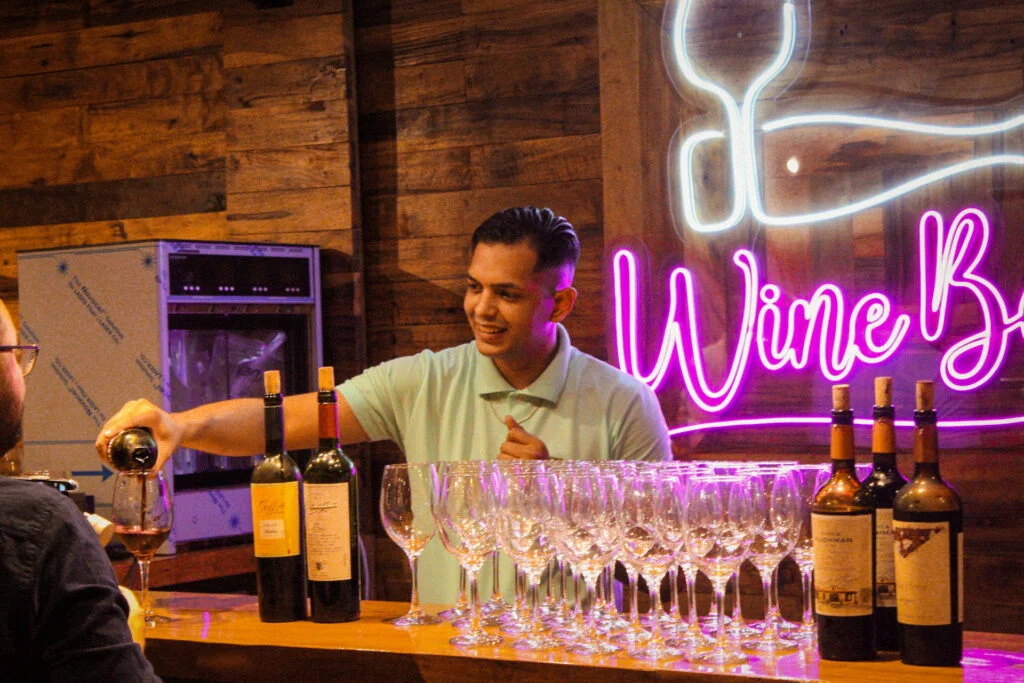
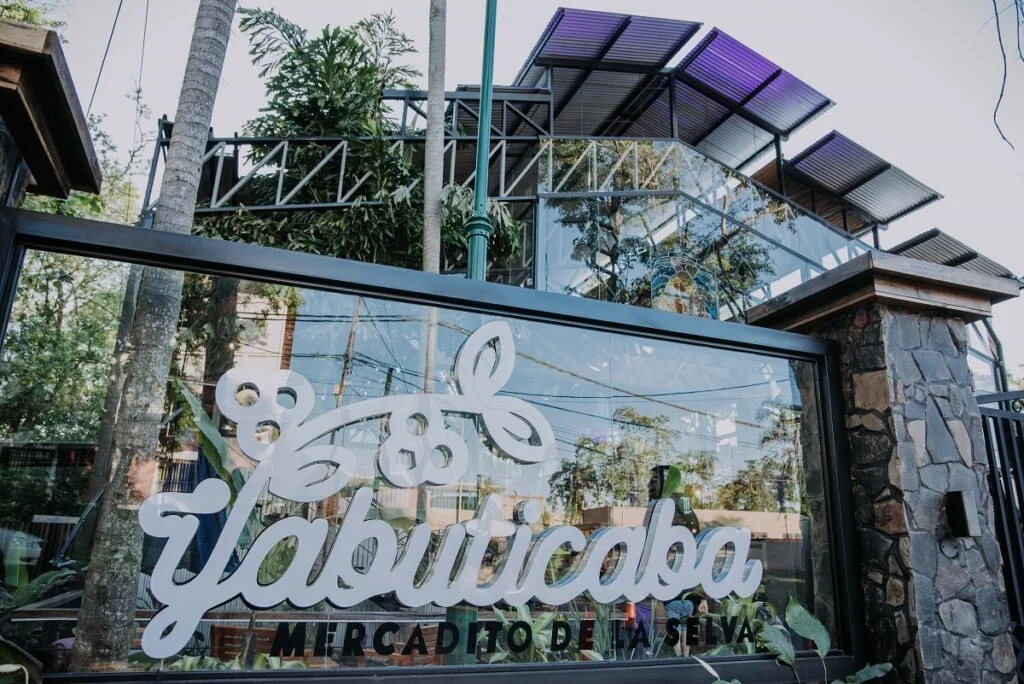
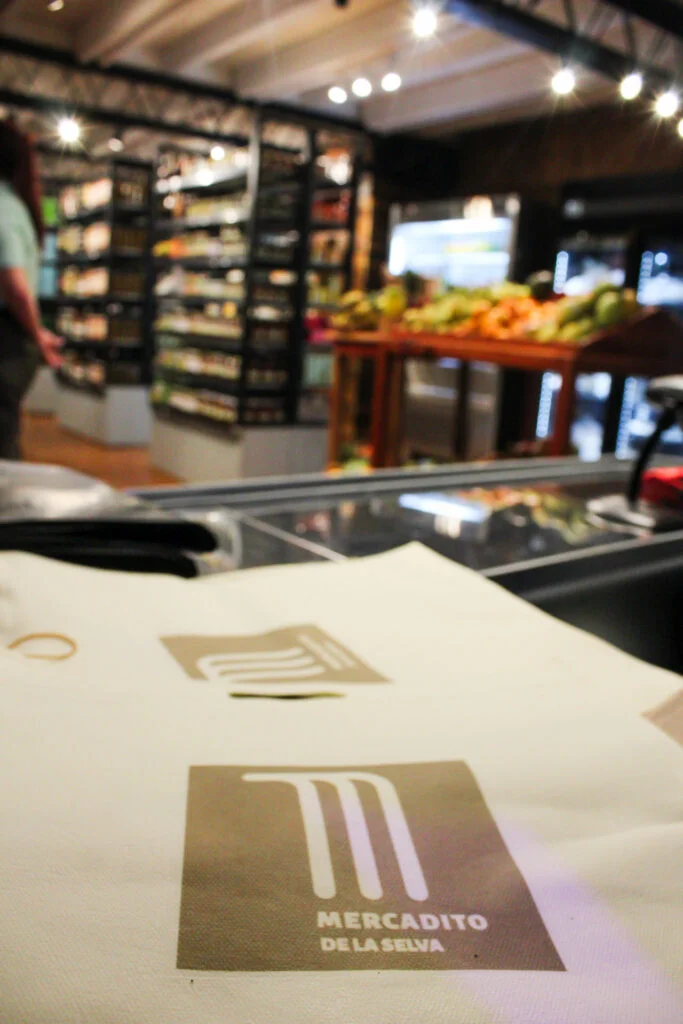
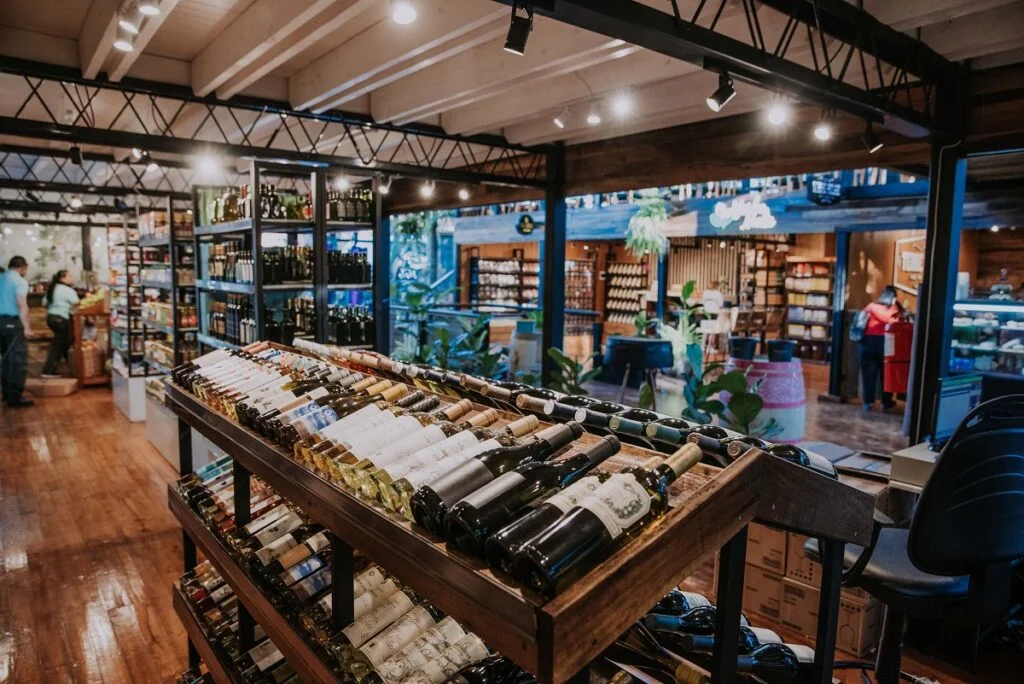
Patricia Durán has become a trademark in Misiones’ tourism sector. Every single one of her investments shakes the sector’s standards, and now there is a new reason to visit the city of Puerto Iguazú after touring the majestic Waterfalls. In line with the rainforest concept promoted as the emblem of Misiones, the businesswoman opened last Monday another one of her carefully detailed designs: the Mercadito (small local market) inspired on other markets from around the world but with the true DNA of Misiones. Mercadito is just a manner of speaking as Yabuticaba, el mercadito de la selva (Yabuticaba, the rainforest market) is a spacious building with wooden and stone foundations that spirals into the overgrowth, disappearing amidst hanging bridges and trails hidden in a dense forest with centuries-old trees. On the ground floor, a delicatessen shop offers regional products, fruits and beverages suitable for the most refined tastes.

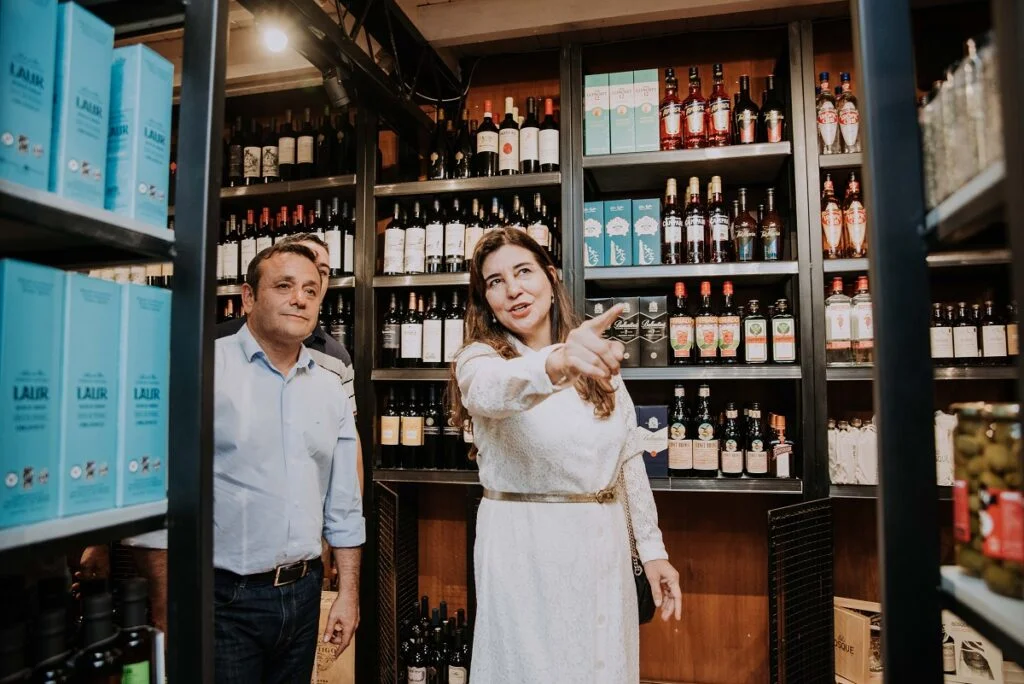
Here, you will find everything from the best to the most traditional whiskey, a fine wine or the Argentine Fernet (an Italian bitter vermouth), as well as natural essences, spices, smoked meat and fish. On the top floor there are two connected galleries where you can taste other flavors. You can eat empanadas (pastry filled with a savory meat mixture), meat sandwiches with salsa criolla (finely chopped onions, tomatoes and peppers with French dressing) or keep going down the hallway to find the typical Argentine barbecue.

Patricia describes Yabuticaba as innovative gastronomic premises inspired on the famous Mercadito San Miguel in Madrid, and other markets around the world, where you can enjoy regional food and live a unique gastronomic experience in an area that expands the commercial sector of the city as it is located on the Hipólito Irigoyen Avenue, just a few blocks away from the access point to Puente de la Amistad bridge to Brazil.

There is plenty natural lighting, and the roofs are decorated with huge stained glasses made by local artists, as well as impressive murals at the entrance and the lower level rooms. It is an ideal place to get carried away and contemplate it for hours, another reason to stay an extra night in the city of the Iguazú Waterfalls. Every nook provides a space to connect with the heart of the rainforest. Enormous trees that forced the roofs to adopt different shapes inner lakes whose denizens can be heard at night despite the husle and bustle of the guests and the ambient music. The numerous guests all agree and celebrate that “Patricia did it again.”

Moreover, two months ago, in August, Patricia opened the first Iguazú glamping in a rainforest site along the Paraná riverbank, creating 30 job positions. Now, there are 60 new ones, and it is estimated that a couple dozen more people will be employed once everything is fully up and running. The entire business group will employ 400 people in total, including hotels, travel agencies and tourism.

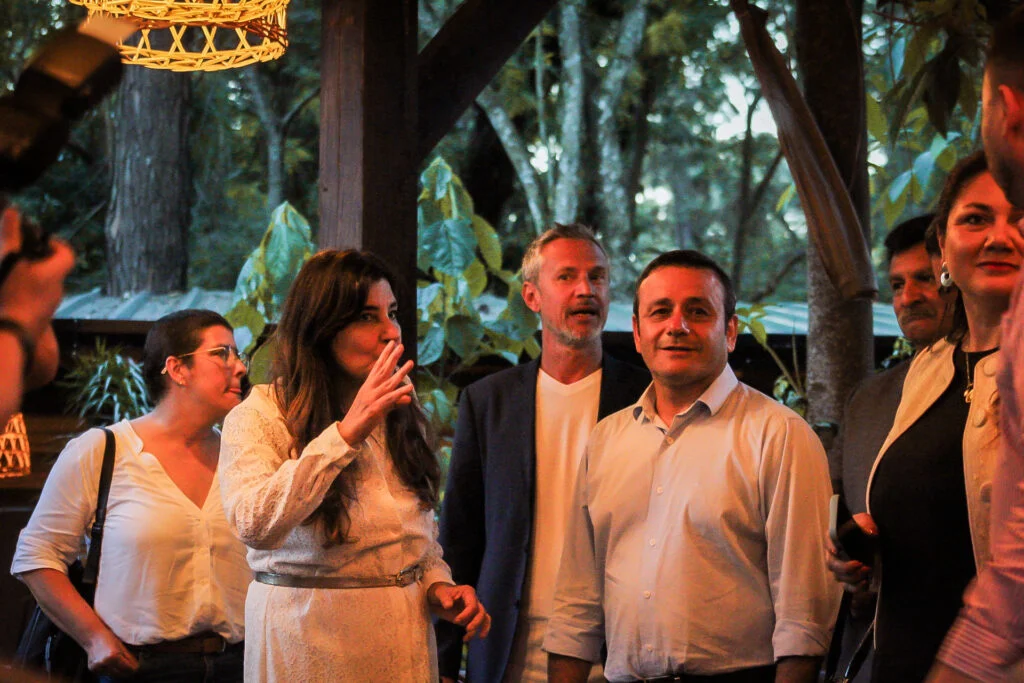
Among the guests were the Governor of Misiones, Oscar Herrera Ahuad, Claudio Filippa, Mayor of Iguazú, and José María Arrúa, Minister of Tourism, as well as other businesspeople in the sector.

Governor Herrera Ahuad toured the premises, praised the opening of this new concept, and highlighted the importance of the investment that will also create new private job positions in the city. He emphasized that, above all, “businesspeople and entrepreneurs are committed to Puerto Iguazú.”

He also stated that “one is impressed by the beauty of the market, and the creativity”, since practically everything Misiones has to offer can be found in this place: regional products, the rainforest, its unique ecosystem, all intertwined with family, people, the human being. He claimed that “it is truly fantastic, marvelous, and beyond the macroeconomic aspect, there is a regional economy, and the economy of Puerto Iguazú that has been able to stand its ground when faced with adversity, in addition to the fact that our entrepreneurs have impressive decision-making skills.”

Also, the governor pointed out that he wanted to be present at the opening to “wish the business great success. I came here to celebrate new employment opportunities for the residents of Misiones and Iguazú. This place will allow the area to grow and develop because it is also necessary to develop other sites away from the downtown area for the settlement of new businesses Then, it becomes an offer that will encourage the urbanization of the area, which already has a sewerage project under way.”

The governor highlighted that the opening of the business was “a wonderful opportunity, taking into account the feelings, the spirits, the achievements, and especially the satisfaction of witnessing the completion of the project.” He approved the “businessman decision of trusting public policies and the belief that things can get better.” He thanked the owner for their trust in the provincial government. Likewise, he celebrated the fact that the government is a “work effort and management nexus between the public and the private sectors.” He also highlighted that tourism is important for Puerto Iguazú, and for the whole province because “We’ve been working very hard every single day for the past two years”, he claimed, and mentioning the regulation of 600 hectares in the municipality as an example. He underlined that “this cannot be achieved without a mutual partnership; it is impossible without the involvement of the government.”


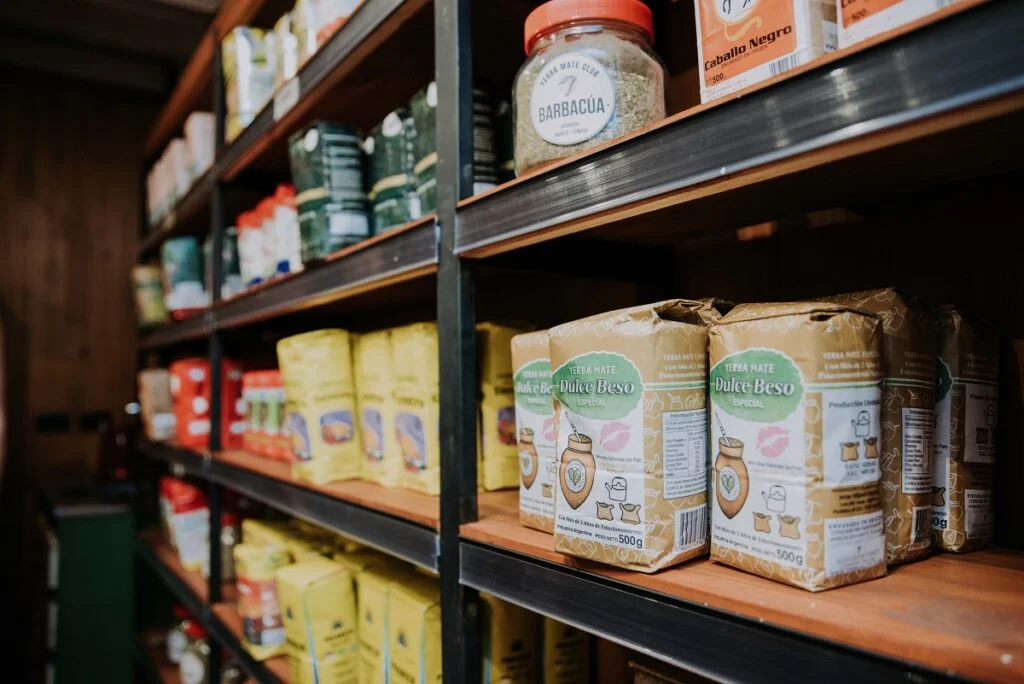
“Yabuticaba” is also a place where regional producers will play a special role, highlighting local products such as yerba mate and the delightful alfajores (traditional Argentine pastries). Likewise, they will have access to a barbecue to grill meat cuts of the highest quality. The restaurant will provide a selection of delicacies prepared exclusively with local organic produce, thus ensuring fresh and delicious food in every dish. Furthermore, the market will be open every day from 4 pm to midnight.

-.-.-.-.-.–.-.-.-.-.–.-.-.-.-.–.-.-.-.-.–.-.-.-.-.–.-.-.-.-.–.-.-.-.-.–.-.-.-.-.–.-.-.-.-.–.-.-.-.-.–.-.-.-.-.–.-.-.-.-.-

Traductores José Roa, Daira Dos Santos, Agustina Cusoilito, Valentina Mior y Rosario Maciel

Tecnicatura Universitaria en Traducción e Interpretación en Inglés – UCAMI

Correo: c.extension@fch.ucami.edu.ar 
Compartí esta noticia !

Tamanakuna “the Rainforest Glamping”: a new option to enjoy in El Soberbio

Compartí esta noticia !

Glamping, a blend of the words “glamour” and “camping”, is a form of camping with a sophisticated distinctiveness that has become a worldwide trend for adventurers seeking to be in contact with nature. The town of El Soberbio in Misiones is known as the “Provincial Capital of Glamping” since it was the first one to implement this type of accommodation and continues to offer more of these experiences. 

In this context, last Friday at noon, Tamanakuna, “the Glamping of the Rainforest”, was opened by its owners along with local and provincial authorities, friends, and neighbours.

“Misiones captivates with its vibrant colors: the green of the vegetation, the red soil, the orchids, the butterflies, and the stream. As soon as we got here, we saw it, we fell in love with it and decided to share it with the world”, said Valeria Tuccini, one of the owners, in an interview with Radio Open 101.7.

On the other hand, Alberto Sobrino, one of the owners, revealed that they wanted to do something “out of the ordinary”, especially for those coming from different places. They said, “We are going to share it with our visitors, so they can have a true experience in the rainforest. Let them understand its vitality, explore it, immerse themselves in it, and feel its presence.”

“Tamanakuna” is a Guarani word that means “orchid”, which is one of the defining features of the Misiones rainforest (home to more than 50% of the orchids found in Argentina) where they grow and live naturally. 

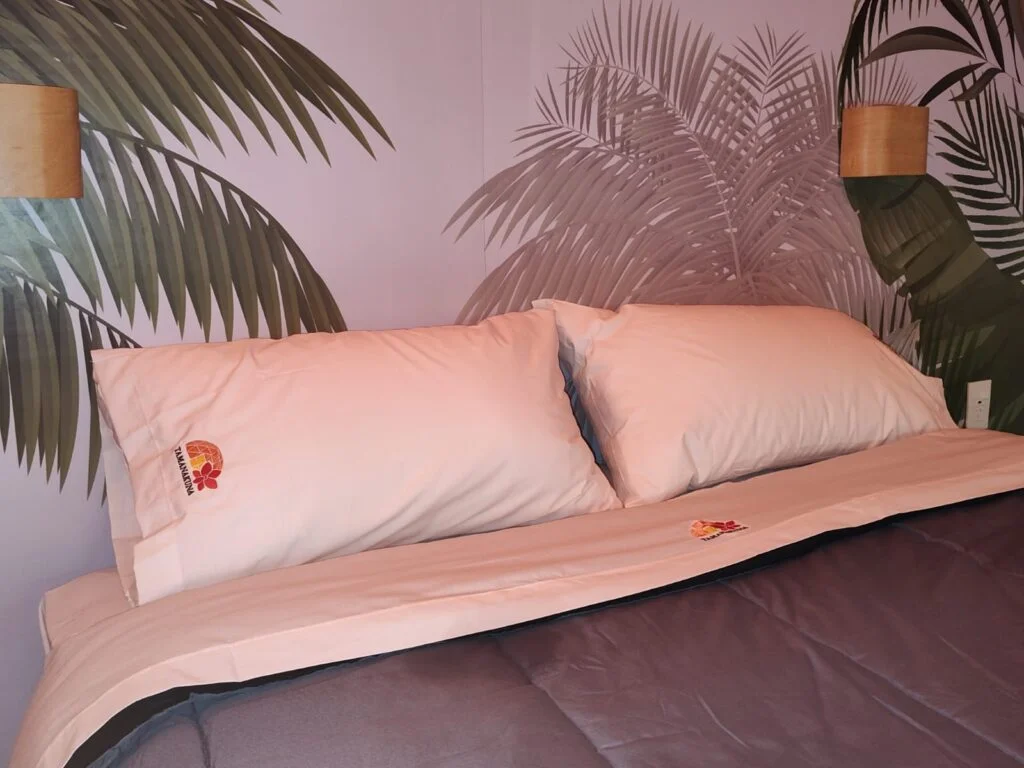
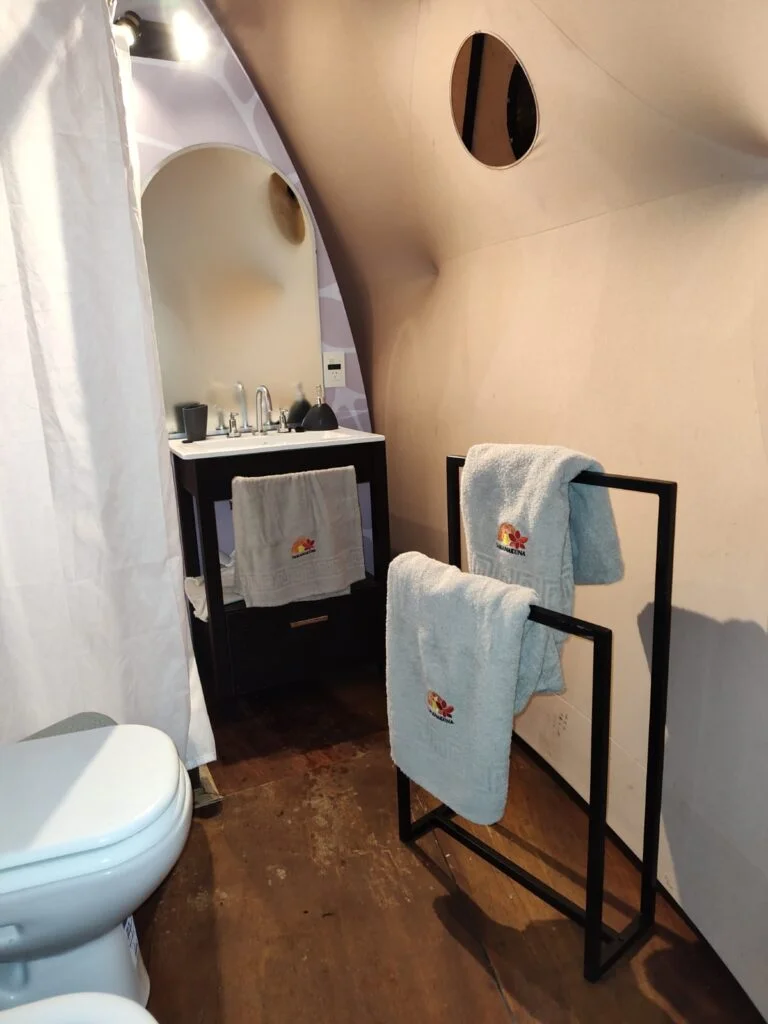
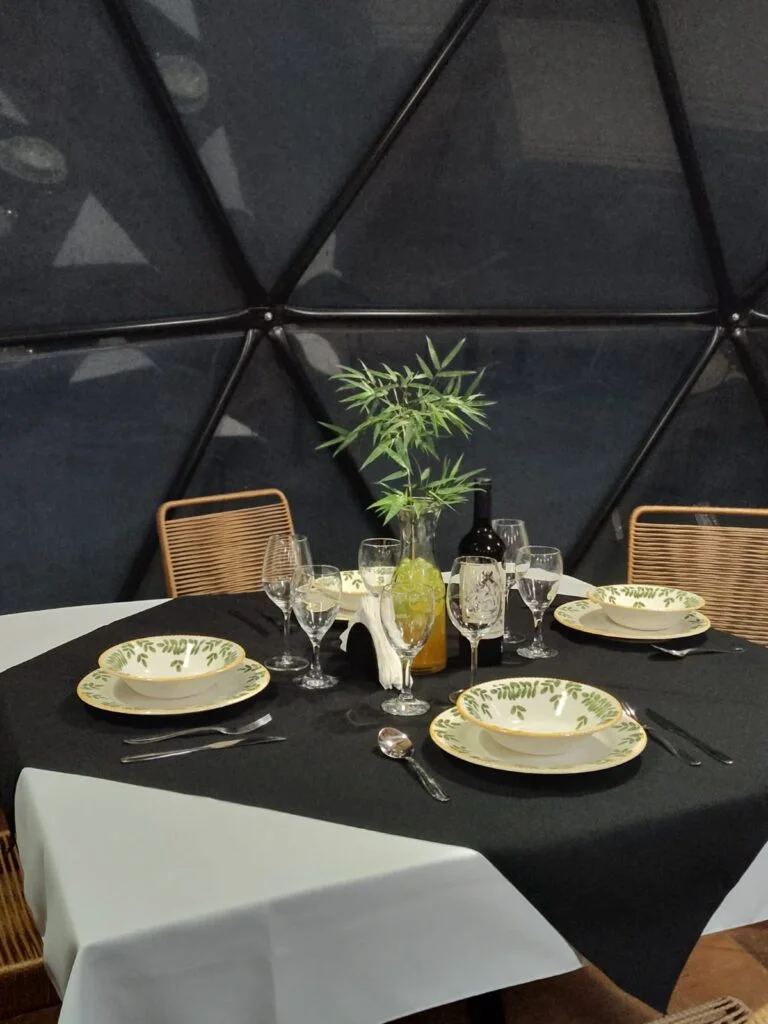
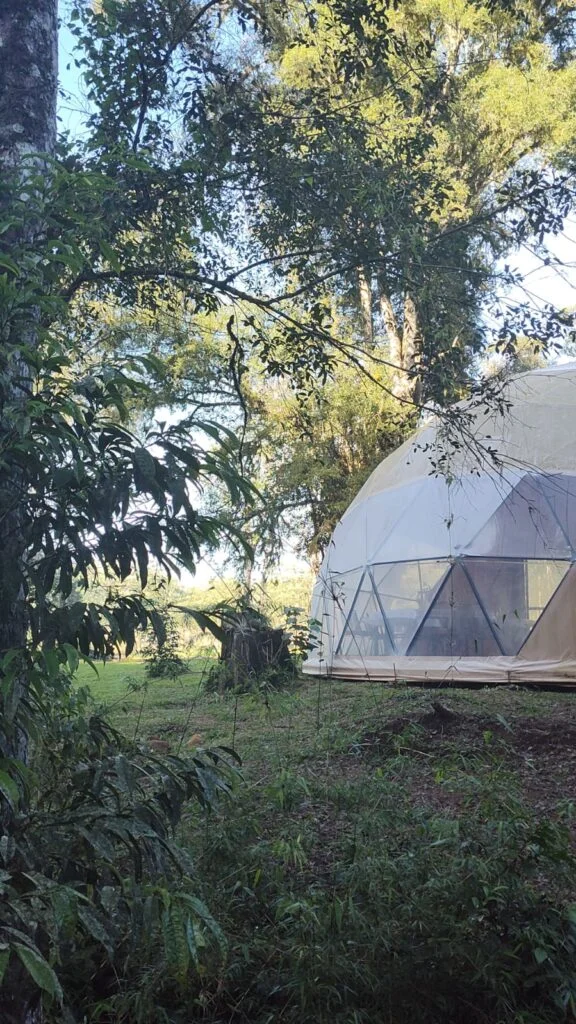
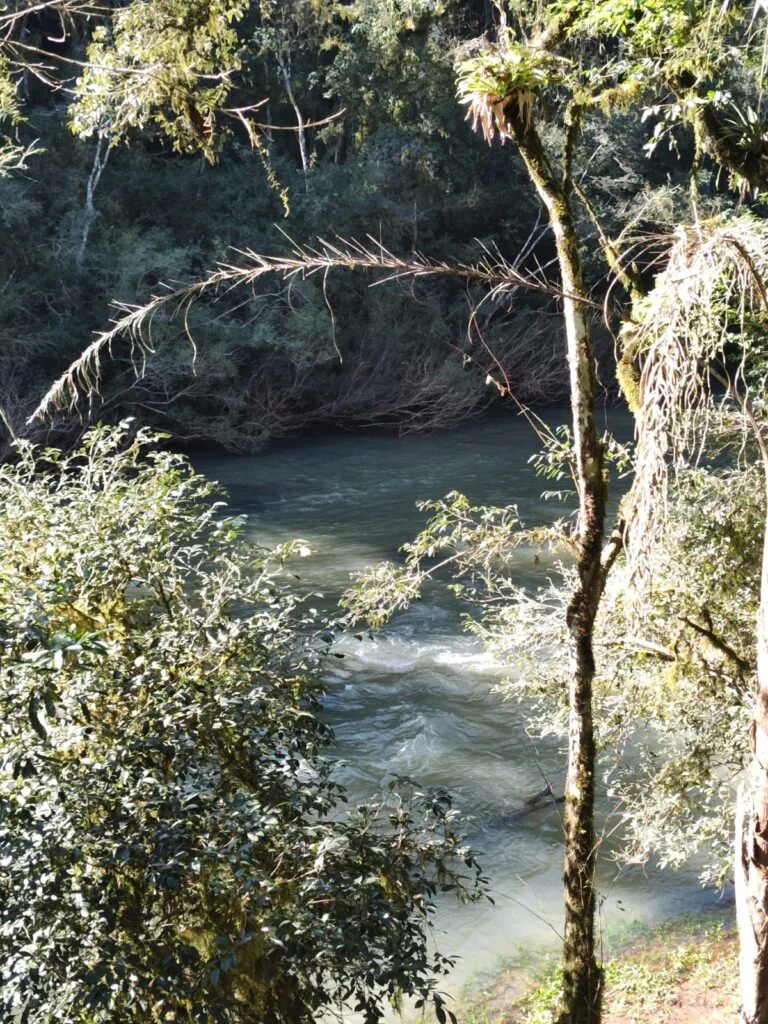
“The proposal is for people to live in the rainforest”, said Alberto, inviting guests to enjoy the place with a full board, and a customized service in the 5 geodesic domes nestled within the rainforest. Each dome is equipped with single and double sized beds, a full bathroom, a living room, and a deck that invites you to enjoy the view of the Paraíso Stream. 

In addition, Tamanakuna offers internet access in each dome and the multipurpose room, a parking lot, a lobby bar, a playground for children, and small private beaches along the Paraíso Stream. 

Website: https://tamanakuna.com.ar/es/inicio/ 

Instagram: @tamanakunaglamping 

Phone and WhatsApp: 011-4474-8722

.-.-.-.-.-.-

Traductores José Roa, Daira Dos Santos, Agustina Cusoilito, Valentina Mior y Rosario Maciel

Tecnicatura Universitaria en Traducción e Interpretación en Inglés – UCAMI

Correo: c.extension@fch.ucami.edu.ar 
Compartí esta noticia !

“There are great opportunities for sustainable tourism in Misiones”

Compartí esta noticia !

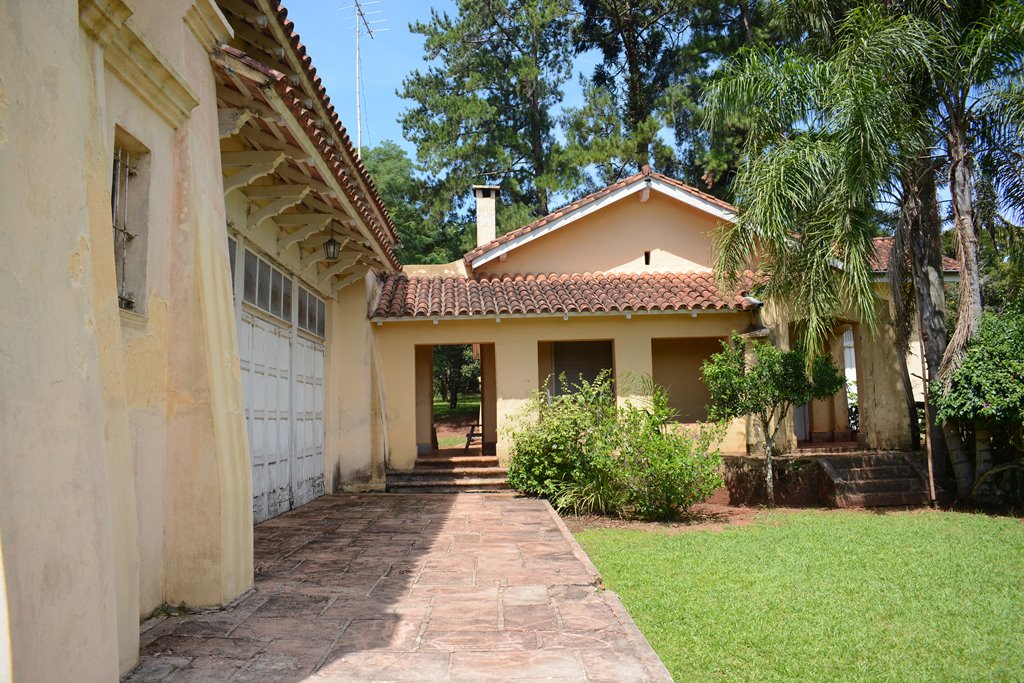
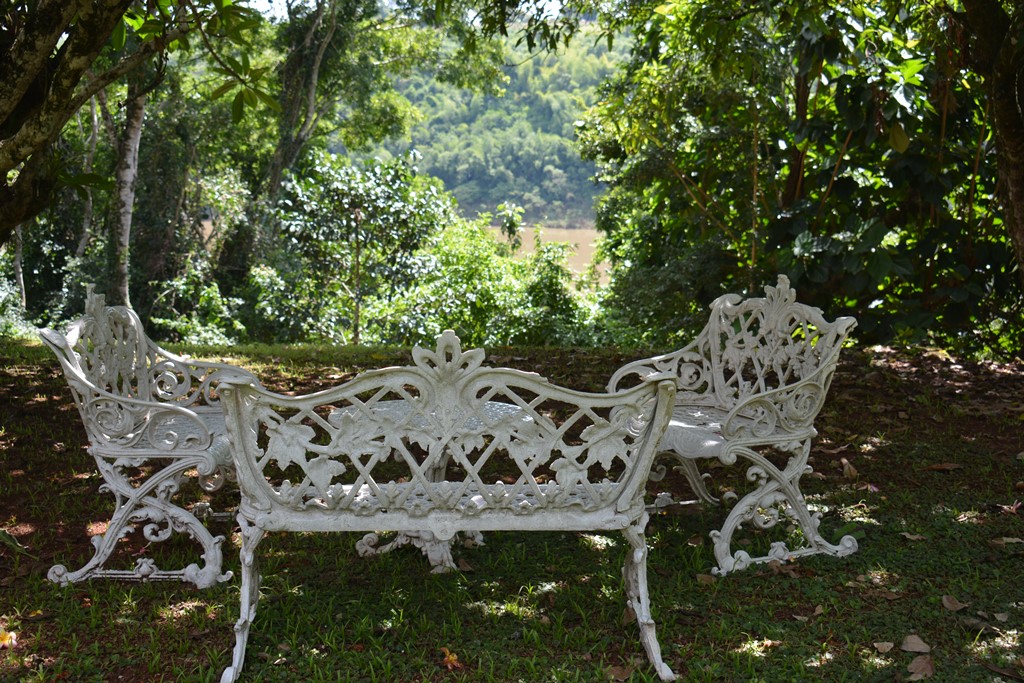
The quietness of the Misiones rainforest in the early afternoon is much more deafening in the Paraná riverside, where the rainforest extends beyond the horizon. The lookout points humble the onlookers further when they bear witness to their smallness amidst the green wilderness. Posada Puerto Bemberg is an oasis of relax and inspiration. The lodge and its surrounding area constitute a piece of history of Northern Misiones and one of the few remaining lands with preserved rainforest in a region surrounded by pine forestry. These are the distinctive secrets that make it a place to be seen: the more demanding tourists will be able to feel the caress of the rainforest and the incessant flow of the Paraná River, while enjoying high quality services akin to a first-class hotel. Additionally, the lookout point allows one to gaze at the infinity of the rainforest and the perennial calm of the Paraná River.

Juan Manuel Zorraquin is an heir of the Bemberg family which settled and owned the area during the early 20th century. He is looking to recover that pioneer’s mindset but with a different approach: sustainable tourism as a way to contribute to the economy, especially through creation of job opportunities. He loves discussing the history of the place, which he got to know as a child during a family escapade and, now as an adult, was able to keep due to a million-dollar purchase-sell transaction. The Bemberg family brought modernization to the land where they founded Safac, a yerba mate business that provided electric power, running water and electromagnetic telephones. Nowadays, yerba mate has mostly been replaced by pines in the area.

Since 1925, the Bemberg family has played a key role in the history of Puerto Libertad and other neighboring towns: In the year 2000, the Safac firm was sold to Argentinian business group Pérez Companc and to Alto Paraná de Chile (now called Arauco), which took over 1249 and 4320 hectares of land respectively. Then, Alto Paraná acquired the percentage own by the Argentinian family holding and the Bemberg emporium was reduced to a reserve of 400 hectares, where the lodge was located and later recovered, thus, becoming an opportunity for rainforest lodge tourism in close proximity to the Iguazú Falls. 

There are numerous activities for visitors to do during their stay such as rainforest trail hiking; bird and autochthonous fauna watching; visiting natural waterfalls; sailing in the Paraná River and going on mountain bike excursions to visit the amethyst and gemstone mines. One of the main attractions is the plant nursery which, thanks to its wide variety of native species, is considered to be the most important one in Misiones. Moreover, it is an essential part of the native species reforestation project and invites guests to contribute to it by planting a new tree within the reserve. Additionally, and to liven up the visitor’s stay, Posada Puerto Bemberg offers a number of rooms and areas that fuse seamlessly with the surrounding rainforest, such as the Lookout Point, the Pool, the Bemberg Residence, the Chapel and the Museum. 

Posada Puerto Bemberg is a rainforest inn with 14 rooms to accommodate 30 people in total and an intact history since 1924, offering full board accommodation including activities or, alternatively, half-board accommodation. One of the goals of Zorraquin is to include the lodge in the Puerto Iguazú Circuit. He is fine-tuning some details in association with Cuenca del Plata, which should provide him with a substantial increase of visitors to drum up his business. Zorraquin is convinced that tourism must become sustainable and that things must change from “preserving the rainforest” to promoting the rainforest as a trademark all around the province and not exclusively around the Falls.

Zorraquin, a 39-year-old businessman, is one of the most committed with tourism. He claims “I think there are great opportunities of sustainable tourism for Misiones. It is important that we seek the possibility of translating that into concrete activities and guidelines so that more businesses can flourish because there aren’t that many nowadays. Besides, the ones that do engage in these kinds of activities do so because of philosophical convictions, not because of profit. We need to leave behind the altruism of people, associates and landowners; there has to be a major incentive, something beyond market demands.” Zorraquin warns the offer volume is not yet profitable for aiming at international markets. On the other hand, he considers the possibility of aiming at national markets more adequate.

He explains that “It is a market with certain principles and inclinations towards environmental and social issues, in other words, it has a character of its own. This can be observed when foreigners visit Argentina and can define what accommodation they choose or what agency they hire to organize the trip. This doesn’t happen in Argentina yet, because people choose depending on the price. People consider the price in addition to the regular services that the business may offer. That is how the Argentinian market works today…

Can businesses change that mindset?

Yes, I believe so. That is how it works, businesses decide what to sell. The thing with tourism is that people buy only what is offered to them. The business offers products and services, but the decision of what to buy ultimately lies on the guest or tourist. There are of course different trends that come into play as well, such as major travel agencies, wholesalers, business operators. Nowadays, internet is another major factor. These two variables are the main ones that are taken into account since they are considered to be effective and largely influential.


But should Misiones markets focus on a new paradigm beyond Iguazú?

I do believe there are opportunities in there. If you tell me ‘What are these opportunities?’ Let me tell you I just arrived from El Soberbio and we rack our brains trying to come up with ways to improve the business because that is the crux of the matter: how can we improve the destination in order to compete with another, like Iguazú, or make it a complementary destination. We need to take inspiration from international destinations: Costa Rica, Africa, Southeastern Asia. That’s how you can make a difference.

What is it lacking?

Firstly, a better commitment towards entrepreneurship in the sense of increasing education on the importance of sustainability. This concept is usually understood as an environmental notion related to energy efficiency, waste and water usage. Of course, it includes some of that, but in reality, it goes beyond that: it means having legally registered employees, generating community commitments, ensuring that profit benefits these communities. Thus, there is a lack of education. What is more, there is lack of incentives from the state, whose job should be encouraging businesses to engage in this activity: ‘Why will you do it?’, ‘How much profit can you get from it?’ None, at least not in this current state of things. I believe a halfway standpoint is the way to go. There will be legislation at some point, certain standards that will have to be duly met. We’re halfway there, but I think it will happen in ten years’ time. However, in order to reach that point and not to fall behind (because Argentina has fallen behind and Misiones is barely starting), and though we have already kicked off, I think incentives from the state would be ideal.


But the state is always promoting tourism…

No, it has to go deeper than that. It feels as if there is a disconnection between the state and private entities. I mean, they never consult businesses about how they want their products to be promoted; it is more like: ‘I’m doing this, are you in or are you out?’ I think the fault lies in that.  There is quite a lot of synergy, since much about sustainability was first promoted by the state when it brought the concept to the negotiation table thanks to the creation of the Secretariat of Ecotourism.  That was just the first step. But this has to be something massive, in different areas and destinations around the province. It is unacceptable that environmental practices only take place in Iguazú and not in the rest of the province, although there are two qualified hotels in El Soberbio and one in Salto Encantado. However, and aside from those, businesses lack proper training and support. There is not enough qualification because everyone thinks tourism is simple, like just building rooms or driving an own taxi. That view is misguided because tourism is not that simple. It is a science; it has many issues that have to be solved, furthermore, it is complex because of the need to understand the market, which changes constantly. A big deal of efficiency, conciseness and consistency is required in order to reach international markets, and that is not so simple. The Falls do attract a big deal of tourists, but…

Juan Manuel Zorraquin, CEO de Puerto Bemberg.

I was talking to another businessman, and he told me that Puerto Iguazú was bursting with people during Carnival weekend, but that tourism is not doing so well, why the contradiction?

What happens is that you are receiving an incredibly large amount of guests, but none of them are returning and their stay is a short one, thus, your profit volume could be larger and stronger and really impact the whole province, but that is not happening here. So, there is an error in the system because this issue has been discussed for thirty years and it still goes unsolved. If Iguazú is inclusive and offers tourists different experiences, and if some of them include the concept of rainforest for example (which is nowhere to be found in Iguazú) that could spiral into a larger development in Moconá, Salto Encantado. The San Ignacio Reductions connection with the Guaraní and the relation between the Guaraní and the Jesuits and their relationship with the yerba mate, hence, the Yerba Mate Route also represent a staple of the province which is non-existent in terms of tourism. A sort of domino effect could be generated in Iguazú, as the main international destination, which could then ‘drag’ tourists into a developed internal route throughout the province, not to mention the Iberá wetlands. Misiones counts with an untouched, unique natural resource. Nowadays, there are not even land connections whose 800-dollar construction costs are impossible to afford. These are the potential effects that are not taking place in the Iguazú destination. The casino is the only thing being promoted with its own advertising, and the Duty Free Shop or larger and stronger companies that have enough power to afford it.

How are things in terms of infrastructure?

Routes 40 and 41 in the Iberá Wetlands are finally being graveled. It has been an issue for at least fifteen years, and I think that will help a bit because the routes were impassable. You cannot expect to sell a product that cannot be reached by anyone. It would be a great opportunity for Posadas, but we need to focus on what type of clients do these services attract, what profiles can be identified and what is being offered. I say this because the hotel sector in Posadas is barely developed: Maiteí has improved a bit, but hasn’t yield significant results so far, and Julio César could well use some modernizing. To put it briefly, we are in no condition to receive more tourists. So, how to bake a bigger cake? It would affect the whole province and it is something businesses in Iguazú never stop thinking about. When discussing tourism, Iguazú is always the only destination, not Posadas. That is the reality; Iguazú plays the central role in Misiones tourism. The issue has always been that businesses that are not in Iguazú don’t receive as many tourists as those in that destination, i.e., like a sort of threshold. While the National Park’s income has been growing every year, it is simply the result of Argentina’s population growth. I don’t think there is an exponential increase yielding genuine results. There was a significant change in 2002 and 2003 with the exchange rate and all of that, yes. The Seven Natural Wonders thing also helped, but that was not thanks to businesses. I see nothing new, not a single new product, and I have been living here for nine years. There are no rainforest activities, nothing at all.

How do you feel about the arrival of new competitors such as the Chilean business Awasi and Ali Alwardy to Meliá?

They are two very different products, and that is something I support because Puerto Bemberg is a small business, with a lodge concept that differs from other hotels and I think it is beneficial because it will help us compete a bit better with the arrival of Meliá, and compete a bit better with the Falls. There are two ideas and Argentina will be seen in a new way thanks to the advertising they do around the world. So, by default, the system will look for Meliá, which is located in Argentina, and there are certain tourist profiles that will be looking for that and other related services. There will be a domino effect, in my opinion, but with a more indirect impact. On the other hand, I celebrate the arrival of Awasi, truly remarkable, because they have been present in all the right fairs and will put the destination back into the menu, they will do everything they can to sell. Around 95.99% of agencies do not promote Awasi because their client profile is not quite what they look for, but anyone interested in Awasi will also be interested in other related products. That is where the benefit for other businesses and products lies, both for businesses around the 600 neighboring hectares or in the interior of the province, like in Moconá.

Should everyone stop thinking at a small-scale, that is, only about their own businesses?

Everyone should think jointly, as a single destination, that is the issue with businesses today. They must position their brand considering current sustainability issues and changes that are taking place. Businesses will end up going broke if they go about selling in the traditional way. Sustainability ensures stability, there could also be some management factor involved if it works for them, but not that much. Moreover, the client profiles have a higher purchasing power, and not only do they decide based on prices, but on business practices, their relationship with the community and the experiences they provide. People come to hotels looking for an experience, therefore, hotels must be first-class, the same is for gastronomy because those two factors constitute the indisputable baseline. However, there are additional aspects that must be considered: the relation between businesses and guests, the rainforest and cultural experiences as well as local gastronomy experiences, that is what matters in the end. All products must be promoted as sustainable.


And Misiones must be the product…

It has to be Misiones. Puerto Iguazú is the destination today, and the absolute absence of tourism in Puerto Libertad, 40 kilometers away from Iguazú It is ludicrous that there are no local businesses interested in developing tourism, and no local government has ever had a firm grasp on the concept of tourism. Likewise, no one has ever looked beyond the triangle of the Puerto Iguazú Airport, and the Foz do Iguaçu Airport. There are thousands of awe-inspiring destinations around the province that could allow Misiones to become a global destination. There are the Jesuit Reductions, farmhouses around the Moconá Falls, the Yerba Mate Route, hidden waterfalls everywhere, and the Iguazú Falls. In this way, when going on a five-day trip, the destination chosen could be connected to the Iberá Wetlands for ten additional days. It would be an alternative to more traditional destinations like Buenos Aires, Salta, Mendoza or Iguazú; maybe the new tendency could be Buenos Aires, Corrientes and Misiones. The circuit could include nature, culture; there is a very rich culture in Misiones, and it is all connected to sustainability. It is incompatible to talk about cultural and social issues yet offer experiences in the traditional way. There are some businesses genuinely taking action, hotels as well. However, many others cannot see the benefits, are not interested or do not deem it profitable today since there is not enough income involved, nonetheless, that does bring other economic benefits. I think that is the solution for the province.

You talked about education, how are things on that end? 

Well, I am directly involved in that area. For example, I’ve closely followed the Tour Guide training of the ITEC in Iguazú, and there is no qualification regarding sustainability, not a single subject about the issue. This global concept is a requirement; as an example, waste management practices will be necessary at some point, people just don’t see that because we have plentiful of space. But this is true not only for environmental issues, but for social issues as well since tourism can be depleted and can run out in Iguazú. There was a rather large period without tourism, then a large tourism wave came swept the region and now things have been thriving for fifteen years. However, this resource eventually runs out, so businesses either reinvent themselves or risk tourism disappearing completely. For instance, the main avenue of Puerto Iguazú is gorgeous, but visiting the rest of the city is a life-threatening experience that must never happen. It is not well organized, and it is something that must be dealt with in a near future. I believe there is an opportunity to market Misiones as a product about nature and developing products related to nature and culture and Iguazú should be the icing of the cake, the main attraction.


What you are saying about depleting tourism is concerning…

There was no diversification into new markets, businesses stopped selling, insecurity is starting to take hold… During a crisis, tourism comes to a complete halt. As a leisure activity, it is the first thing people stop spending money on when they lose purchasing power. A crisis impacts travel and tourism very hard. Similarly, there are insecurity issues caused by mismanagement as well as waste disposal issues, garbage filling the streets which people can bear no longer, national tourists stop coming, and finally, low peaks may be experienced. Some businesses always do well, but that causes others to go out of business, which at the same time leave people without jobs and a whole social issue starts.

In other words, businesses within the 600 hectares can do well…

There are around 20 hotels, then there are formal businesses like hostal lodgings and cabins, though 70% of businesses in Iguazú are informal in nature. That issue is also related to sustainability. Sustainability is directly linked with economic issues related to complying with local regulations, having reported employees, complying with contributions, rules; it is not just about the environment, there are hundreds of other issues as well. Sustainability is not possible if your employees are not in the payroll, or without adhering to regulations or without proper business permits.


Are business costs in Argentina high?

Much too high. The same employee, with the same qualification and years of service costs 1500 dollars in Argentina and 970 in Brazil. It amounts to 500 additional dollars in fixed labor costs. For every dollar that an employee, a collaborator, receives, the state takes 0.54 cents as union costs and other who-knows-what. For every dollar, 54 cents are paid to someone else.


So, salaries are not even that high, hidden costs are the actual problem…

No, salaries are alright, but it forces businesses to adjust their increasingly narrow net profit margin. Since our tariff is in dollars, any increase in the exchange rate is beneficial, but due to inflation rates and increasing salaries, there is no increase in profits, thus, it is a bonanza that lasts a single month, it is not real. In addition, the exchange rate has always been falling behind for years, so labor costs are very high. It would be ideal to be able to pay higher salaries. All of this is the result of an increasingly progressive Argentina that rightfully tries to “protect” but that ends up limiting the scope of businesses. Then there is Brazil over there which has 1600 rooms and Argentina does not. Brazilian businesses may make less profit, but can afford more because goods and services are less expensive, and social charges hover around 12% compared to 70% in Argentina. There are fourteen rooms in Puerto Bemberg that are ready to welcome the more demanding tourists who know how to appreciate nature. The lodge is managed by 18 local young people that live in Puerto Libertad.

What is the origin of your passion for what you do?

I am a professional lawyer, but I then specialized in environmental issues. I’ve always been interested in nature. Not sure when it started though, in the Corrientes countryside perhaps, but I have always had a special bond with nature.

And you have a political commitment as well…

I ran for major once and I will probably do it again in the next elections because I think Libertad deserves and needs real development, it needs to create new jobs and I am thoroughly involved in social assistance activities. I help by cooperating and participating in different foundations. We work as a team, we are a team and we are committed to this cause and we want to carry it out. The Libertad community is quite modest, with low incomes. I find that to be strange, but I think it is because of the way the town was developed. There were always providers like Safac, Pérez Companc, Alto Paraná; a sole company that provided most of the jobs and that provided the town with everything. That changed with Arauco,  mostly for worse, because it had a very different business model. Then the municipality stepped in to satisfy those needs, so the private sector in Libertad is very small. Alto Paraná caused some social dislocation because they trained engineers in Puerto Esperanza, opened production plants and forestry managements in Wanda, but they trained machine and chainsaw operators in Libertad. So, when you go to Esperanza or Wanda, some of the people that used to work for Alto Paraná became freelancers and created their own jobs. This did not happen in Libertad. The town needs to change for good. I would like the town to develop into a sort of Tourism Village, similar to Bariloche and Villa la Angostura or Pinamar and Cariló, nothing too fancy, but with an idiosyncrasy of its own; a town that takes advantage, values and prints its own mark on something that is lacking in Iguazú. Contributing to tourism means contributing to everything: rising land values, decreasing the overcrowding in Iguazú. In this way, everything contributes to a general development, and I believe the municipality is the best place to start. 

…………………………………..

Traductor: José Roa

Revisor: Griselda Seewald

Tecnicatura Universitaria en Traducción e Interpretación en Inglés

UCAMI – Universidad Católica de las Misiones

Compartí esta noticia !

San Sebastián, where the Misiones Rainforest is reborn

Compartí esta noticia !

When he was a kid, he didn’t want to be a first-division footballer or an astronaut; as a child, he dreamed of having his own national park. At eleven, he took his first adventure trip and the next year, Patagonia welcomed him again with open arms. His connection with nature was never broken and young Matías became a nature photographer, a profession that he still enjoys like the first day. This gave him the opportunity to travel around different places in Argentina, looking for the perfect picture of a bird, a snake, or a mountain lion in the cold south. Twenty eight years later, slowly but surely, in the Misiones rainforest, Matías Romano made his childhood dream come true.

While the world is courageously fighting against wildfires in the Amazonas rainforest or the environmental disaster in Australia, in a remote corner of Misiones, Matías leads an unprecedented process to regenerate the Misiones rainforest by growing native species. There is no other similar initiative in this province. Maybe the rewilding done by Conservation Land Trust in the Iberá Wetlands resembles it, although it is focused on fauna rather than flora.

A while ago, Matías came to Misiones as a nature photographer, and he was impressed. Then, he arrived in Andresito, where a friend of his had bought a farm, and as the saying goes, the red soil stuck to his skin.

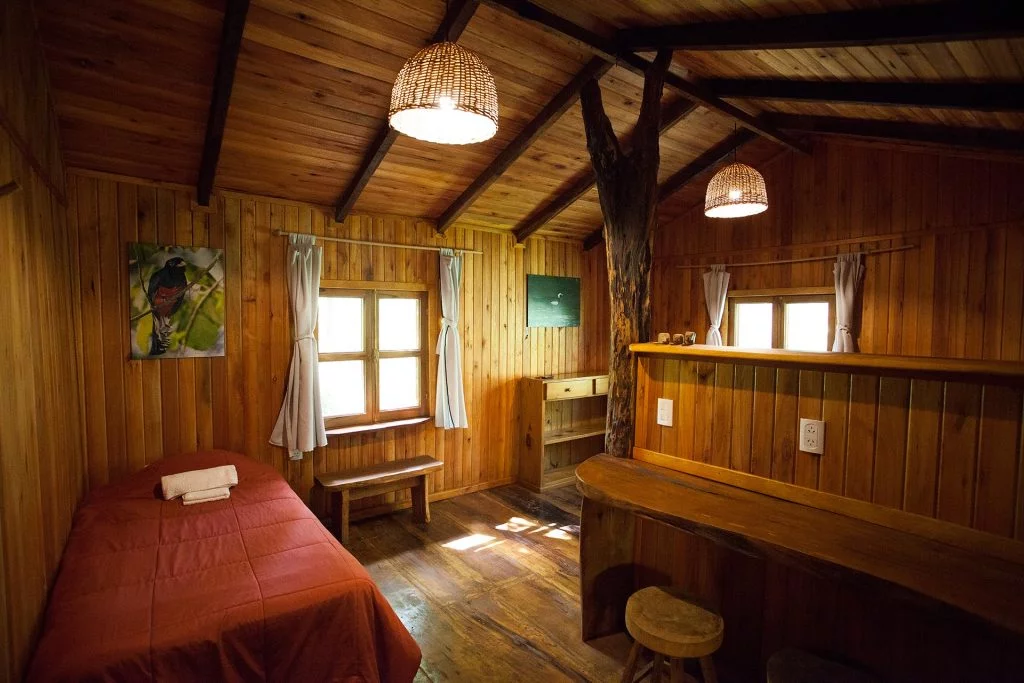
He first partnered up with his friend, and later he ended up buying San Sebastián de la Selva, a farm of almost a hundred hectares, wedge-shaped, located in a large portion of the Misiones rainforest, in front of the Provincial Park Urugua-í and next to Foerster Park. It was located thirty kilometers away from Andresito and a little over four hundred kilometers away from Posadas. 30% of the property was a scrubland reserve and the rest was pasture for livestock. The large central hull of the farm mutated into a lodge; they added cabins, and a huge lake offers a unique sunset view.

But, despite having studied hotel management and tourism, Matías didn’t come from Buenos Aires to run a hotel. His connection to this place was much deeper and although the lodge attracted visitors from all over the world, he was more ambitious: he decided, tentatively at first, to regenerate the rainforest with which he had fallen in love.

A story is helpful to appreciate the transformation: one afternoon, some neighbors who wanted to fish on the lake visited him. People used to do it all the time, but it wasn’t allowed anymore since the property became a reserve. The disappointed fisherman reprimanded him: “This place has been completely neglected, it’s full of high weeds.” Nature was starting to regain its space little by little.

The hotel, with space for 20 visitors, is far from being neglected; it just received a score of 9.4 out of 10 from tourists who arrived through Booking, who praised, above all, the hospitality.

Matías soon understood that it was not enough to let nature do its work. The old paddock, rammed down by the weight of the cows and with abundant pasture, slowed down the growth of the newly planted trees. Referring to the high grasslands, he explains: “We are competing against an exotic species without using agrochemicals.” That’s why he decided to improve the planting technique; he removed the soil and incorporated a geo-referenced tracking of each new tree.

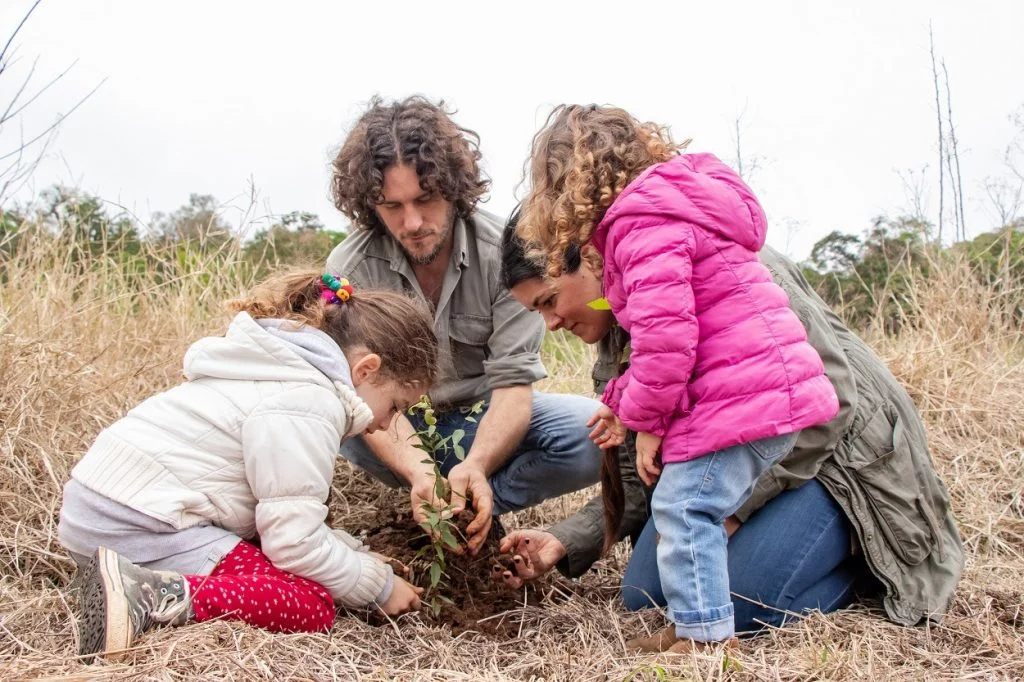
With the help of the Vida Silvestre foundation and about fifty volunteers, more than seven thousand native species seedlings were planted, including palm hearts, anchicos, cedar, guatambú, lapachos and rosewood.

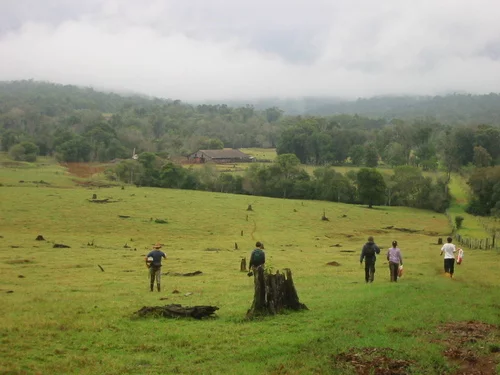
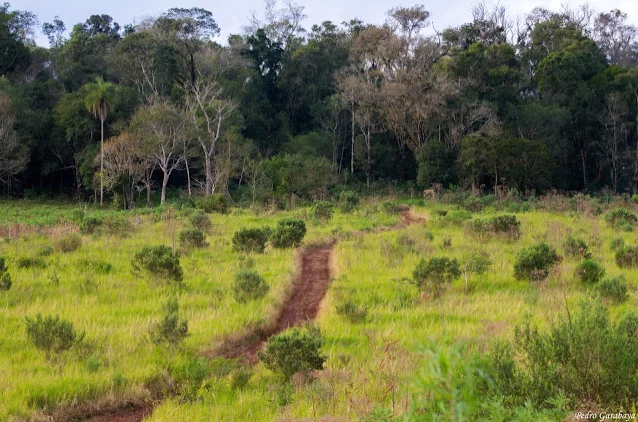
The extensive meadow from seven years ago now exhibits patches of various shades of greens with growing trees, from a few centimeters high up to about two meters for the sturdiest ones. The images show the magnitude of the transformation, and the contrast between the before and after is shocking.

Matías comes from Buenos Aires and stays here one week per month, but he knows each hidden corner of the property better than his partners. He gets excited when he finds a tree of azota caballo – with seeds and birds’ nests among the branches. In an interview with Economis, he explains: “This has a huge share of passion; it’s not a “business”, it is maintained. As I dreamed about having a national park, it gives me something else in return, not only from the economic point of view. But we are facing a strong change in nature and alternatives will emerge to make conservation more business-like, or at least to balance the scale.”

He exhibits a methodical knowledge of each species, its evolution, when they were planted and which effects they will have on the environment. In 2020, he expected to exceed the volume of planted trees.

How did the idea of environmental regeneration come about?

The idea came about after realizing that we were at the center of a biological corridor between Urugua-í and Foerster. It was a gap in need of regeneration, a piece of the puzzle. At first, we thought it would be a spontaneous process, because the scrubland regenerates itself. We didn’t consider planting extensively or monitoring, but it takes a long time for the pasture to regenerate, due to the compacted soil. We have already planted between five or six thousand trees with the Vida Silvestre foundation. For the first few years, we didn’t keep an exact tracking; we were planting, and we had no plans to monitor the best species, the ones that adapted the best or grew faster. We realized over time that it’s important to have the necessary data and to know how it evolves, because this implies a great effort, and we have to know which are the best species for the environment or which are those which better adapt to it. I would recommend this to anyone who wants to start such a project. Data gathering should be as important as planting itself.

The young conservationist also seeks to engage more neighbors. He reflects: “Our agriculture is done at a family-scale, and it is very close to the scrubland. We are surrounded by nature, and we are in front of the Urugua-í Park, which creates a favorable environment for conservation. Argentinians must be the first ones to support this, and citizens from Misiones must embrace nature.”

Far from being a dreamer, Matías shows himself to be a pragmatic decision-maker who avoids easy complaints. He states: “Things change when all conditions for change are met. It won’t happen if we only complain, we must work to generate these conditions.”

The first trees were planted around the time when his first daughter Bahía, who is now six and a half years old, was born. Mayka is three years old. Malu, his wife, plays a central role as emotional and family supporter, sometimes on the field, sometimes at a distance. He confesses: “I wouldn’t be able to do anything of this without them.” He wants his legacy to be the complete regeneration of the rainforest, and he wants his daughters to inherit his passion for nature and conservation.

This year, he will launch another step on the rewilding of the rainforest. A paca and agouties farm is being built next to the hotel to repopulate the area and to restore the natural balance thanks to their role as seed dispersers.

They can also attract larger predators that have not yet been captured by camera traps, such as the yaguareté, which dominates the territory in the Urugua-í Park and the Iguazú National Park, but seems to be reluctant to use the eco-pipeline which crosses over Route 101, at the very entrance to San Sebastián.

Capybaras are already present in the reserve. They benefit from the lake and walk comfortably among the visitors. But the local kings are the birds. All species of toucans paint the sky with their colors. Magpies, woodpeckers, blue manakins, ducks and small birds add music to an atmosphere that is steadily and relentlessly returning to better times.

………………………….

Traductor: Valentina Mior

Revisor: Pilar Peyrano

Tecnicatura Universitaria en Traducción e Interpretación en Inglés

UCAMI – Universidad Católica de las Misiones

Compartí esta noticia !

Categorías

Solverwp- WordPress Theme and Plugin