Wanda Nara volvió a ser noticia, pero esta vez no por su trabajo en televisión ni por sus emprendimientos, sino por su elección de destino. La empresaria decidió pasar el fin de semana largo en el corazón de la selva misionera, donde se hospedó junto a sus hijos en el Pristine Luxury Camps, un innovador complejo ubicado en la reserva de Puerto Bemberg, a orillas del río Paraná y a solo cuarenta kilómetros de las Cataratas del Iguazú.
En sus redes sociales, la conductora compartió imágenes de su estadía: mates, caminatas entre los senderos del monte, baños en arroyos -el mismo lugar donde alguna vez filmó la mítica Isabel Sarli- y momentos de descanso frente a la inmensidad verde.
El Pristine Luxury Camps es mucho más que un alojamiento: es un concepto de lujo regenerativo que conjuga confort, sustentabilidad y desarrollo local. La inversión, de más de dos millones de dólares, se refleja en cada detalle sutil: estructuras de madera certificada, tonos naturales, techos de paja, amplios ventanales y luz natural desde todos los rincones.
Cada una de las seis cabañas —que se ampliarán a diez en 2026— está diseñada para ofrecer privacidad absoluta. Desde las tinas con vista al río hasta los jacuzzis y piscinas exclusivas, todo está pensado para una conexión profunda con la naturaleza. No hay televisión: la contemplación es la gran protagonista.
Por cada turista que se hospeda, el lodge reforesta diez metros cuadrados de selva, con lo que se estima que para 2025 se habrá regenerado el doble del monte utilizado en su construcción. Además, el complejo impulsa un modelo de quíntuple impacto, que abarca la regeneración ambiental, la eficiencia energética, el consumo responsable, la economía local y la formación de capital humano.
De hecho, los 38 trabajadores del hotel son jóvenes de Puerto Libertad y pueblos vecinos, capacitados en una escuela de hotelería propia. La empresa transformó el histórico Hotel Roca en un centro de formación intensiva, con el objetivo de profesionalizar a la comunidad local.
Un refugio todo incluido, en armonía con el entorno
El hotel ofrece un servicio all inclusive con gastronomía de autor, piscina infinita frente al Paraná, paseos en lancha hasta el Salto Yasy y excursiones en e-bikes por la selva. Su programa “Basura Cero”, la huella de carbono negativa, el uso de energías renovables y la compra de insumos kilómetro 0 refuerzan su compromiso ambiental.
Wanda Nara, con su visita, no solo disfrutó de un entorno incomparable, sino que también ayudó a visibilizar este modelo de turismo regenerativo que posiciona a la selva misionera como uno de los destinos más sofisticados y responsables de América del Sur.
asasJuan Manuel Zorraquín, propietario de Puerto Bemberg y del lodge de lujo Pristine Luxury Camp en Puerto Libertad, advierte que fue un mal año para la actividad por el aumento de costos, la caída de la demanda y el tipo de cambio que no favorece la actividad.
“En términos económicos, el dato positivo fue la baja de la inflación. Sin embargo, el estancamiento del dólar oficial nos afectó negativamente”, afirma Zorraquín. Explica que, al estar en una industria dolarizada, donde las tarifas se manejan en dólares mientras que los costos son en pesos, la falta de ajustes en el dólar oficial implicó un aumento relativo de costos en términos de esta moneda. “Esto se tradujo en una baja de la ocupación y una facturación menor en términos reales comparada con la inflación.”
El impacto económico también afectó los planes de inversión de la empresa. “Este año no hicimos inversiones nuevas; teníamos planificadas algunas, pero decidimos posponerlas para el segundo semestre de 2025. Queremos esperar a ver cómo avanza la situación antes de decidir cómo y dónde invertir.”
En cuanto a la estructura laboral, Zorraquín destacó que, a pesar de la baja ocupación, mantuvieron la nómina de empleados. “No hicimos contrataciones nuevas ni despidos. Nuestra estructura está pensada para atender un hotel con un 60-70% de ocupación estable, pero la realidad es que fue mucho menor este año. Aun así, decidimos sostener al equipo.”
“Puerto Bemberg tuvo un año complicado. La ocupación cayó alrededor de un 30% en comparación con 2023, lo que lo convierte en un mal año para nosotros“, comentó. Esta tendencia, según Zorraquín, refleja una falta de reactivación en la demanda turística en general. “No vemos signos claros de una mayor demanda para el sector en el corto plazo”, detalló en diálogo con Economis.
Zorraquín anticipa un primer semestre complejo para 2025. “Estamos entrando en la temporada de verano, que es alta para Iguazú, pero los números no son buenos. La mayoría de las reservas se hacen a último momento, lo que genera incertidumbre y dificulta la gestión”. También subrayó la necesidad de que el sector trabaje en reducir los costos estructurales e impositivos para ser más competitivo.
“El próximo año será mediocre si no hay cambios significativos. Las empresas del sector deben enfocarse en optimizar sus estructuras de costos, ya que depender solo de ajustes de tarifas no es sostenible en este nuevo contexto. Necesitamos incentivos para las pymes, no ayudas, sino mecanismos que fomenten la competitividad.”
“El desafío principal es adaptarse a esta nueva realidad. Estamos trabajando en ser más eficientes para evitar pérdidas y sostenernos en el mercado. La clave será una mayor planificación interna y la implementación de estrategias que permitan enfrentar esta etapa de incertidumbre”.
Juan Manuel Zorraquin está en medio de la estepa patagónica. Allí, en El Calafate, abrió sus puertas el tercer módulo de Pristine Luxury Camp, un concepto hotelero que combina los servicios cinco estrellas con la rusticidad de una cabaña en contacto con la naturaleza. El primero fue en Salinas Grande, el segundo en Puerto Libertad y la trilogía se completó con Santa Cruz. Un cierre de año ideal en materia de inversiones para el empresario que también es dueño de Posada Puerto Bemberg.
“En lo personal, bueno fue un muy buen año, porque lanzamos esta empresa nueva que se llama Pristine. Yo soy parte de esa empresa. Tuvimos dos aperturas este año, una remodelación y ampliación del otro. Es un proyecto buenísimo, con una inversión enorme. Iguazú fue todo un desafío, estuvo muy bueno y la verdad es que el lugar está espectacular. Hay muchísimas perspectivas, pese a la coyuntura que fue muy compleja”, explica.
¿El turismo ya recuperó toda la dinámica de antes de la pandemia?
Para mí todavía no se recuperó. Hay problemas de conectividad, vuelos que se perdieron y todavía no se recuperaron. Un mercado que no se recuperó al cien por ciento, que es el mercado europeo, norteamericano de alto poder adquisitivo, el que busca experiencias únicas y era como muy selecto de la Argentina, todavía no está al cien por ciento. Se recuperó un montón, está claro. Cada año va recuperándose. Pero todavía falta un poco. Uno lee las métricas, ve las estadísticas, ve todos los datos que se hacen, de los organismos especializados en turismo y hablan de una mejora del turismo internacional. Pero hubo un intercambio, se suplió la demanda. Por ahí no incorporan Brasil y Paraguay, pero sí incorporan a Chile y Uruguay, como parte de la nueva estadística. Y suplen con eso la falta del mercado norteamericano y europeo. Entonces, ves los números y sí, hay un turismo internacional mayor, más allá de los pasos fronterizos. Hay una mejora a nivel internacional, pero se suplió la demanda. Vino otro turismo, el chileno, que no había en Argentina, el uruguayo que no existía en Argentina. Y sí se recuperó mucho Brasil. El sur patagónico, tuvo una alta demanda de brasileños como en la prepandemia o mejor, porque también estamos muy baratos para ellos. Y después el destino internacional de Europa todavía no, y bueno, para ellos somos un destino caro, más allá de esta diferencia del dólar. Entonces, se suplen. Después lo que pasó también, es que hubo un cambio de la demanda muy interesante por esta cuestión de la coyuntura, ese argentino que por ahí prefería viajar al exterior y ahorrar, y hacer sus vacaciones fuera del país, lo empezó a hacer en Argentina. Y para ellos hay muchos destinos, encontró que está buenísimo, no es una cuestión devaluada de: ‘Me quiero ir y no tengo otra’. Descubrió que en Argentina hay destinos que son espectaculares, que tienen un alto estándar, que es una excelencia en servicio. Y que tenemos un país maravilloso, eso también pasó. Es como que pasaron varias cosas y cuando pasan estas cosas que son disruptivas, como una pandemia, que la verdad que fue un cambio hasta cultural, generó algo nuevo. Hoy tenemos muchísimos argentinos y a nosotros nos pasa, que abrimos dos hoteles, este es el tercero, donde nuestra mayor demanda es argentina, a pesar de que estaba apuntado para otro público. Cuando se proyectó estábamos pensando en el mercado internacional, extranjero de alto poder adquisitivo y la realidad es que hoy el 80% de nuestro público es argentino. Obviamente se empezó a recuperar el mercado extranjero, porque empezó a haber más demanda para este verano. Por ahí esta conversación la tenemos en marzo y te digo que sí.
Que fue una buena temporada…
Claro, pero cambió también en los procesos de reservas. O sea, el turismo es como una bicicleta financiera casi, vos vendés a futuro y gastás el futuro hoy. Y depende de las ventas, armás todo el circuito. Lo grave en la pandemia es que se cortó eso.
¿Cómo te ha ido con este hotel nuevo? El Luxury que es un producto premium dentro de la provincia ¿Cómo te ha ido en estos meses?
Nos fue muy bien septiembre y octubre, después la crecida (del río Paraná) nos asustó. El río llegó a los pies. Teníamos la cota a 30-80 y llegó a 30-80. Estábamos con miedo, la verdad que nos asustó, hace como 20 años no subía así y eso hizo que por precaución cerremos dos semanas. Entonces, en noviembre también tuvimos que hacer ajustes, cuando hay una apertura, hay detalles en la obra y demás que corregir, y aprovechamos para eso. Nos fue muy bien los primeros meses, hay muy buenas perspectivas para adelante. O sea, la segunda quincena de noviembre y la primera de diciembre fue rara, es extraño porque tenemos plena ocupación los fines de semana y muy mala ocupación durante la semana. Pero, después del 15 es más pareja la demanda. Y las repercusiones son muy buenas, creo que el destino necesitaba algo así. Como te lo digo, en El Calafate pasa lo mismo, a mí me gusta mucho la comparativa de los destinos porque se maneja igual, tiene un hito natural tremendo , pero la ciudad está alejada, a 70 kilómetros. Y la realidad es que todo se concentra en un solo lugar y no hay otros productos. Y Pristine Iguazú y Pristine Calafate, vienen a ofrecer algo distinto. Eso es un poco lo que queremos hacer, que se viva el lugar, que se viva la Patagonia, que se viva la selva. Esta cuestión cultural, la relación hombre-selva, hombre-naturaleza, todo eso es parte del proyecto que tenemos. Y ofrecer algo distinto, que a veces te cuesta porque estás en Iguazú, y por ahí vas al parque y está espectacular, y la selva que tenés, es la que vos ves a través de la pasarela, pero nadie termina de hacer una cuestión interactiva real. Eso es lo que nos gusta tanto de Puerto Bemberg, como de Pristine, en eso estamos hermanados bastante.
Y Puerto Bemberg sigue siendo también estrella del turismo misionero, ¿no?
Sí, la verdad que suerte es como que es muy estable Puerto Bemberg, siempre queremos un poco más, ganar una plaza o mejorar un poco la calidad del servicio. Siempre estamos apostando a cosas nuevas, estamos apostando a eventos en este momento. Como una faceta distinta porque siempre hicimos algo, pero muy chiquitito, los casamientos, más local y ahora estamos apuntando más a lo que es el corporativo para aprovechar un poco nuestros espacios y darle otra dinámica. Estamos contentos, la verdad que venimos muy bien.
En los últimos días se anunció y se puso en práctica ya para el mes de enero de este año, del 2024, una reducción de la tasa aeroportuaria en Puerto Iguazú ¿Qué impacto crees que puede tener eso para la actividad, dentro de la provincia y también en la región?
Es un reclamo que se hacía. Creo que Iguazú podría ser un hub. Fue un problema para Air Europa que dejó de volar a Misiones. Más allá de la pandemia, que le vino bárbaro, ya tenía suspendido los vuelos para 2020.Después también, la política de Aerolíneas Argentinas contra Latam, que fue uno de los factores de por qué terminó en Brasil y no en Argentina. Más allá que hubo una cuestión política real, más allá de eso el precio empujó a que haya un vuelo Lima- Foz do Iguazú y no Lima-Puerto Iguazú. Creo que la baja de la tasa nos va a ayudar un montón, pero necesitamos otras políticas, porque solo el precio no nos va a posicionar, nos va a ayudar a que en igualdad de condiciones nos puedan elegir. Pero, hay que recuperarlo. En el futuro inmediato, en esta temporada, no va a pasar nada. En 2024 con variables macroeconómicas estables creo que podemos lograr que las líneas aéreas que conecten Sudamérica usen a Iguazú, el Cono Sur básicamente: Uruguay, Chile, Argentina, Paraguay podría ser una plaza también. Que hagan escala en Puerto Iguazú y eso nos va a dar una ventaja competitiva tremenda.
Hablaste de esta Argentina rara ¿No? Y en esta Argentina rara tenemos nuevo presidente y la pregunta es qué esperás…
Es raro en el sentido de que se expresó de una manera antipolítica tremenda y la gente lo eligió igual. Tuvo competencia paralela en espejo, como Patricia Bullrich y fue rechazada. Me pareció toda esta elección muy extraña, ahora hay que ver qué pasa, porque tenemos cuatro años. Que sean cuatro. Que dure. Evidentemente es como que el mundo apunta a que haya una cuestión de orden promercado. El mundo capitalista está buscando eso ¿Cómo nos va a impactar a nosotros? Y la verdad que el turismo siempre fue beneficiado cuando hubo estas cuestiones restrictivas, eso es lo que pasó, esa es la realidad. O sea, a igual precio, el argentino se va a Miami. Es bien de Argentina. El problema es ser caros, Argentina cara, eso es lo que a nosotros nos preocupa dentro del turismo. Y la otra, es que bueno tengamos una estructura de costos muy alta, como ya nos ha pasado en otras épocas y que para el turismo eso también es perjudicial. Nos ha pasado. Pero no sé qué va a pasar. Es una incógnita. Hay cosas que nos entusiasman. La industria del turismo paga malos sueldos, pero es una de las industrias que mayor empleo genera. Es un lugar de gente de paso, que se inicia en una empresa, que aprende un oficio, una tarea. Entendemos que tenemos que ser distintos a la estructura tradicional de otras industrias. Que requieren mucha tecnificación y que eso vale y está bien que sean por ahí estructuras de contratación más rígidas. Además, muchas veces y hablo de lo que hacemos de Puerto Bemberg, lo que hace Pristine, capacitamos muchísima gente de primer empleo. Entonces, contratar un mozo nuevo te cuesta igual que uno con muchísima antigüedad, pero lo tenés que capacitar y después se va. Si no hay una política que te entusiasme para generar más empleo, es difícil. Por eso hablo de estas cuestiones, de la Argentina cara, tiene costo laboral, el juicio laboral alto. Y muchas normas que son de imposible cumplimiento. A veces, tenés que tener contadores especiales. Y hablo, por ejemplo, en Puerto Bamberg tenemos dos contadores para poder cumplir con la norma, es ridículo. Si todo eso es más fácil, ayuda al turismo también Son variables que habría que ver.
Era evidente que hacía falta un cambio…
Y sí. Por cada peso que le pagás al trabajador, 65 centavos se lo está llevando el sindicato o el Estado. Sin seguridad social, sin lo que después le devuelve el Estado al trabajador con las prestaciones que ofrece, más el 11% le tiene que sumar a eso, de seguridad social. Es una locura, esa plata sería mejores salarios, serían mucha mayor contratación. Y normas claras también, porque la industria del juicio es tremenda y es carísima, a la empresa le cuesta carísimo. Son cosas que desalientan, si todo eso se convierte en algo más normal, creo que ahí tenemos mucha más fuerza en la generación de empleo. Y creo, que el turismo ahí sería un aliado tremendo a esta estructura. Pero, hay estructuras muy corporativas que no lo ven así, porque no quieren perder lo que ganaron. A nosotros nos entusiasma mucho pensar que podría ser de otra manera, después hay que ver si implementan todo.
Tuviste un año espectacular. Dos hoteles, casi tres, inaugurados… Para el 2024 ¿Qué proyectás? ¿Hay alguna novedad?
Creo que vamos a parar un poco la pelota. Tenemos dos proyectos en lanza, pero este año nos quedamos agotados y la realidad es que requiere mucha mayor planificación cuando las estructuras son tan grandes. Empieza a tener una envergadura, entonces pensamos que va a ser un año de consolidación, de estudiar bien los proyectos a abrir. Estamos con dos en cartera, con planificación ya de los hoteles. Proyectamos la apertura de un nuevo hotel, pero en 2025. El 2024 va a ser un año de consolidación. De mucho trabajo interno, mucho trabajo de lo que somos, de lo que hacemos. Por ejemplo, nosotros tenemos una fundación, que es la Fundación Pristine, que está muy abocada a la capacitación y generación de empleo. Y queremos ponerle foco a eso, a la parte de sostenibilidad también, todo eso que este año, si bien lo venimos llevando adelante, no le pudimos poner mucha cabeza, porque estamos con otros temas. Entonces queremos consolidarnos, que la marca tenga mayor visibilidad, que seamos más conocidos. Y creemos que con los tres hoteles que ya tenemos, podemos hacerlo. Y los proyectos pueden esperar. Son dos proyectos, uno en Brasil y otro en el Chaltén. Ya los tenemos muy avanzados. Y vamos a proyectarlos con tiempo, son grandes. Ambos proyectos son más grandes que Iguazú y Calafate. Entonces requiere más tiempo, así que yo creo que va a ser en 2025.
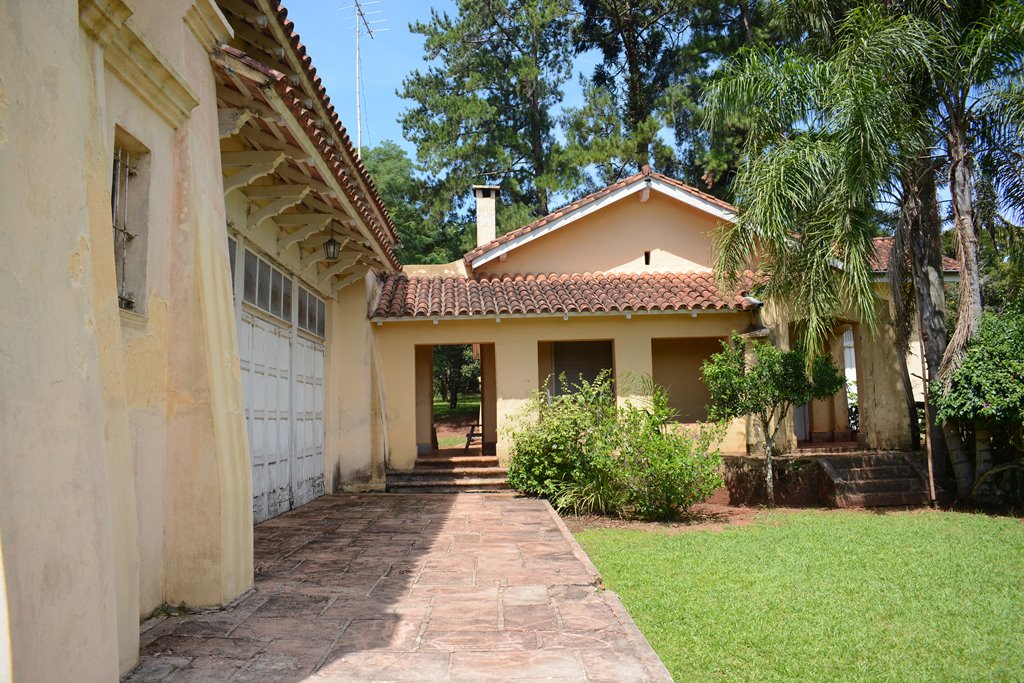
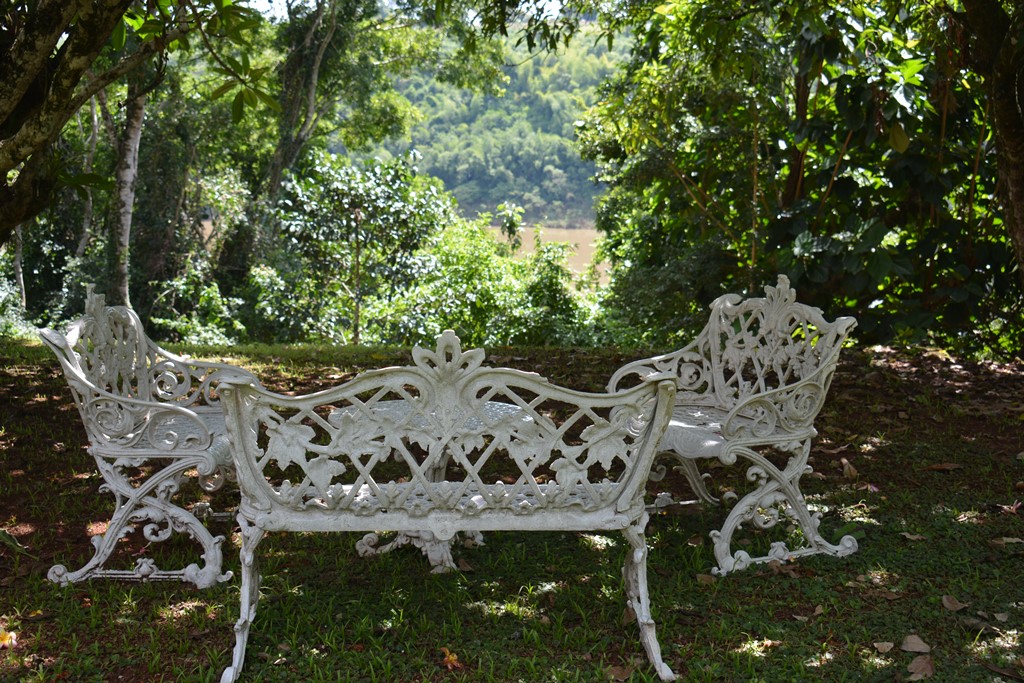
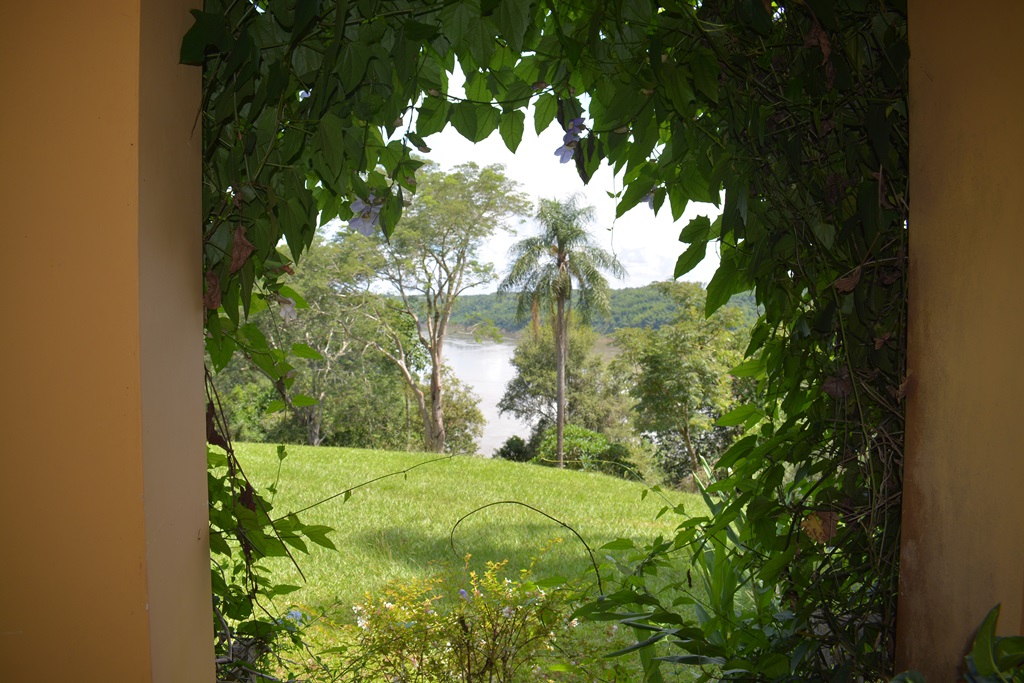
The quietness of the Misiones rainforest in the early afternoon is much more deafening in the Paraná riverside, where the rainforest extends beyond the horizon. The lookout points humble the onlookers further when they bear witness to their smallness amidst the green wilderness. Posada Puerto Bemberg is an oasis of relax and inspiration. The lodge and its surrounding area constitute a piece of history of Northern Misiones and one of the few remaining lands with preserved rainforest in a region surrounded by pine forestry. These are the distinctive secrets that make it a place to be seen: the more demanding tourists will be able to feel the caress of the rainforest and the incessant flow of the Paraná River, while enjoying high quality services akin to a first-class hotel. Additionally, the lookout point allows one to gaze at the infinity of the rainforest and the perennial calm of the Paraná River.
Juan Manuel Zorraquin is an heir of the Bemberg family which settled and owned the area during the early 20th century. He is looking to recover that pioneer’s mindset but with a different approach: sustainable tourism as a way to contribute to the economy, especially through creation of job opportunities. He loves discussing the history of the place, which he got to know as a child during a family escapade and, now as an adult, was able to keep due to a million-dollar purchase-sell transaction. The Bemberg family brought modernization to the land where they founded Safac, a yerba mate business that provided electric power, running water and electromagnetic telephones. Nowadays, yerba mate has mostly been replaced by pines in the area.
Since 1925, the Bemberg family has played a key role in the history of Puerto Libertad and other neighboring towns: In the year 2000, the Safac firm was sold to Argentinian business group Pérez Companc and to Alto Paraná de Chile (now called Arauco), which took over 1249 and 4320 hectares of land respectively. Then, Alto Paraná acquired the percentage own by the Argentinian family holding and the Bemberg emporium was reduced to a reserve of 400 hectares, where the lodge was located and later recovered, thus, becoming an opportunity for rainforest lodge tourism in close proximity to the Iguazú Falls.
Posada Puerto Bemberg.Posada Puerto Bemberg.
There are numerous activities for visitors to do during their stay such as rainforest trail hiking; bird and autochthonous fauna watching; visiting natural waterfalls; sailing in the Paraná River and going on mountain bike excursions to visit the amethyst and gemstone mines. One of the main attractions is the plant nursery which, thanks to its wide variety of native species, is considered to be the most important one in Misiones. Moreover, it is an essential part of the native species reforestation project and invites guests to contribute to it by planting a new tree within the reserve. Additionally, and to liven up the visitor’s stay, Posada Puerto Bemberg offers a number of rooms and areas that fuse seamlessly with the surrounding rainforest, such as the Lookout Point, the Pool, the Bemberg Residence, the Chapel and the Museum.
Posada Puerto Bemberg is a rainforest inn with 14 rooms to accommodate 30 people in total and an intact history since 1924, offering full board accommodation including activities or, alternatively, half-board accommodation. One of the goals of Zorraquin is to include the lodge in the Puerto Iguazú Circuit. He is fine-tuning some details in association with Cuenca del Plata, which should provide him with a substantial increase of visitors to drum up his business. Zorraquin is convinced that tourism must become sustainable and that things must change from “preserving the rainforest” to promoting the rainforest as a trademark all around the province and not exclusively around the Falls.
Zorraquin, a 39-year-old businessman, is one of the most committed with tourism. He claims “I think there are great opportunities of sustainable tourism for Misiones. It is important that we seek the possibility of translating that into concrete activities and guidelines so that more businesses can flourish because there aren’t that many nowadays. Besides, the ones that do engage in these kinds of activities do so because of philosophical convictions, not because of profit. We need to leave behind the altruism of people, associates and landowners; there has to be a major incentive, something beyond market demands.” Zorraquin warns the offer volume is not yet profitable for aiming at international markets. On the other hand, he considers the possibility of aiming at national markets more adequate.
Posada Puerto Bemberg.Posada Puerto Bemberg.
He explains that “It is a market with certain principles and inclinations towards environmental and social issues, in other words, it has a character of its own. This can be observed when foreigners visit Argentina and can define what accommodation they choose or what agency they hire to organize the trip. This doesn’t happen in Argentina yet, because people choose depending on the price. People consider the price in addition to the regular services that the business may offer. That is how the Argentinian market works today…
Can businesses change that mindset?
Yes, I believe so. That is how it works, businesses decide what to sell. The thing with tourism is that people buy only what is offered to them. The business offers products and services, but the decision of what to buy ultimately lies on the guest or tourist. There are of course different trends that come into play as well, such as major travel agencies, wholesalers, business operators. Nowadays, internet is another major factor. These two variables are the main ones that are taken into account since they are considered to be effective and largely influential.
But should Misiones markets focus on a new paradigm beyond Iguazú?
I do believe there are opportunities in there. If you tell me ‘What are these opportunities?’ Let me tell you I just arrived from El Soberbio and we rack our brains trying to come up with ways to improve the business because that is the crux of the matter: how can we improve the destination in order to compete with another, like Iguazú, or make it a complementary destination. We need to take inspiration from international destinations: Costa Rica, Africa, Southeastern Asia. That’s how you can make a difference.
What is it lacking?
Firstly, a better commitment towards entrepreneurship in the sense of increasing education on the importance of sustainability. This concept is usually understood as an environmental notion related to energy efficiency, waste and water usage. Of course, it includes some of that, but in reality, it goes beyond that: it means having legally registered employees, generating community commitments, ensuring that profit benefits these communities. Thus, there is a lack of education. What is more, there is lack of incentives from the state, whose job should be encouraging businesses to engage in this activity: ‘Why will you do it?’, ‘How much profit can you get from it?’ None, at least not in this current state of things. I believe a halfway standpoint is the way to go. There will be legislation at some point, certain standards that will have to be duly met. We’re halfway there, but I think it will happen in ten years’ time. However, in order to reach that point and not to fall behind (because Argentina has fallen behind and Misiones is barely starting), and though we have already kicked off, I think incentives from the state would be ideal.
But the state is always promoting tourism…
No, it has to go deeper than that. It feels as if there is a disconnection between the state and private entities. I mean, they never consult businesses about how they want their products to be promoted; it is more like: ‘I’m doing this, are you in or are you out?’ I think the fault lies in that. There is quite a lot of synergy, since much about sustainability was first promoted by the state when it brought the concept to the negotiation table thanks to the creation of the Secretariat of Ecotourism. That was just the first step. But this has to be something massive, in different areas and destinations around the province. It is unacceptable that environmental practices only take place in Iguazú and not in the rest of the province, although there are two qualified hotels in El Soberbio and one in Salto Encantado. However, and aside from those, businesses lack proper training and support. There is not enough qualification because everyone thinks tourism is simple, like just building rooms or driving an own taxi. That view is misguided because tourism is not that simple. It is a science; it has many issues that have to be solved, furthermore, it is complex because of the need to understand the market, which changes constantly. A big deal of efficiency, conciseness and consistency is required in order to reach international markets, and that is not so simple. The Falls do attract a big deal of tourists, but…
Juan Manuel Zorraquin, CEO de Puerto Bemberg.
I was talking to another businessman, and he told me that Puerto Iguazú was bursting with people during Carnival weekend, but that tourism is not doing so well, why the contradiction?
What happens is that you are receiving an incredibly large amount of guests, but none of them are returning and their stay is a short one, thus, your profit volume could be larger and stronger and really impact the whole province, but that is not happening here. So, there is an error in the system because this issue has been discussed for thirty years and it still goes unsolved. If Iguazú is inclusive and offers tourists different experiences, and if some of them include the concept of rainforest for example (which is nowhere to be found in Iguazú) that could spiral into a larger development in Moconá, Salto Encantado. The San Ignacio Reductions connection with the Guaraní and the relation between the Guaraní and the Jesuits and their relationship with the yerba mate, hence, the Yerba Mate Route also represent a staple of the province which is non-existent in terms of tourism. A sort of domino effect could be generated in Iguazú, as the main international destination, which could then ‘drag’ tourists into a developed internal route throughout the province, not to mention the Iberá wetlands. Misiones counts with an untouched, unique natural resource. Nowadays, there are not even land connections whose 800-dollar construction costs are impossible to afford. These are the potential effects that are not taking place in the Iguazú destination. The casino is the only thing being promoted with its own advertising, and the Duty Free Shop or larger and stronger companies that have enough power to afford it.
How are things in terms of infrastructure?
Routes 40 and 41 in the Iberá Wetlands are finally being graveled. It has been an issue for at least fifteen years, and I think that will help a bit because the routes were impassable. You cannot expect to sell a product that cannot be reached by anyone. It would be a great opportunity for Posadas, but we need to focus on what type of clients do these services attract, what profiles can be identified and what is being offered. I say this because the hotel sector in Posadas is barely developed: Maiteí has improved a bit, but hasn’t yield significant results so far, and Julio César could well use some modernizing. To put it briefly, we are in no condition to receive more tourists. So, how to bake a bigger cake? It would affect the whole province and it is something businesses in Iguazú never stop thinking about. When discussing tourism, Iguazú is always the only destination, not Posadas. That is the reality; Iguazú plays the central role in Misiones tourism. The issue has always been that businesses that are not in Iguazú don’t receive as many tourists as those in that destination, i.e., like a sort of threshold. While the National Park’s income has been growing every year, it is simply the result of Argentina’s population growth. I don’t think there is an exponential increase yielding genuine results. There was a significant change in 2002 and 2003 with the exchange rate and all of that, yes. The Seven Natural Wonders thing also helped, but that was not thanks to businesses. I see nothing new, not a single new product, and I have been living here for nine years. There are no rainforest activities, nothing at all.
How do you feel about the arrival of new competitors such as the Chilean business Awasi and Ali Alwardy to Meliá?
They are two very different products, and that is something I support because Puerto Bemberg is a small business, with a lodge concept that differs from other hotels and I think it is beneficial because it will help us compete a bit better with the arrival of Meliá, and compete a bit better with the Falls. There are two ideas and Argentina will be seen in a new way thanks to the advertising they do around the world. So, by default, the system will look for Meliá, which is located in Argentina, and there are certain tourist profiles that will be looking for that and other related services. There will be a domino effect, in my opinion, but with a more indirect impact. On the other hand, I celebrate the arrival of Awasi, truly remarkable, because they have been present in all the right fairs and will put the destination back into the menu, they will do everything they can to sell. Around 95.99% of agencies do not promote Awasi because their client profile is not quite what they look for, but anyone interested in Awasi will also be interested in other related products. That is where the benefit for other businesses and products lies, both for businesses around the 600 neighboring hectares or in the interior of the province, like in Moconá.
Should everyone stop thinking at a small-scale, that is, only about their own businesses?
Everyone should think jointly, as a single destination, that is the issue with businesses today. They must position their brand considering current sustainability issues and changes that are taking place. Businesses will end up going broke if they go about selling in the traditional way. Sustainability ensures stability, there could also be some management factor involved if it works for them, but not that much. Moreover, the client profiles have a higher purchasing power, and not only do they decide based on prices, but on business practices, their relationship with the community and the experiences they provide. People come to hotels looking for an experience, therefore, hotels must be first-class, the same is for gastronomy because those two factors constitute the indisputable baseline. However, there are additional aspects that must be considered: the relation between businesses and guests, the rainforest and cultural experiences as well as local gastronomy experiences, that is what matters in the end. All products must be promoted as sustainable.
And Misiones must be the product…
It has to be Misiones. Puerto Iguazú is the destination today, and the absolute absence of tourism in Puerto Libertad, 40 kilometers away from Iguazú It is ludicrous that there are no local businesses interested in developing tourism, and no local government has ever had a firm grasp on the concept of tourism. Likewise, no one has ever looked beyond the triangle of the Puerto Iguazú Airport, and the Foz do Iguaçu Airport. There are thousands of awe-inspiring destinations around the province that could allow Misiones to become a global destination. There are the Jesuit Reductions, farmhouses around the Moconá Falls, the Yerba Mate Route, hidden waterfalls everywhere, and the Iguazú Falls. In this way, when going on a five-day trip, the destination chosen could be connected to the Iberá Wetlands for ten additional days. It would be an alternative to more traditional destinations like Buenos Aires, Salta, Mendoza or Iguazú; maybe the new tendency could be Buenos Aires, Corrientes and Misiones. The circuit could include nature, culture; there is a very rich culture in Misiones, and it is all connected to sustainability. It is incompatible to talk about cultural and social issues yet offer experiences in the traditional way. There are some businesses genuinely taking action, hotels as well. However, many others cannot see the benefits, are not interested or do not deem it profitable today since there is not enough income involved, nonetheless, that does bring other economic benefits. I think that is the solution for the province.
You talked about education, how are things on that end?
Well, I am directly involved in that area. For example, I’ve closely followed the Tour Guide training of the ITEC in Iguazú, and there is no qualification regarding sustainability, not a single subject about the issue. This global concept is a requirement; as an example, waste management practices will be necessary at some point, people just don’t see that because we have plentiful of space. But this is true not only for environmental issues, but for social issues as well since tourism can be depleted and can run out in Iguazú. There was a rather large period without tourism, then a large tourism wave came swept the region and now things have been thriving for fifteen years. However, this resource eventually runs out, so businesses either reinvent themselves or risk tourism disappearing completely. For instance, the main avenue of Puerto Iguazú is gorgeous, but visiting the rest of the city is a life-threatening experience that must never happen. It is not well organized, and it is something that must be dealt with in a near future. I believe there is an opportunity to market Misiones as a product about nature and developing products related to nature and culture and Iguazú should be the icing of the cake, the main attraction.
What you are saying about depleting tourism is concerning…
There was no diversification into new markets, businesses stopped selling, insecurity is starting to take hold… During a crisis, tourism comes to a complete halt. As a leisure activity, it is the first thing people stop spending money on when they lose purchasing power. A crisis impacts travel and tourism very hard. Similarly, there are insecurity issues caused by mismanagement as well as waste disposal issues, garbage filling the streets which people can bear no longer, national tourists stop coming, and finally, low peaks may be experienced. Some businesses always do well, but that causes others to go out of business, which at the same time leave people without jobs and a whole social issue starts.
In other words, businesses within the 600 hectares can do well…
There are around 20 hotels, then there are formal businesses like hostal lodgings and cabins, though 70% of businesses in Iguazú are informal in nature. That issue is also related to sustainability. Sustainability is directly linked with economic issues related to complying with local regulations, having reported employees, complying with contributions, rules; it is not just about the environment, there are hundreds of other issues as well. Sustainability is not possible if your employees are not in the payroll, or without adhering to regulations or without proper business permits.
Are business costs in Argentina high?
Much too high. The same employee, with the same qualification and years of service costs 1500 dollars in Argentina and 970 in Brazil. It amounts to 500 additional dollars in fixed labor costs. For every dollar that an employee, a collaborator, receives, the state takes 0.54 cents as union costs and other who-knows-what. For every dollar, 54 cents are paid to someone else.
So, salaries are not even that high, hidden costs are the actual problem…
No, salaries are alright, but it forces businesses to adjust their increasingly narrow net profit margin. Since our tariff is in dollars, any increase in the exchange rate is beneficial, but due to inflation rates and increasing salaries, there is no increase in profits, thus, it is a bonanza that lasts a single month, it is not real. In addition, the exchange rate has always been falling behind for years, so labor costs are very high. It would be ideal to be able to pay higher salaries. All of this is the result of an increasingly progressive Argentina that rightfully tries to “protect” but that ends up limiting the scope of businesses. Then there is Brazil over there which has 1600 rooms and Argentina does not. Brazilian businesses may make less profit, but can afford more because goods and services are less expensive, and social charges hover around 12% compared to 70% in Argentina. There are fourteen rooms in Puerto Bemberg that are ready to welcome the more demanding tourists who know how to appreciate nature. The lodge is managed by 18 local young people that live in Puerto Libertad.
What is the origin of your passion for what you do?
I am a professional lawyer, but I then specialized in environmental issues. I’ve always been interested in nature. Not sure when it started though, in the Corrientes countryside perhaps, but I have always had a special bond with nature.
And you have a political commitment as well…
I ran for major once and I will probably do it again in the next elections because I think Libertad deserves and needs real development, it needs to create new jobs and I am thoroughly involved in social assistance activities. I help by cooperating and participating in different foundations. We work as a team, we are a team and we are committed to this cause and we want to carry it out. The Libertad community is quite modest, with low incomes. I find that to be strange, but I think it is because of the way the town was developed. There were always providers like Safac, Pérez Companc, Alto Paraná; a sole company that provided most of the jobs and that provided the town with everything. That changed with Arauco, mostly for worse, because it had a very different business model. Then the municipality stepped in to satisfy those needs, so the private sector in Libertad is very small. Alto Paraná caused some social dislocation because they trained engineers in Puerto Esperanza, opened production plants and forestry managements in Wanda, but they trained machine and chainsaw operators in Libertad. So, when you go to Esperanza or Wanda, some of the people that used to work for Alto Paraná became freelancers and created their own jobs. This did not happen in Libertad. The town needs to change for good. I would like the town to develop into a sort of Tourism Village, similar to Bariloche and Villa la Angostura or Pinamar and Cariló, nothing too fancy, but with an idiosyncrasy of its own; a town that takes advantage, values and prints its own mark on something that is lacking in Iguazú. Contributing to tourism means contributing to everything: rising land values, decreasing the overcrowding in Iguazú. In this way, everything contributes to a general development, and I believe the municipality is the best place to start.
…………………………………..
Traductor: José Roa
Revisor: Griselda Seewald
Tecnicatura Universitaria en Traducción e Interpretación en Inglés
La cadena de glampings Prístine Camps creada bajo un modelo de economía circular, avanza con su llegada a la tierra colorada. Representantes del proyecto se reunieron con el ministro de Turismo de Misiones, José María Arrúa, y recorrieron las instalaciones de la reserva Bemberg, donde desembarcará este nuevo concepto para la provincia en cuanto a experiencias de alojamiento en la selva. Tal como anticipó Economis, se trata de una propuesta de turismo VIP, que tendrá un fuerte impacto en la economía local.
La firma pretende abordar a la actividad turística como una experiencia donde se priorice la cultura, el capital humano, el paisaje prístino y el servicio de primera categoría aplicado a un concepto de excelencia y de lujo.
A su vez, los empresarios están creando una fundación que va a operar un Hotel Escuela en el municipio; un proyecto ambicioso que busca vincularse con otros centros educativos no solo nacionales sino también internacionales.
De esta manera, articulando esfuerzos y acciones entre el sector público y el privado, podrán entrenar jóvenes profesionales que puedan salir con prácticas y listos para insertarse en el mundo laboral.
Es por eso que encuentra en Misiones y en su biodiversidad un espacio ideal para aplicar su construcción de triple impacto, donde no sólo se persiguen fines financieros sino también propósitos sociales y un impacto ambiental positivo en las comunidades locales.
“Este tipo de conceptos coinciden con la impronta de nuestro turismo y con la identidad de nuestra provincia de ser protectora de nuestra biodiversidad, ofreciendo a quien nos visite una estadía de confort y segura en medio de la selva”, sostuvo Arrúa.